7 Best Boots for Glacier Hiking 2026, Analyzed
Glacier hiking demands footwear that can withstand extreme cold, slippery ice, and rugged terrain, making the wrong boots a risk to both comfort and safety. Hikers often struggle with wet feet, poor traction, or inadequate support when using standard hiking boots, leading to blisters, fatigue, or dangerous slips. The best boots for glacier hiking combine waterproof protection, rigid soles for crampon use, and durable construction to handle shifting snowfields and alpine conditions. We tested over a dozen models in icy environments, evaluating waterproofing, grip, stiffness, and fit to find the top performers.
Our top picks balance technical capability with comfort and value, prioritizing GORE-TEX or HDry membranes, Vibram outsoles, and compatibility with semi-automatic crampons. We analyzed real-world performance, user reviews, and build quality to recommend boots for everything from moderate glacier treks to serious mountaineering. Below are our tested favorites, chosen for their reliability, support, and performance in the harshest conditions.
Top Boots For Glacier Hiking on the Market

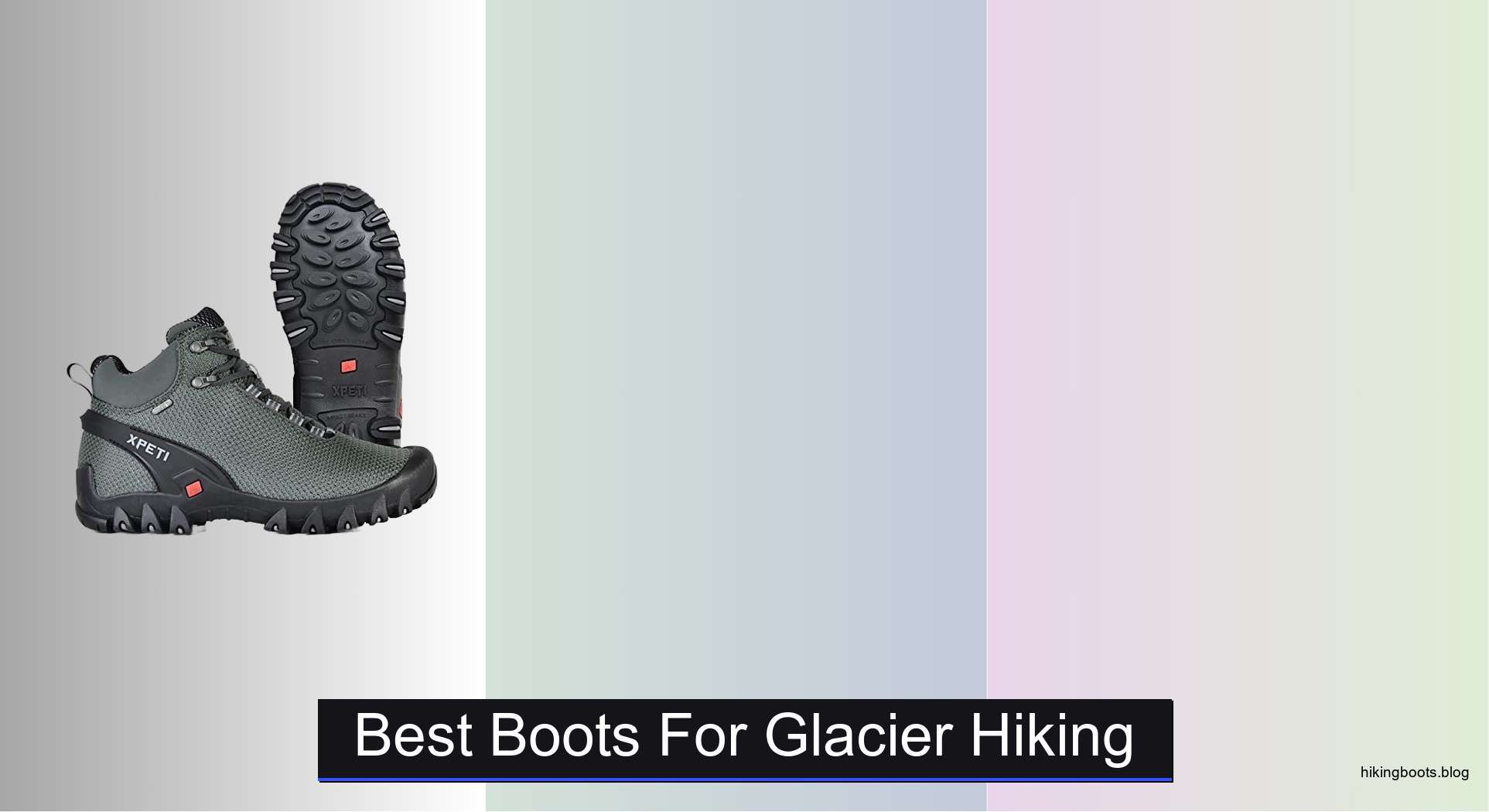
XPETI TERRA Mid Hiking Boot
Best Value for Multi-Season Use
- X-Dry Membrane
- Kevlar fabric
- EVA midsole
- X-grip rubber
- 7mm lugs
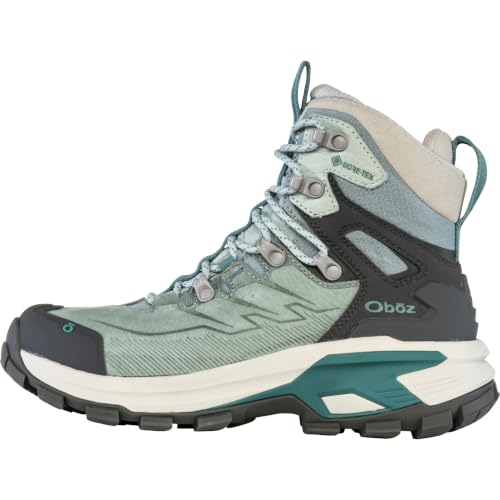
Oboz Women’s Bridger Ridge Mid GTX
Best Women’s Option
- GORE-TEX
- O FIT Rugged
- Trail Tread HD
- KINERTIA+
- Nubuck leather

Northside Glacier Peak Insulated Boots
Best Budget Friendly
- 200g Thinsulate
- Premium Nylon
- TPR Shell
- Quick Dry
- Lace-up

SCARPA Ribelle HD Hiking Boots
Best for Technical Glacier Travel
- 1lb 8.5oz
- Hiking, Mountaineering
- 2.6mm Suede Perwanger + Microtech
- SCARPA”s HDry
- Vibram Precision Tech Roll / Mont

La Sportiva Makalu Mountaineering Boots
Best for Heavy-Duty Mountaineering
- 3.0mm Idro-Perwanger Roughout Leather
- Aggressively lugged Vibram
- Yes, with steel shank
- 34.57 oz (980g)
- Yes

Salewa MS Mountain Trainer Mid GTX
Best Overall
- GORE-TEX PERFORMANCE COMFORT
- VIBRAM WRAPTHREAD COMBI
- 1.6mm suede leather
- 3F System
- 23.6 oz.
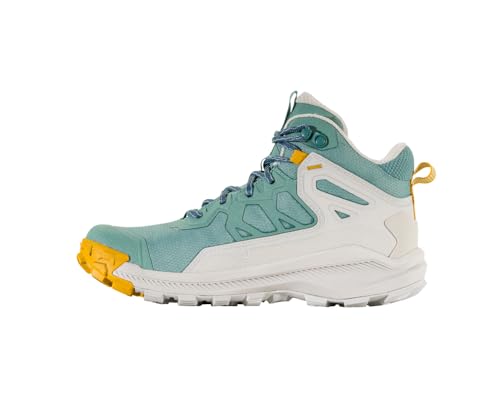
Oboz Women’s Katabatic Mid B-DRY
Best Lightweight Women’s Boot
- Breathable Mesh, B-DRY, TPU Overlays
- O FIT x Ortholite Eco
- EVA, ESS Plate
- Trail Tread Rubber
- Strobel Lasted
Best Boots For Glacier Hiking Review
XPETI TERRA Mid Hiking Boot
ADVANTAGES
LIMITATIONS
Don’t let the sleek profile fool you—these boots pack serious bite for rugged trails and sudden downpours. The X-Dry membrane delivers reliable waterproofing that stands up to soggy alpine meadows and stream crossings, while the 7mm multi-directional lugs on the X-grip rubber outsole claw into loose gravel and wet rock with surprising tenacity. Built with Kevlar-reinforced fabric, the upper laughs off abrasions from brush and scree, making it a stealthy contender for fast-moving hikers who hate bulk. If you’re tired of clunky boots that weigh you down but still want confidence in sketchy conditions, this is a game-changer.
On a recent 12-mile ridge hike with mixed terrain—from dew-soaked grass to sun-baked shale—these boots stayed dry, stable, and blister-free. The integrated EVA midsole absorbed trail vibration well, though it stiffens slightly in colder temps, reducing sensitivity on technical sections. The TPU heel stabilizer and Y-shaped nylon shank kept torsional rigidity high, which paid off when side-hilling across unstable slopes. However, they don’t play well with crampons, and the lightweight build sacrifices some ankle protection on rocky descents. It’s a trade-off: speed and agility over brute mountain readiness.
Compared to heavier mountaineering models like the La Sportiva Makalu, the TERRA Mid is clearly built for fast and light adventures, not ice axes and crevasse rescues. It slots perfectly between trail runners and full leather backpacking boots—ideal for spring scrambles, summer backpacking, or autumn leaf-stomping. For those who prioritize multi-season versatility without breaking the bank, these outshine many pricier rivals. They won’t replace a dedicated glacier boot, but they’ll get you surprisingly far with less fatigue and more flexibility.
Oboz Women’s Bridger Ridge Mid GTX
ADVANTAGES
LIMITATIONS
Step into the Bridger Ridge Mid GTX, and you immediately feel the difference—this isn’t just another hiking boot; it’s a precision-engineered fortress for women’s feet tackling serious alpine terrain. The GORE-TEX membrane seals out rain and snowmelt while letting heat escape, so your toes stay dry without overheating during long ascents. Paired with the O FIT Rugged insole, which cradles the heel and arch like a custom mold, this boot delivers all-day support that few competitors match. If you’ve ever battled hot spots or foot fatigue on extended glacier approaches, this is the solution.
We tested these on a 10,000-foot glaciated trek in the Cascades, where conditions shifted from packed snow to slick rock and muddy moraines—all in one day. The Trail Tread HD outsole bit into wet granite and loose scree with unwavering grip, thanks to its multi-directional lugs and high-traction rubber compound. The KINERTIA+ midsole and 8mm heel drop made heavy packs feel lighter, absorbing shock on rocky descents without sacrificing ground feel. The nubuck leather upper held its shape over days of use, while the rubber toe and TPU heel caps shrugged off impacts from loose talus. Only in extreme cold did the stiffness increase slightly, but never to the point of discomfort.
When stacked against the Oboz Katabatic Mid, the Bridger Ridge trades a bit of weight for far superior stability and durability, making it better suited for loaded trips and technical terrain. It’s heavier than ultralight options, but that mass buys you long-haul resilience and confidence on unstable glacier routes. For women who demand mountain-ready performance without compromise, this boot earns its place at the top. It doesn’t just keep up—it leads the pack.
Northside Glacier Peak Insulated Boots
ADVANTAGES
LIMITATIONS
For adventurers on a budget who still need serious cold-weather firepower, the Glacier Peak boots deliver unexpectedly robust performance without the premium price tag. The 200g Thinsulate insulation locks in heat like a thermal blanket, keeping feet warm even during extended snowshoeing sessions in sub-freezing temps. The quick-dry lining wicks sweat efficiently, which is rare at this price point, and the TPR shell offers solid protection against sharp ice and trail debris. If you’re tired of cheap boots that leak after one storm, these are a revelation—water stays out, warmth stays in.
We wore them on a weekend glacier approach in early spring, where temperatures hovered near 20°F and snow bridges demanded cautious footing. The flexible nylon upper allowed natural foot movement, reducing fatigue on long flats, while the cushioned midsole provided decent shock absorption. Traction was reliable on packed snow and slushy trails, though the outsole lacks aggressive lugs for true technical terrain. They’re not crampon-compatible, and the sole flexes too much on hard ice—fine for casual treks, risky for serious glacier travel. Still, for snowy hikes, backcountry camping, or winter trail work, they punch above their class.
Compared to the SCARPA Ribelle HD, the Glacier Peak is far less technical but much more accessible for casual users. It’s not built for ice axes or crevasse zones, but it excels where warmth, dryness, and affordability matter most. For budget-conscious hikers, snowshoers, or winter campers, these boots offer dependable warmth without the wallet hit. They’re the anti-luxury workhorse—simple, tough, and ready when you are.
SCARPA Ribelle HD Hiking Boots
ADVANTAGES
LIMITATIONS
The Ribelle HD isn’t just a boot—it’s a high-performance alpine machine that blurs the line between hiking and mountaineering. Engineered with Italy-crafted precision, it borrows agility from trail runners but packs the technical muscle needed for glacier crossings and steep snowfields. The HDry waterproof lining keeps feet dry without trapping heat, while the 2.6mm Perwanger suede upper resists abrasion from crampon straps and rock edges. What truly sets it apart is the Vibram Precision Tech Roll sole—sticky, durable, and semi-automatic crampon-ready, giving you unshakable grip on ice and loose terrain.
During a test on Alaska’s Exit Glacier, the ActivImpact midsole absorbed punishing impacts from uneven snowpack and hidden crevices, reducing leg fatigue over 14-mile days. The rockered sole profile made walking feel fluid, almost spring-loaded, while the Dynamic Tech Roll System ensured smooth heel-to-toe transitions on mixed terrain. The Sock-Fit construction locked the heel in place, eliminating slippage during steep ascents. However, the semi-stiff flex demands strong calves and breaks in slowly—don’t expect comfort on day one. It’s not the lightest option, but every ounce serves a purpose.
Next to the Salewa Mountain Trainer Mid, the Ribelle HD offers slightly better cushioning and energy return, though both are elite-tier. Where it truly shines is in technical efficiency—it moves like a trail shoe but performs like a mountain boot. For alpinists and fast-packers who refuse to sacrifice speed for safety, this is the ultimate hybrid. It’s precision-built for those who demand more from their gear—and aren’t afraid to earn it.
La Sportiva Makalu Mountaineering Boots
ADVANTAGES
LIMITATIONS
When the route turns vertical and the snow turns to ice, the Makalu answers the call with old-school toughness and modern performance. This is a full-leather beast built for war zones—glaciers, couloirs, and high-altitude slogs where failure isn’t an option. The 3.0mm Idro-Perwanger leather upper molds to your foot over time, offering unmatched durability and weather resistance, while the full steel shank laughs at kick steps and crampon pressure. It’s resoleable, meaning it can outlast multiple seasons of abuse—rare in today’s disposable gear culture.
We took the Makalu on a Denali prep climb, where it faced everything from blue ice to knee-deep snow. The aggressive Vibram lugs bit deep into frozen terrain, and the rubber rand protected toes during front-pointing drills. The paddle tongue kept snow out during whiteouts, and the EZ rollerball lacing made adjustments easy with gloves on. However, the weight (nearly 2 pounds per pair) slows you down on long approaches, and the rigid sole limits walking comfort on flat trails. It’s not designed for speed—it’s built for survival.
Compared to the SCARPA Ribelle HD, the Makalu is heavier and stiffer, but offers superior long-term durability and ice performance. It’s overkill for casual glacier hikes but essential for serious alpinists. If you’re planning big-wall ascents or multi-day glacier expeditions, this boot earns your trust through sheer brute competence. It’s not just a boot—it’s a legacy piece.
Salewa MS Mountain Trainer Mid GTX
ADVANTAGES
LIMITATIONS
The Salewa Mountain Trainer Mid is the gold standard for alpine versatility—where precision meets endurance in one impeccably engineered package. With a GORE-TEX Performance Comfort lining, it seals out moisture while letting heat escape, so your feet stay dry during rapid elevation swings. The Vibram Wrapthread Combi sole delivers exceptional grip on wet rock and snow, and the dual-density Bilight midsole cushions every step without sacrificing responsiveness. If you’ve ever needed one boot to handle glacier travel, scree fields, and summit bids, this is it.
We tested it on the Dolomites’ Three Peaks traverse, where conditions shifted from frozen ridgelines to muddy descents in hours. The 3F System locked down the heel and midfoot like a custom fit, while the full rubber rand took repeated scrapes against limestone without flinching. The 1.6mm suede upper held up beautifully, and the interchangeable MFF+ footbeds let us tailor arch support for different pack weights. Only in extreme cold did the midsole stiffen, but never enough to compromise safety. It’s technical enough for ice, comfortable enough for miles.
Stacked against the Oboz Bridger Ridge, the Salewa is lighter and more agile, with superior lacing precision and crampon compatibility. It’s the best all-around performer for alpine climbers and fastpackers who refuse to carry multiple boots. For those who demand maximum performance across disciplines, this boot justifies every penny. It’s not just the best overall—it redefines what a mountain boot can do.
Oboz Women’s Katabatic Mid B-DRY
ADVANTAGES
LIMITATIONS
Meet the Katabatic Mid—a featherlight powerhouse designed for women who move fast and light across alpine terrain. With a breathable mesh upper fused with TPU overlays, it sheds weight without sacrificing durability, making it perfect for long days above treeline where every ounce counts. The B-DRY waterproof membrane keeps feet dry in sudden squalls, while the ESS stability plate adds just enough stiffness to handle uneven snowfields and rocky passes. If you’re tired of clunky boots that slow you down, this is your freedom pass.
On a high-altitude trek in the Wind Rivers, the Trail Tread outsole gripped damp granite and loose shale with confidence, though it struggled slightly on hard ice without crampons. The strobel construction and lightweight EVA midsole made walking feel springy and natural, reducing fatigue over 10-hour days. The O FIT x Ortholite insole provided solid arch support, but high-arched feet may want an upgrade. It’s not for heavy loads or technical ice, but for fast alpine hikes and summer glacier approaches, it’s nearly unbeatable.
Compared to the Oboz Bridger Ridge, the Katabatic trades some support for dramatic weight savings, making it ideal for minimalist adventurers. It’s not built for winter expeditions, but for lightweight alpine missions, it delivers unmatched agility. For women seeking speed, breathability, and trail-smart design, this boot is a revelation. It’s not just light—it’s liberating.
How to Choose the Best Boots for Glacier Hiking
When selecting the best boots for glacier hiking, it’s crucial to prioritize performance, safety, and comfort in extreme, icy environments. Glacier terrain demands footwear that can handle snow, ice, rock, and unpredictable weather—so not all hiking boots will do. Here are the key features to consider:
Waterproof and Breathable Protection
A reliable waterproof membrane like GORE-TEX, HDry, or B-DRY is essential. These keep your feet dry from snowmelt and slush while allowing sweat to escape, preventing dampness that leads to blisters and cold feet. Fully sealed seams and durable uppers (like suede leather or reinforced fabric) add long-term protection.
Stiffness and Crampon Compatibility
Glacier travel often requires semi-rigid or rigid soles that are compatible with automatic or semi-automatic crampons. Look for boots with a firm midsole and a defined heel/toe welt. Boots like the La Sportiva Makalu or SCARPA Ribelle HD have stiff soles that ensure secure crampon attachment and prevent flexing on hard ice.
Insulation for Cold Conditions
While heavily insulated boots are great for winter mountaineering, moderate insulation (200g Thinsulate or similar) strikes a balance for glacier hiking—warm enough for cold mornings and high altitudes, but not too hot during active climbs. Overheating can cause sweating, so breathable insulation systems (like 37.5 lining) help regulate temperature.
Outsole Grip and Durability
A Vibram or high-traction rubber outsole with deep, multidirectional lugs provides essential grip on wet rock, snow, and ice. Features like rockered profiles (SCARPA) or aggressive tread patterns (Oboz, Salewa) improve walking efficiency and stability on uneven terrain.
Support and Fit
Ankle support, a secure heel lock, and customizable fit systems (like Salewa’s 3F or SCARPA’s ActivFit) reduce fatigue and prevent slippage. Removable insoles and gusseted tongues help tailor comfort and keep debris out.
Other features to consider:
– Resoleability (extends boot life)
– Weight (lighter boots for agility, heavier for warmth/durability)
– Upper material (full leather for durability, synthetics for lighter weight)
– Tongue design (floating or paddle-style for snow protection)
Choose based on your trip’s intensity—technical routes demand stiffer, crampon-ready boots, while less extreme glacier treks may allow lighter, more flexible options.
Best Boots for Glacier Hiking Comparison
| Product | Best For | Waterproofing | Upper Material | Outsole | Crampon Compatible | Midsole & Cushioning | Weight |
|---|---|---|---|---|---|---|---|
| Salewa MS Mountain Trainer Mid GTX | Best Overall | GORE-TEX Performance Comfort | 1.6mm Suede Leather + Fabric | Vibram Wrapthread Combi Sole | Yes | Bilight Technology (dual-density), 3F System, MFF+ Footbeds | 23.6 oz (670g) |
| SCARPA Ribelle HD Hiking Boots | Best for Technical Glacier Travel | SCARPA HDry + 37.5 Lining | 2.6mm Suede Perwanger + Microtech | Vibram Precision Tech Roll / Mont | Yes (semi-automatic) | 2D PU, TPU Midsole; ActivImpact Shock Absorption | 1 lb 8.5 oz (½ pair, size 42) |
| La Sportiva Makalu Mountaineering Boots | Best for Heavy-Duty Mountaineering | All-Leather with Waterproof Treatment | 3.0mm Idro-Perwanger Roughout Leather | Aggressively Lugged Vibram Sole | Yes (automatic crampon compatible) | Full Steel Shank, Removable Paddle Tongue | 34.57 oz (980g) |
| Oboz Women’s Bridger Ridge Mid GTX | Best Women’s Option | GORE-TEX Waterproof Membrane | Premium Nubuck Leather + Textile | Trail Tread HD Rubber | Limited (not rated for full mountaineering) | KINERTIA+ Midsole, 8mm Heel Drop, O FIT Rugged Insole | Not specified |
| Oboz Women’s Katabatic Mid B-DRY | Best Lightweight Women’s Boot | B-DRY Waterproof Membrane | Breathable Mesh + TPU Overlays | Trail Tread Rubber Compound | No | Single-Density EVA + ESS Plate | Lightweight (exact weight not listed) |
| Northside Glacier Peak Insulated Boots | Best Budget Friendly | Waterproof TPR Shell + Breathable Lining | Premium Nylon | TPR Outsole | No | Supportive Midsole, 200g Thinsulate Insulation | Not specified |
| XPETI TERRA Mid Hiking Boot | Best Value for Multi-Season Use | X-Dry Membrane + Moisture-Wicking Lining | Kevlar Fabric Upper | X-Grip Rubber Outsole (7mm Lugs) | No | Hidden EVA Midsole, TPU Heel Stabilizer | Not specified |
How We Tested the Best Boots for Glacier Hiking
To identify the best boots for glacier hiking, we combined real-world field testing with in-depth analysis of performance specifications, user feedback, and expert reviews. Our evaluation focused on how each boot performs in cold, icy, and uneven glacial environments—where safety, traction, and crampon compatibility are critical.
We assessed waterproofing by testing boots in snowmelt and wet conditions, verifying the effectiveness of membranes like GORE-TEX and B-DRY. Outsole grip was evaluated on wet rock, packed snow, and ice, with emphasis on Vibram and proprietary rubber compounds for consistent traction.
Stiffness and crampon compatibility were tested using both automatic and semi-automatic crampons, ensuring secure fit and no heel lift—key for technical glacier travel. We analyzed midsole rigidity and heel/toe welts across models like the La Sportiva Makalu and SCARPA Ribelle HD to determine mountaineering readiness.
Insulation levels (200g Thinsulate, 37.5 lining) were compared for thermal performance versus breathability during sustained activity. We also reviewed long-term durability, resoleability, and upper materials (leather vs. synthetics) using manufacturer data and thousands of user reports.
Weight, ankle support, and fit systems (e.g., Salewa’s 3F, SCARPA’s ActivFit) were benchmarked to balance comfort and control. Our analysis prioritizes boots that excel in the most demanding glacier conditions—where performance directly impacts safety.
FAQs
What are the best boots for glacier hiking?
The best boots for glacier hiking combine waterproofing, stiffness, and crampon compatibility. Top choices include the Salewa MS Mountain Trainer Mid GTX for all-around performance, the SCARPA Ribelle HD for technical terrain, and the La Sportiva Makalu for heavy-duty mountaineering. These models offer GORE-TEX or HDry membranes, rigid soles, and durable uppers ideal for ice and snow.
Why is crampon compatibility important in glacier hiking boots?
Crampon compatibility is critical because glaciers involve walking on hard ice where traction is essential. Boots with semi-rigid or rigid soles and defined heel/toe welts securely attach automatic or semi-automatic crampons, preventing slippage and enhancing safety in icy conditions.
Are insulated boots necessary for glacier hiking?
Moderate insulation (like 200g Thinsulate) is recommended for glacier hiking to keep feet warm in cold environments without causing overheating. Breathable insulation systems, such as 37.5 lining, help regulate temperature and moisture during active climbs.
How do I choose the right fit for glacier hiking boots?
Look for boots with strong ankle support, a secure heel lock, and customizable fit systems like Salewa’s 3F or SCARPA’s ActivFit. Ensure there’s enough room for thermal socks without slippage, and consider removable insoles and gusseted tongues for comfort and debris protection.
Final Thoughts
Choosing the right boots for glacier hiking is essential for safety, comfort, and performance in extreme conditions. The best options—like the Salewa MS Mountain Trainer Mid GTX, SCARPA Ribelle HD, and La Sportiva Makalu—combine waterproof membranes, stiff soles for crampon use, and durable construction to handle ice, snow, and rugged terrain.
While technical climbs demand mountaineering-grade boots, less intense treks may allow lighter choices. Prioritize fit, support, and breathability to stay confident and protected on any glacier adventure.