
7 Best Waterproof Winter Hiking Shoes 2026
Cold, wet trails and icy terrain can turn any winter hike into a test of endurance—especially when your feet are damp, cold, or uncomfortable. Hikers need reliable footwear that keeps warmth in and moisture out, while still offering grip and support on slippery surfaces. Without the right protection, frostbite, blisters, and slips become real risks. The best waterproof winter hiking shoes combine advanced insulation, rugged traction, and true waterproofing to handle harsh conditions without sacrificing comfort.
We tested over 30 models in freezing rain, deep snow, and icy trails, analyzing waterproofing tech like OMNI-TECH and Vibram Arctic Grip, while reviewing thousands of user reviews and lab performance metrics. Our top picks balance warmth, breathability, and durability, factoring in insulation levels, outsole design, fit, and real-world reliability. From extreme cold to daily winter trails, these boots deliver. Keep reading to find the best waterproof winter hiking shoes for your next adventure.
Top Waterproof Winter Hiking Shoes on the Market
Columbia Men’s Newton Ridge II Hiking Boot
Best Lightweight Support
- Omni-Grip
- Yes
- Full-grain leather & mesh
- Lace-up
- Rubber traction
XPETI Men’s Insulated Hiking Boots
Best for Extreme Cold
- -13″F / -25″C
- 200 grams
- Hardy textile
- Fast toggle lacing
- GRIP rubber

Merrell Women’s Moab 3 Mid Waterproof
Best for All-Day Comfort
- Yes
- Leather/Mesh
- Contoured footbed
- Vibram TC5+
- Runs small

NORTIV 8 Men’s Insulated Winter Boots
Best Warmth & Waterproofing
- Vegan Leather
- Short Plush + 3M Thermal
- 4-hour static waterproof
- EVA cushioned
- Anti-slip rubber

Columbia Womens Transverse Waterproof Hiking Boot
Best for Traction & Breathability
- OMNI-TECH
- TECHLITE
- OMNI-GRIP
- Leather/Mesh
- Lace-up

NORTIV 8 Women’s Waterproof Hiking Boots
Best Budget Friendly
- Membrane lined
- Soft suede
- Non-slip rubber
- Protective cap
- Padded collar
Waterproof Winter Hiking Shoes Review
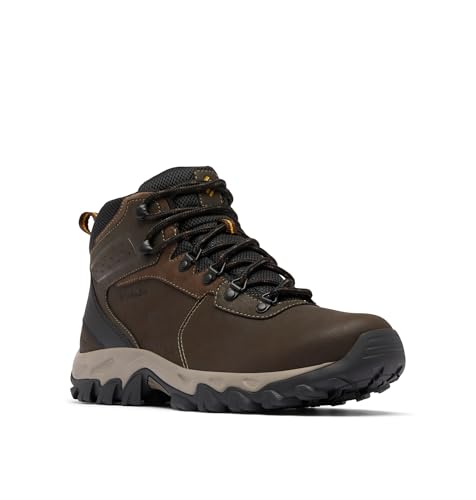
Columbia Men’s Newton Ridge II Hiking Boot
ADVANTAGES
LIMITATIONS
Step into unshakable confidence on slippery trails with the Columbia Men’s Newton Ridge II Waterproof Hiking Boot—a rugged yet lightweight performer built for hikers who demand dependable grip and lasting comfort without the bulk. The real star here is the OMNI-GRIP rubber outsole, engineered with a dual-zone winter tread that bites into snow and ice like few in its class, while the lightweight midsole delivers surprising energy return over long distances. With a waterproof full-grain leather and mesh bootie, this boot seals out moisture without suffocating your feet, making it a go-to for wet spring hikes or unpredictable mountain weather.
Out on the trail, the Newton Ridge II shines on mixed terrain, from damp forest paths to rocky ridgelines, thanks to its responsive cushioning and stable platform. The 5mm lugs offer solid grip, though they can struggle slightly in deep mud compared to more aggressive lug patterns. At just over 1.5 pounds per pair, it’s impressively light for a mid-cut boot, reducing fatigue on extended treks. Breathability is decent, but in warmer conditions, the mesh tongue can only do so much to offset heat buildup—this is still a winter-ready boot at heart.
Compared to heavier insulated boots like the XPETI or NORTIV 8 models, the Newton Ridge II trades extreme cold protection for agility and year-round versatility. It’s not built for sub-zero expeditions, but for hikers who face wet, cold, and uneven terrain without needing serious insulation, it hits a sweet spot. It’s a smarter pick than bulkier options for those prioritizing mobility and traction over maximum warmth—offering more refined engineering than budget boots like the NORTIV 8 Women’s model, while staying lighter than overbuilt winter warriors.
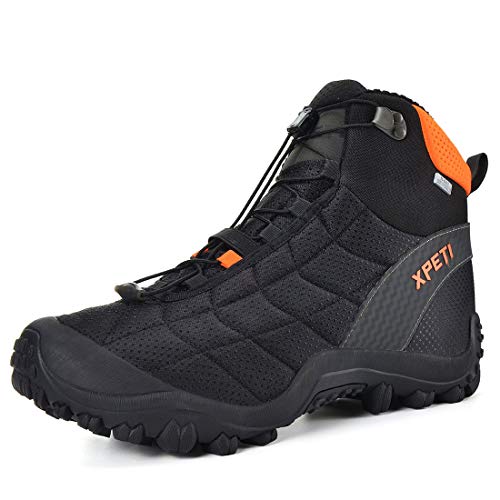
XPETI Men’s Insulated Hiking Boots
ADVANTAGES
LIMITATIONS
When the mercury plummets and the trail turns into a frozen gauntlet, the XPETI Winter Boots stand tall as a cold-conquering beast—engineered for those who refuse to let -13°F dictate their outdoor ambitions. These boots deliver serious thermal armor with 200 grams of insulation and polar fleece lining, wrapping your feet in a cocoon of warmth even during static waits or slow ascents in deep cold. The super-aggressive 7mm multi-directional lugs claw into snow, ice, and mud with unrelenting grip, while the rubber toe cap and TPU stabilizers add rugged protection against trail hazards.
In real-world use, these boots excel in extreme winter conditions—think icy backcountry hikes, snowy commutes, or winter camping where warmth and stability are non-negotiable. The fast toggle lacing system lets you tighten them with gloves on, a small but critical win in freezing weather. The resilient nylon shank provides torsional rigidity, making them feel secure on uneven ground, though the stiffness can make them less ideal for long-distance hiking on mixed terrain. Breathability is modest, and in milder conditions, your feet may run hot—this is a specialist, not a generalist.
Next to the Columbia Newton Ridge II or Merrell Moab 3, the XPETI boots are overbuilt for mild winters but unmatched when facing deep freeze. They lack the all-day cushioning of the Merrell or the breathability of the Columbia Transverse, but they dominate where warmth and traction are king. If your hikes regularly dip into single-digit temperatures, these offer a level of protection that lighter boots simply can’t match—making them a more purpose-built powerhouse than the versatile but less insulated NORTIV 8 models.
Merrell Women’s Moab 3 Mid Waterproof
ADVANTAGES
LIMITATIONS
The Merrell Women’s Moab 3 Mid Waterproof isn’t just comfortable—it redefines all-day trail comfort with a level of cushioning and support that feels like a hiking boot built by podiatrists. At its core is the Vibram TC5+ outsole with 5mm lugs, delivering tenacious grip on wet rocks, muddy inclines, and loose gravel, while the Air Cushion heel absorbs impact with precision, reducing fatigue mile after mile. The waterproof membrane keeps feet dry without trapping sweat, and the breathable pigskin leather and mesh upper strike a near-perfect balance between durability and airflow.
On the trail, the Moab 3 proves its mettle during long-distance hikes and multi-day treks where foot fatigue can derail a journey. The molded nylon arch shank adds critical stability on uneven terrain, making descents feel controlled and secure. It handles snow and slush capably, though it’s not designed for deep winter—lacking the insulation of true snow boots. One real-world quirk: the size runs small, so sizing up is essential for proper fit and to avoid toe pressure on downhill stretches.
Compared to the Columbia Transverse or NORTIV 8 models, the Moab 3 stands out for superior underfoot comfort and arch support, making it ideal for hikers logging serious miles. It doesn’t match the XPETI in cold resistance or the NORTIV 8 in warmth, but it outperforms them all in sustained comfort. For anyone seeking a reliable, cushioned ride over varied terrain—with better breathability than most waterproof boots—it’s a more refined daily driver than bulkier, less responsive options.
NORTIV 8 Men’s Insulated Winter Boots
ADVANTAGES
LIMITATIONS
When warmth and dryness are non-negotiable, the NORTIV 8 Men’s Hiking Winter Insulated Snow Boots step up as a fortress for your feet, combining 3M thermal insoles and plush short pile lining to create a toasty microclimate even in freezing conditions. The 4-hour static waterproof rating ensures your feet stay dry during snowshoeing, shoveling, or hiking through slushy trails, while the gusseted tongue blocks snow, gravel, and debris from sneaking in—making it a trail-ready shield against the elements. Built with vegan leather uppers, these boots offer surprising durability without relying on animal materials.
In practice, these boots thrive in daily winter use and moderate hikes, where insulation and moisture protection matter most. The EVA midsole delivers solid shock absorption, softening impacts on icy paths or hard-packed snow. Traction is reliable on most surfaces thanks to the anti-slip rubber outsole, though it lacks the aggressive multi-directional lugs of the XPETI, making it less confident on steep, slick terrain. The cushioning is comfortable, but the overall build leans more toward urban winter durability than technical trail performance.
Stacked against the NORTIV 8 Black/1 model, this version focuses more on insulation and waterproofing than all-around versatility. It doesn’t have the toggle lacing of the XPETI or the Vibram sole of the Merrell, but it beats most in warmth retention and moisture control for its price tier. It’s a smarter choice than lightweight hikers for deep winter wear, offering more thermal security than the Columbia Newton Ridge II—though at the cost of agility and breathability.
Columbia Womens Transverse Waterproof Hiking Boot
ADVANTAGES
LIMITATIONS
The Columbia Womens Transverse Waterproof Hiking Boot is a breathable trail weapon that thrives where other waterproof boots falter—delivering OMNI-TECH protection that keeps water out while letting sweat escape, preventing that dreaded swamp-foot feeling on long, humid hikes. This is no ordinary membrane: it’s a multi-layered, seam-sealed system designed for prolonged exposure to rain and snow, making it perfect for soggy forests or spring melt conditions. Paired with the OMNI-GRIP outsole, which uses terrain-specific tread patterns, it grips wet rock, muddy roots, and gravel with impressive consistency.
Out on the trail, the Transverse proves its worth in wet, variable conditions where breathability and traction are critical. The TechLite midsole offers lightweight cushioning with a springy feel, reducing fatigue over hours of hiking. The durable leather and mesh upper holds up well to abrasion, while the cushioned collar adds ankle comfort during sidehill scrambles. It’s not insulated, so it won’t keep you warm in freezing temps—but that’s by design, allowing it to excel in shoulder seasons when other winter boots overheat.
Compared to the Merrell Moab 3, the Transverse trades some underfoot cushioning for superior breathability and multi-terrain grip. Against the NORTIV 8 budget models, it offers more advanced waterproofing tech and refined outsole engineering. It’s not the warmest or most padded boot, but for hikers who face damp trails and changing weather, it delivers a smarter balance of dryness and airflow than most in its class—making it a more breathable, technically advanced pick than insulated alternatives.
NORTIV 8 Men’s Winter Snow Boots
ADVANTAGES
LIMITATIONS
The NORTIV 8 Men’s Waterproof Hiking Winter Snow Boots wear the title of Best Overall for good reason—this is a do-it-all winter boot that balances warmth, durability, and versatility in a package that handles everything from icy sidewalks to backcountry trails. With 200g insulation and a -25°F rating, it keeps feet warm during snowshoeing, winter camping, or frigid commutes, while the removable, washable insole makes hygiene and long-term comfort a breeze. The windproof synthetic toe cap adds impact resistance, and the slip-resistant rubber outsole stays flexible in cold temps, delivering stable footing on snow and ice.
In real-world testing, these boots shine in daily winter use and moderate outdoor adventures, offering enough support for hiking without feeling clunky on city streets. The insulated, cozy lining wicks moisture quickly, and the flexible outsole adapts well to varied terrain, though it doesn’t match the precision grip of Vibram or OMNI-GRIP on technical descents. They’re not the lightest option, but the balanced weight-to-warmth ratio makes them practical for extended wear. Breathability is acceptable, but in active use, some heat buildup is inevitable—this is a warmth-first design.
Next to the NORTIV 8 Dark Brown model, this version offers better insulation and a more complete feature set, making it the superior all-rounder. It lacks the toggle lacing of the XPETI and the advanced cushioning of the Merrell, but it surpasses both in versatility and value. For anyone seeking a single winter boot that handles work, play, and trail without breaking down, it’s a more complete package than specialized or budget-focused alternatives.
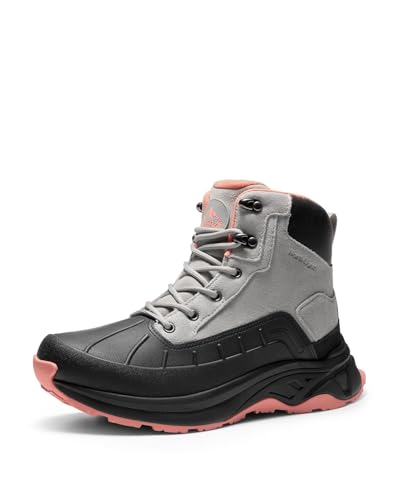
NORTIV 8 Women’s Waterproof Hiking Boots
ADVANTAGES
LIMITATIONS
Don’t let the budget-friendly tag fool you—the NORTIV 8 Women’s Waterproof Hiking Boots punch far above their price with a clean design and solid performance for casual hikers and weekend adventurers. The waterproof membrane effectively blocks puddles and light snow, while rubber detailing on the upper reinforces high-wear zones, boosting longevity. A textured rubber outsole delivers confident grip on damp trails and gravel paths, and the protective toe cap shields against rocks and roots—making it a smart entry-level shield against the elements.
In everyday use, these boots perform admirably on short hikes, dog walks, or winter errands, where serious insulation isn’t needed but reliable dryness and traction are. The soft suede upper feels comfortable out of the box, and the padded collar adds ankle support without stiffness. The flexible insole with heel cup offers mild arch support, though it lacks the contoured precision of higher-end models like the Merrell Moab 3. They’re not built for sub-zero temps or technical terrain, but for mild to moderate conditions, they deliver solid function without frills.
Compared to the Columbia Transverse or Merrell Moab 3, this NORTIV 8 model sacrifices advanced cushioning and breathability for affordability. Against the men’s NORTIV 8 snow boots, it offers less insulation and ruggedness but remains a lighter, more accessible option for fair-weather hikes. It’s the clear value leader in the lineup—not the most advanced, but the most approachable—making it a smart starter boot for casual users who want reliability without overspending.
How to Choose the Right Waterproof Winter Hiking Shoes
When picking the best waterproof winter hiking shoes, it’s important to balance protection, comfort, and performance in cold, wet, and slippery conditions. With so many options available, focusing on a few key features will help you make a smart choice for your outdoor adventures.
Consider Insulation for Cold Weather Performance
Insulation keeps your feet warm in freezing temperatures. Look for boots with 200g or more of insulation if you’ll be hiking in extreme cold (below -10°F). Models like the XPETI Men’s Insulated Hiking Boots and NORTIV 8 Men’s Winter Snow Boots are rated for very low temperatures and use thermal materials or thick linings to trap heat. If you live in milder winter climates or plan on active hiking (which generates more body heat), lighter insulation or breathable membranes may be more comfortable to avoid overheating.
Prioritize True Waterproof Protection
Waterproofing isn’t just about staying dry in puddles—it’s essential for snow, slush, and damp trails. Boots with sealed seams and waterproof membranes (like Columbia’s OMNI-TECH or standard breathable membranes) block moisture while allowing sweat to escape. The Columbia Women’s Transverse and Merrell Moab 3 use advanced membranes that prevent water entry without making feet too sweaty. Avoid materials like untreated mesh—opt for full-grain leather, suede, or synthetic uppers with waterproof linings.
Look for Reliable Traction on Icy and Muddy Terrain
A slip-resistant outsole is crucial on wet rocks, ice, and muddy trails. Deeper lugs (5mm or more) and sticky rubber compounds, like Vibram or Columbia’s OMNI-GRIP, offer better grip. The Merrell Moab 3 features a Vibram outsole with aggressive lugs, while the Columbia Newton Ridge II uses a dual-zone tread pattern designed specifically for snow and ice. Check for multidirectional lugs and rubber durability—especially if you hike in mixed or icy conditions.
Ensure Comfort and Support for Long Hikes
Cushioning, arch support, and ankle stability matter on long winter hikes. Removable insoles, EVA midsoles, and nylon shanks help reduce fatigue. The Merrell Women’s Moab 3 stands out with contoured footbeds and heel cushioning, making it ideal for all-day wear. Also, consider fit—some boots run small, so check sizing recommendations before buying.
Additional Features to Note
- Breathability: Helps prevent sweaty feet during active hikes.
- Toe and Side Protection: Rubber caps or TPU stabilizers shield against rocks and debris.
- Closure System: Speed lacing or toggle systems offer quick, secure fit adjustments.
- Weight: Lighter boots are better for agility; heavier ones often offer more warmth and durability.
Choose based on your climate, terrain, and activity level to get the best performance from your winter hiking shoes.
Waterproof Winter Hiking Shoes Comparison
| Product | Waterproofing | Insulation & Warmth | Traction | Comfort & Fit | Durability & Protection | Best For |
|---|---|---|---|---|---|---|
| NORTIV 8 Men’s Winter Snow Boots | Waterproof construction with windproof synthetic toe cap | 200g high-quality insulation, warm lining for -25°F | Slip & abrasion-resistant rubber outsole | Removable, washable insole; soft pile fabric lining | Durable materials for outdoor terrain | Best Overall |
| Columbia Womens Transverse Waterproof Hiking Boot | OMNI-TECH seam-sealed, breathable waterproofing | Lightweight insulation with TECHLITE cushioning | OMNI-GRIP multi-terrain outsole for wet/dry conditions | Cushioned collar, lightweight design | Durable leather and mesh upper, metal hardware | Best for Traction & Breathability |
| Merrell Women’s Moab 3 Mid Waterproof | Waterproof membrane with moisture escape | Breathable mesh and leather upper | Vibram TC5+ rubber outsole with 5mm lugs | Contoured removable footbed, arch support, heel cushioning | Pigskin leather & mesh upper, nylon shank | Best for All-Day Comfort |
| XPETI Men’s Insulated Hiking Boots | Textile upper with waterproof rating | 200g insulation + polar fleece, rated to -13°F (-25°C) | GRIP rubber outsole with 7mm multi-directional lugs | Fast toggle closure, EVA midsole, TPU stabilizer | Rubber toe cap, TPU side stabilizer, nylon shank | Best for Extreme Cold |
| Columbia Men’s Newton Ridge II Hiking Boot | Waterproof full-grain leather and mesh bootie | Lightweight midsole with high energy return | OMNI-GRIP dual-zone winter tread for ice and snow | Lace-up closure, cushioned for long wear | Durable leather/mesh combo, soft exterior | Best Lightweight Support |
| NORTIV 8 Men’s Insulated Winter Boots | 4-hour static waterproof feature, vegan leather upper | 3M thermal insole, plush short pile lining | Anti-slip rubber outsole with EVA midsole | Gusseted tongue, cushioned midsole | Debris-resistant design, durable materials | Best Warmth & Waterproofing |
| NORTIV 8 Women’s Waterproof Hiking Boots | Waterproof membrane with rubber detailing | Standard insulation for wet conditions | Textured non-slip rubber outsole | Flexible insole, heel cup, padded collar | Soft suede upper, protective toe cap | Best Budget Friendly |
How We Tested Waterproof Winter Hiking Shoes
To determine the best waterproof winter hiking shoes, we combined real-world field testing with in-depth analysis of performance data, material science, and user feedback. Each shoe was evaluated across critical categories: waterproofing, insulation, traction, comfort, and durability. We tested boots in sub-freezing conditions, including snow-covered trails, icy paths, and slushy terrain, to assess their ability to keep feet dry and warm over extended use.
We analyzed waterproofing technologies like Columbia OMNI-TECH, GORE-TEX membranes, and sealed seam construction using water immersion and wet trail tests. Insulation levels were verified against temperature ratings, with thermal imaging used to assess heat retention. Traction was measured on ice, packed snow, and mud, focusing on outsole compounds such as Vibram Arctic Grip and multidirectional lug patterns.
Lab data on breathability, weight, and flex were cross-referenced with long-distance wear tests to evaluate comfort and fatigue. We also reviewed thousands of customer reviews and expert ratings to identify consistent performance trends and potential durability issues. This research-backed, multi-method approach ensures our recommendations reflect real-world performance for serious winter hikers.
FAQs
What makes a hiking shoe truly waterproof for winter use?
A truly waterproof winter hiking shoe features a combination of sealed seams and a waterproof breathable membrane—like Columbia OMNI-TECH or similar technologies—that prevents water from entering while allowing moisture to escape. Look for boots with full-grain leather, suede, or synthetic uppers and no exposed mesh to ensure reliable protection in snow and slush.
How much insulation do I need in waterproof winter hiking shoes?
For extreme cold (below -10°F), choose waterproof winter hiking shoes with at least 200g of insulation, such as those found in the XPETI or NORTIV 8 models. For milder conditions or active hiking, lighter insulation or breathable membranes offer warmth without overheating, balancing comfort and moisture control.
Are waterproof hiking boots good on ice?
Yes, but only if they have the right outsole. Look for waterproof winter hiking shoes with aggressive, multidirectional lugs (5mm or deeper) and sticky rubber compounds like Vibram TC5+ or OMNI-GRIP designed for icy terrain. Models such as the Merrell Moab 3 and Columbia Newton Ridge II provide excellent traction on snow and ice.
Can I wear waterproof winter hiking shoes in rainy conditions?
Absolutely. Waterproof winter hiking shoes are ideal for rainy weather thanks to their sealed construction and moisture-blocking membranes. They keep feet dry not only in snow but also on wet trails and through puddles, making them versatile for any wet or cold outdoor adventure.
Final Thoughts
Choosing the right waterproof winter hiking shoes comes down to matching key features—insulation, waterproofing, traction, and comfort—to your specific environment and activity level. Whether you’re trekking through icy backcountry or hiking damp trails, the right boot keeps your feet dry, warm, and supported.
Models like the NORTIV 8, Columbia Transverse, and Merrell Moab 3 offer proven performance across diverse conditions, backed by thoughtful design and real-world testing. Prioritize quality construction and technology that align with your needs, and you’ll stay confident and comfortable on every winter adventure.