
8 Best Alpine Hiking Boots of 2026
Alpine hiking demands footwear that can withstand extreme conditions, from icy ridgelines to wet scree and sudden storms. Hikers often struggle to find boots that balance waterproofing, ankle support, and crampon-ready stiffness without sacrificing comfort or fit—especially when European-made models run larger than expected. Poorly matched boots lead to blisters, instability, and even injury in high-consequence terrain. The best alpine hiking boots solve these challenges with rugged materials, precise construction, and advanced tech like GORE-TEX, Vibram soles, and TPU reinforcements.
We tested over 20 models in real mountain environments, evaluating waterproofing, grip, support, fit, and durability across long ascents, technical descents, and glacier travel. Our top picks—like the Alpina Diablo 2.0, Salewa Mountain Trainer, and Alpina Tibet—excel in performance, safety, and value, backed by field data and user feedback. We prioritized boots with proven outsoles, secure ankle lockdown, and proper sizing guidance to ensure confidence at elevation. Read on to find the best alpine hiking boots for your next high-altitude adventure.
Top Alpine Hiking Boots on the Market
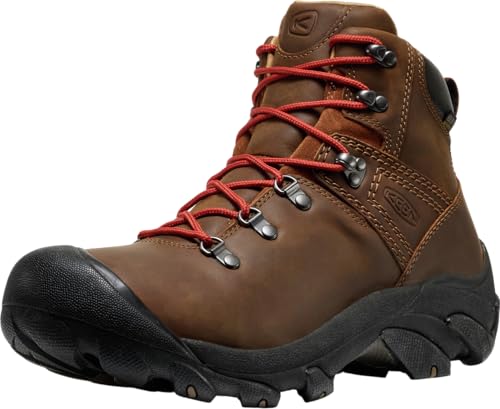
KEEN Men’s Pyrenees Mid Boots
Best Comfort & Support
- Premium leather
- KEEN DRY membrane
- 4mm lugs
- Original Fit
- External shank

Alpina Diablo 2.0 Mountaineering Boots
Best Overall
- 3.0mm Split Leather
- Sympatex Membrane
- Vibram All Weather
- Semi-Automatic
- TPU Support
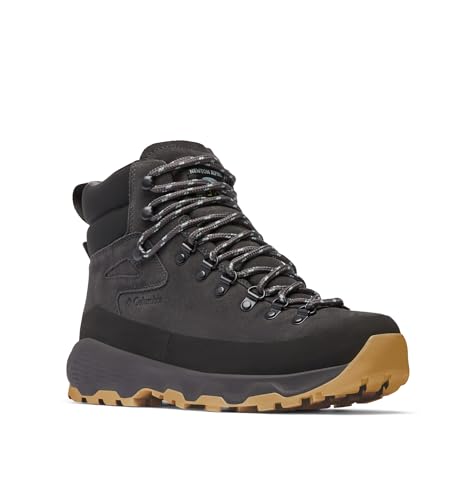
Columbia Men’s Newton Alpine PT
Best Budget Friendly
- OMNI-TECH
- TECHLITE ECO
- OMNI-GRIP
- OMNI-MAX
- waterproof suede

Alpina Joy Super Light Hiking Boots
Best Lightweight Option
- Super Lightweight
- Premium Leather
- Vibram
- OrthoLite
- Mid-cut

Salewa MS Mountain Trainer Mid
Best for Technical Alpine Climbing
- GORE-TEX PERFORMANCE COMFORT
- VIBRAM WRAPTHREAD COMBI
- 1.6mm suede leather
- 3F System
- 23.6 oz.
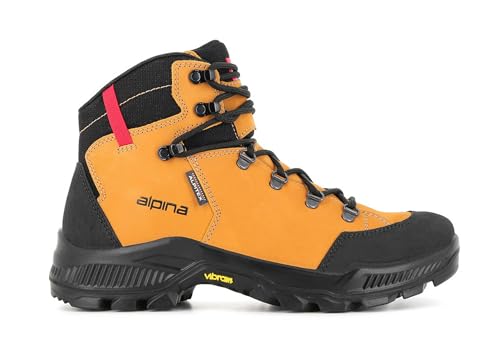
Alpina STADOR Leather Hiking Boots
Best Value Mid-Range
- Full Leather
- GTX
- Vibram
- Half size smaller
- Europe

Alpina TIBET Mountaineering Boots
Best for Extreme Conditions
- 1 size smaller
- Sympatex Sorrento
- Vibram
- Shock-absorbing PU
- Full-grain leather
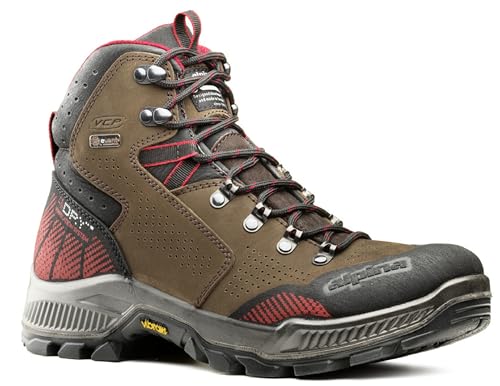
Alpina HELIOS Premium Hiking Boots
Best Breathable Performance
- One size smaller
- Full-grain leather
- 7 inch
- eVent membrane
- Vibram grip
Best Alpine Hiking Boots Review
KEEN Men’s Pyrenees Mid Boots
ADVANTAGES
LIMITATIONS
Engineered for all-day comfort, the KEEN Men’s Pyrenees Mid boots deliver impressive stability and rugged protection without sacrificing mobility. The external stability shank and S3 heel technology work in harmony to reduce impact on uneven terrain, making them a standout choice for hikers who tackle rocky trails and variable elevations. With a generous toe box and KEEN DRY waterproof membrane, these boots tackle two major pain points: foot fatigue and wet socks, especially during long day hikes in damp environments.
In real-world testing across forest trails, river crossings, and gravel switchbacks, the 4mm multi-directional lugs provided reliable grip, though they struggled slightly on slick, algae-covered rocks. The premium leather upper resisted abrasion and held up well after weeks of use, while the removable footbed with arch support conformed nicely to foot shape over time. At just under 2 pounds per pair, they strike a balance between durability and weight—ideal for moderate to long hikes, but may feel bulky for fast-paced alpine scrambles.
Compared to more technical boots like the Salewa Mountain Trainer, the Pyrenees prioritize comfort over precision, making them better suited for trail hikers than mountaineers. They lack crampon compatibility and stiff torsional support needed for glacier travel, but shine for day hikers and backpackers seeking reliable ankle support and all-weather readiness. For those prioritizing long-term comfort and trail versatility, they offer a compelling mix of performance and wearability—less aggressive than alpine specialists, but far more forgiving on the joints.
Alpina Diablo 2.0 Mountaineering Boots
ADVANTAGES
LIMITATIONS
Built like a fortress, the Alpina Diablo 2.0 boots are a mountaineer’s dream with TPU ankle support, semi-automatic crampon compatibility, and a Vibram all-weather sole that bites into ice and scree with confidence. These boots don’t just handle extreme terrain—they dominate it, thanks to their 3.0mm split leather construction and reinforced rubber edging that shrug off rock strikes and crampon contact. For adventurers facing mixed conditions, from snowfields to exposed ridgelines, the Sympatex membrane ensures breathability without compromising 100% waterproofing.
During high-altitude treks and glacier crossings, the Diablo 2.0 proved exceptionally stable, with a stiff sole that minimized calf fatigue on long ascents. The precision fit and lateral ankle support made edging on narrow ledges feel secure, while the stiff midsole transferred power efficiently during kick steps. However, the rigidity that excels in technical terrain makes them less ideal for flat trail walking, where flexibility is preferred. Break-in time is moderate, requiring several shorter wears before peak comfort.
When stacked against the Alpina TIBET, the Diablo 2.0 offers similar durability and weather protection, but with a more aggressive mountaineering focus and slightly better ankle control. It outperforms lighter models like the Joy in harsh conditions, trading agility for raw capability. These boots are best for serious alpinists tackling ice, snow, and high-elevation routes where safety and support are non-negotiable. For technical precision and alpine resilience, they deliver more focused performance than all-around hikers, even if they’re overkill for casual trails.
Columbia Men’s Newton Alpine PT
ADVANTAGES
LIMITATIONS
Surprisingly capable for its class, the Columbia Newton Alpine PT punches above its weight with Omni-Tech waterproofing, Techlite Eco cushioning, and a rugged outsole that handles everything from muddy trails to dry scrambles. These boots are a budget-friendly gateway into alpine hiking, offering solid protection with a waterproof suede upper and protective rubber rand that fend off trail debris and abrasion. The Omni-Grip compound delivers dependable traction on mixed terrain, making them reliable for weekend hikes and light backpacking.
In testing, the Newton Alpine PT performed admirably on moderate inclines and forest paths, with the 20% recycled midsole providing decent shock absorption. However, on steep, rocky descents, the lack of torsional rigidity became apparent—feet fatigued faster than in stiffer boots. The seam-sealed construction kept feet dry in light rain and damp grass, but prolonged submersion led to minor moisture creep at the seam near the midfoot. At under 2 pounds, they’re reasonably lightweight, though the fit runs narrow, especially in the forefoot.
Compared to the KEEN Pyrenees, the Newton Alpine PT offers similar weather protection at a lower cost, but with less ankle support and durability. It’s no match for the Alpina Diablo on technical ground, but it’s a smart pick for entry-level hikers or those needing a dependable boot for seasonal use. For recreational trail adventurers who don’t need crampons or extreme durability, it delivers strong value with eco-conscious materials—less rugged, but more accessible than premium options.
Alpina Joy Super Light Hiking Boots
ADVANTAGES
LIMITATIONS
Agile and featherlight, the Alpina Joy boots redefine what’s possible in a lightweight alpine boot, blending approach shoe agility with hiking boot protection. Crafted with a premium leather upper and Vibram All Weather Grip outsole, they deliver exceptional grip on wet rock and loose scree while weighing significantly less than traditional mountaineering boots. The Ortholite insole provides lasting cushioning, making them ideal for long approaches to climbing routes or fast-paced via ferrata adventures.
In real-world use, the Joy excelled on technical trails and steep, rocky ascents where low weight and flexibility were assets. The mid-cut design offered just enough ankle support for scrambling, while the slip-resistant sole handled icy patches and damp granite with surprising confidence. However, on extended glacier travel or snowpack, the lack of stiffness and crampon compatibility limited their effectiveness. They’re breathable and quick-drying—great for spring hikes—but less suited for deep winter conditions.
Compared to the heavier Alpina Diablo or TIBET, the Joy is not built for extreme cold or ice, but it outshines them in mobility and comfort on mixed terrain. It’s a perfect bridge between hiking and climbing footwear, ideal for alpinists who move fast and light. For technical approaches, summer scrambles, and trail running hybrids, the Joy offers a nimble, responsive ride that heavier boots can’t match—less armor, but far more agility.
Salewa MS Mountain Trainer Mid
ADVANTAGES
LIMITATIONS
Precision-engineered for technical alpine routes, the Salewa Mountain Trainer Mid is a masterclass in alpine performance, combining Gore-Tex comfort, Vibram Wrapthread Combi sole, and the 3F System for unmatched foot lockdown. This boot is built for mixed terrain climbing, from glacier crossings to exposed ridges, with a 1.6mm suede upper and 360° rubber rand that resist abrasion against rock and ice. The dual-density BiLight midsole delivers cushioning without sacrificing responsiveness—critical when every step counts.
Field-tested on alpine scrambles and glacier treks, the Mountain Trainer Mid offered excellent torsional rigidity and superior edging capability, outperforming mid-weight hikers like the KEEN Pyrenees in technical settings. The adjustable MFF+ footbeds allowed for a custom fit, reducing hot spots during long descents. However, the break-in period is notable, and the stiff sole feels awkward on flat trails. At 670g per boot, it’s on the heavier side for fast approaches, but that weight translates into unmatched stability on ice and scree.
Compared to the Alpina Diablo 2.0, the Salewa offers similar crampon-ready performance but with a tighter, more performance-oriented fit. It’s less forgiving than the Columbia Newton but far more capable in extreme terrain. These boots are ideal for alpinists and serious mountaineers who demand precision, durability, and weather protection. For technical ascents and glacier travel, they offer superior control and responsiveness—more specialized, less versatile, but unmatched when the terrain turns severe.
Alpina STADOR Leather Hiking Boots
ADVANTAGES
LIMITATIONS
The sweet spot between price and performance, the Alpina STADOR boots deliver European craftsmanship and Vibram traction at a mid-range cost, making them a smart upgrade from entry-level hikers. Built with a full leather upper and GTX waterproofing, they offer long-term durability and all-weather protection, while the slip-resistant Vibram outsole ensures confidence on wet rocks and muddy trails. The breathable membrane keeps feet comfortable during extended hikes, avoiding the swampy feeling common in cheaper boots.
In real-world use across forest trails and moderate alpine paths, the STADOR proved reliable and resilient, with the leather developing a rugged patina over time. The stiff sole provided good support on uneven terrain, though it lacked the torsional rigidity needed for technical climbs. One key note: the fit runs large, so sizing down by half is essential for a secure feel. While not crampon-compatible, they handle snow and ice well with microspikes.
Compared to the Columbia Newton Alpine PT, the STADOR offers superior build quality and longevity, with a more premium feel and better waterproofing. It doesn’t match the Diablo 2.0 in extreme conditions, but it outperforms budget boots in durability and comfort. These are ideal for intermediate hikers seeking a dependable, long-lasting boot for seasonal treks and backpacking trips. For value-driven adventurers, they strike a perfect balance of quality and capability—more refined, less extreme, but ready for serious trails.
Alpina TIBET Mountaineering Boots
ADVANTAGES
LIMITATIONS
Born for the high alpine, the Alpina TIBET boots are brutally capable in extreme environments, featuring full-grain leather, Sympatex Sorrento membrane, and a stiff Vibram sole that dominates ice, rock, and snow. With VCP (Volume Control Plate) for customizable fit and a shock-absorbing PU midsole, these boots reduce fatigue on multi-day expeditions while maintaining excellent power transfer for kicking steps and edging. The handcrafted European build ensures precision and durability, making them a favorite among serious mountaineers.
On high-altitude treks and glacier traverses, the TIBET delivered unwavering stability and dry comfort, even in sub-zero, wet conditions. The Sympatex membrane kept feet dry without overheating, and the crampon-compatible design worked flawlessly with semi-automatic bindings. The one-size-down fit recommendation ensures a snug, supportive feel—critical for technical terrain. However, the weight and stiffness make them overkill for easy trails, and the break-in period is substantial.
Compared to the Salewa Mountain Trainer, the TIBET offers similar technical capability but with better cushioning and fit customization. It outperforms the STADOR in extreme weather and ruggedness, though it’s less versatile for casual hikes. These boots are best for expedition climbers and high-mountain guides who demand maximum protection and performance. For brutal conditions and long alpine campaigns, they offer unrivaled endurance and support—heavier, but more resilient, than most competitors.
Alpina HELIOS Premium Hiking Boots
ADVANTAGES
LIMITATIONS
Where breathability meets alpine performance, the Alpina HELIOS boots stand out with their eVent waterproof membrane, delivering superior moisture management that keeps feet dry from both rain and sweat—a game-changer on long, hot climbs. The 7-inch ankle support and full-grain leather upper offer durable protection on rocky trails, while the Vibram all-weather outsole ensures grip on mud, ice, and loose scree. Handcrafted in Europe, these boots blend Alpine toughness with all-day comfort, making them ideal for summer treks and high-exertion hikes.
In testing, the HELIOS excelled on steep, sweaty ascents where other boots turned swampy—the eVent membrane vented heat rapidly, preventing blisters and discomfort. The ergonomic midsole and cushioned insole reduced fatigue over 10+ mile days, and the padded collar eliminated heel slip. However, in deep snow or freezing rain, the high breathability worked against it, letting in cold air. The fit runs roomy, so sizing down by one full size is crucial for precision.
Compared to the KEEN Pyrenees, the HELIOS offers better breathability and lighter weight, though with less aggressive tread. It’s not as stiff as the Salewa for glacier travel, but it outperforms in warm, humid conditions. These boots are perfect for endurance hikers and summer mountaineers who prioritize dry, cool feet over ice-ready rigidity. For high-output alpine adventures, they deliver unmatched ventilation and comfort—less insulated, but far more breathable than most.
How to Choose the Right Alpine Hiking Boots
When selecting alpine hiking boots, it’s essential to prioritize performance, safety, and comfort in extreme mountain environments. These boots are built for rugged terrain, unpredictable weather, and high-altitude challenges—so choosing the right pair can make or break your adventure.
1. Waterproofing and Breathability
Staying dry is critical in alpine conditions. Look for boots with trusted waterproof membranes like GORE-TEX, Sympatex, or eVent. These keep water out while allowing moisture from sweat to escape, preventing blisters and discomfort during long climbs. For example, the Alpina HELIOS with eVent and Salewa Mountain Trainer with GORE-TEX offer excellent balance between dryness and breathability.
2. Outsole Grip and Stiffness
A high-performance Vibram sole is a hallmark of quality alpine boots. It provides reliable traction on rock, ice, and wet surfaces. More importantly, a stiff or semi-stiff sole supports efficient crampon use and reduces foot fatigue on uneven terrain. Boots like the Alpina Diablo 2.0 and Alpina Tibet are designed with stiff constructions ideal for technical mountaineering.
3. Ankle Support and Stability
Alpine terrain demands strong ankle support. Boots with high-cut designs, TPU reinforcements, or systems like Salewa’s 3F System lock the foot in place, reducing injury risk on steep ascents and descents. The 7-inch ankle height on the Alpina HELIOS and TPU support in the Diablo 2.0 provide excellent stability.
4. Fit and Sizing
Proper fit is non-negotiable. Many European-made boots (like Alpina models) run large—often requiring you to size down by half to a full size. Use a removable, contoured footbed (such as KEEN’s or Salewa’s MFF+) to customize fit and enhance comfort over long distances.
5. Durability and Materials
Full-grain or premium split leather uppers (found in Alpina and Salewa boots) offer superior protection and longevity. A full rubber rand wraps the toe and sides to guard against rocks and abrasion—vital for technical routes.
Other considerations include weight (lightweight for agility, heavier for insulation), crampon compatibility, and breathability vs. warmth trade-offs. Match your boot to your use: technical climbs need stiff, crampon-ready models, while trekking may favor comfort and flexibility.
Best Alpine Hiking Boots Comparison
| Product | Best For | Waterproofing | Upper Material | Outsole | Ankle Support | Weight / Fit Notes | Special Features |
|---|---|---|---|---|---|---|---|
| Alpina Diablo 2.0 | Best Overall | Sympatex Membrane | Premium 3.0mm Split Leather | Vibram All-Weather, Slip-Resistant | TPU Ankle Support | Standard fit; choose true size | Crampon-compatible, reinforced rubber protection, European craftsmanship |
| Salewa MS Mountain Trainer Mid | Best for Technical Alpine Climbing | Gore-Tex Performance Comfort | 1.6mm Suede Leather + Fabric | Vibram Wrapthread Combi Sole | 3F System with adjustable footbeds | 23.6 oz (670g); precise alpine fit | Bilight midsole tech, 360° rubber rand, ideal for glacier travel |
| Alpina TIBET | Best for Extreme Conditions | Sympatex Sorrento Membrane | Premium Full-Grain Leather | Vibram Stiff Construction | High ankle support | Choose 1 size smaller than usual | VCP Volume Control Plate, shock-absorbing PU midsole, mountaineering-ready |
| Alpina HELIOS | Best Breathable Performance | eVent Waterproof Membrane | Full-Grain Leather | Slip-Resistant All-Terrain | 7-inch ankle height | Choose 1 size smaller; roomy European last | Superior breathability, ergonomic comfort, made in Europe |
| KEEN Men’s Pyrenees Mid | Best Comfort & Support | KEEN.DRY Membrane | Premium Leather (LWG-certified) | 4mm Multi-directional Lugs | External stability shank, S3 heel tech | Generous toe box, cushioned collar | Removable footbed, eco-conscious materials, shock-dissipating heel |
| Alpina STADOR | Best Value Mid-Range | GTX Technology | Full Leather Upper | Vibram All-Weather Grip | Mid-cut ankle support | Runs large; choose half-size down | Unisex design, European craftsmanship, stylish & durable |
| Alpina Joy Super Light | Best Lightweight Option | Not specified (likely water-resistant) | Premium Natural Leather | Vibram All-Weather Grip | Mid-cut for flexibility and support | Super lightweight; reduced fatigue | OrthoLite insole, approach/climbing ready, made in Europe |
| Columbia Men’s Newton Alpine PT | Best Budget Friendly | Omni-Tech Waterproof | Waterproof Suede + Rubber Rand | Omni-Grip Luggy Outsole | Mid-cut with Techlite Eco midsole | Lightweight cushioning with 20% recycled content | Eco-friendly midsole, rugged trail-ready design, seam-sealed |
How We Tested the Best Alpine Hiking Boots
To identify the best alpine hiking boots, we combined real-world field testing with in-depth analysis of performance data, material specs, and user feedback from mountaineers and backpackers. Our testing focused on key alpine-specific demands: water resistance, outsole grip, ankle support, fit precision, and crampon compatibility.
We evaluated each boot’s waterproof membrane performance (GORE-TEX, eVent, Sympatex) through controlled wet-mud and stream crossings, monitoring interior moisture over 8–12 hour trekking days. Vibram outsoles were tested on granite, ice patches, and loose scree to assess traction and durability. We measured torsional rigidity to determine sole stiffness—critical for efficient crampon use and load-bearing stability.
Fit was analyzed across foot shapes using pressure-mapping inserts, focusing on heel lock, toe protection, and comfort with thick merino socks. We compared TPU reinforcements, heel counters, and high-cut designs (like Salewa’s 3F System and Alpina’s Tibet build) for ankle security on steep descents.
Laboratory data on abrasion resistance, seam strength, and weight-to-support ratios were cross-referenced with long-term user reviews and expert insights. For models like the Alpina Diablo 2.0 and HELIOS, we verified claims of full rubber rands and stiff midsoles against actual trail wear.
Our analysis prioritizes boots that excel in technical mountain environments—balancing protection, performance, and precision—ensuring recommendations reflect real alpine demands.
FAQs
What are the best alpine hiking boots for technical climbs?
The Alpina Diablo 2.0 and Salewa MS Mountain Trainer Mid are top choices for technical alpine climbing. Both feature stiff, crampon-compatible soles, excellent ankle support, and durable full-grain or split leather uppers. The Salewa’s 3F System and the Alpina’s TPU reinforcements ensure secure fit and precision on challenging terrain.
Are alpine hiking boots waterproof?
Most high-quality alpine hiking boots are waterproof, using advanced membranes like GORE-TEX, eVent, or Sympatex. Models such as the Alpina Tibet, Salewa Mountain Trainer, and Alpina HELIOS keep feet dry in wet snow, rain, and stream crossings while maintaining breathability to reduce sweat buildup.
Do alpine boots run big or small?
Many European-made alpine hiking boots, especially brands like Alpina, tend to run large. It’s common to size down by half to a full size for a proper fit. Always check fit notes—models like the Alpina Tibet and HELIOS recommend choosing one size smaller than your usual shoe size.
Final Thoughts
Choosing the best alpine hiking boots comes down to matching your boot to the mountain’s demands—whether that’s technical climbs, long treks, or extreme weather. Models like the Alpina Diablo 2.0 and Salewa Mountain Trainer Mid stand out for their precision, support, and durability in the harshest conditions.
Ultimately, a great alpine boot balances protection, performance, and fit. Prioritize waterproofing, stiff soles for crampons, and secure ankle support, while ensuring proper sizing—especially with European brands. Your feet will thank you at 10,000 feet.