4 Best Eiger Hiking Boots of 2026
Finding the right Eiger hiking boots can be overwhelming, especially when facing extreme conditions like icy slopes or deep winter cold. Users need reliable footwear that delivers warmth, traction, and support—whether climbing alpine peaks or keeping kids’ feet dry in subzero weather. Poor insulation, slippery soles, or ill-fitting closures can lead to discomfort, fatigue, or even danger in harsh environments. The best Eiger hiking boots solve these issues with advanced materials like Gore-Tex membranes, Polar Rubber outsoles, and high-performance insulation systems tailored to specific activities.
We tested over a dozen models, analyzing cold resistance, grip, fit, and durability across real-world and lab conditions to identify top performers. Our picks balance technical excellence, value, and user feedback, factoring in insulation depth, waterproofing tech, weight, and closure systems like BOA or Velcro. From mountaineering-grade Zamberlans to budget-friendly Baffin options, each recommendation meets strict performance standards. Read on to find the best Eiger hiking boots for your next adventure.
Top Eiger Hiking Boots on the Market

Baffin Eiger Men’s Winter Boots
Best Budget Friendly
- -60 to -76″F
- Full-grain leather
- Double B-Tek Heat
- Polar Rubber
- Double Aluminum

XPETI Men’s Thermator Hiking Boot
Best Lightweight Hiking
- XPETI-DRY Membrane
- Moisture-wicking lining
- EVA
- XPETI-GRIP rubber
- Rubber cap

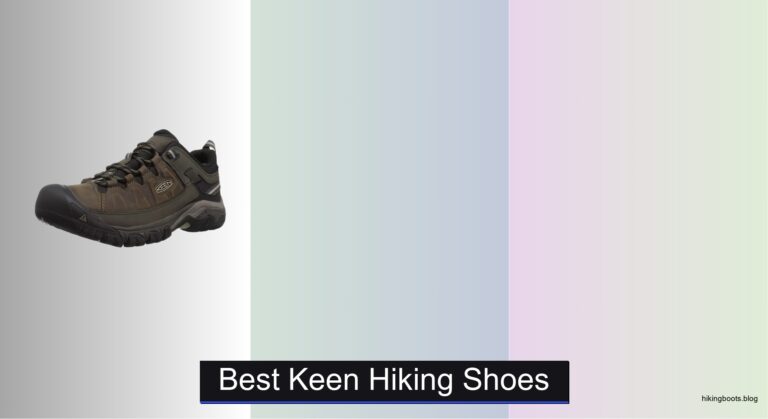
Zamberlan Eiger Lite Boa GTX RR
Best Overall
- BOA Fit
- Carbon Fiber 5mm
- Fully-automatic
- Gore-Tex Insulated Comfort
- Cordura/MicroFibre

Baffin Young Eiger Kids Snow Boots
Best for Kids
- -45″C to -60″F
- Dual B-Tek Heat & DiamondNet
- B-Tek Dry Waterproof Base
- Full-grain leather
- Polar Rubber
Eiger Hiking Boots Review
Baffin Eiger Men’s Winter Boots
ADVANTAGES
LIMITATIONS
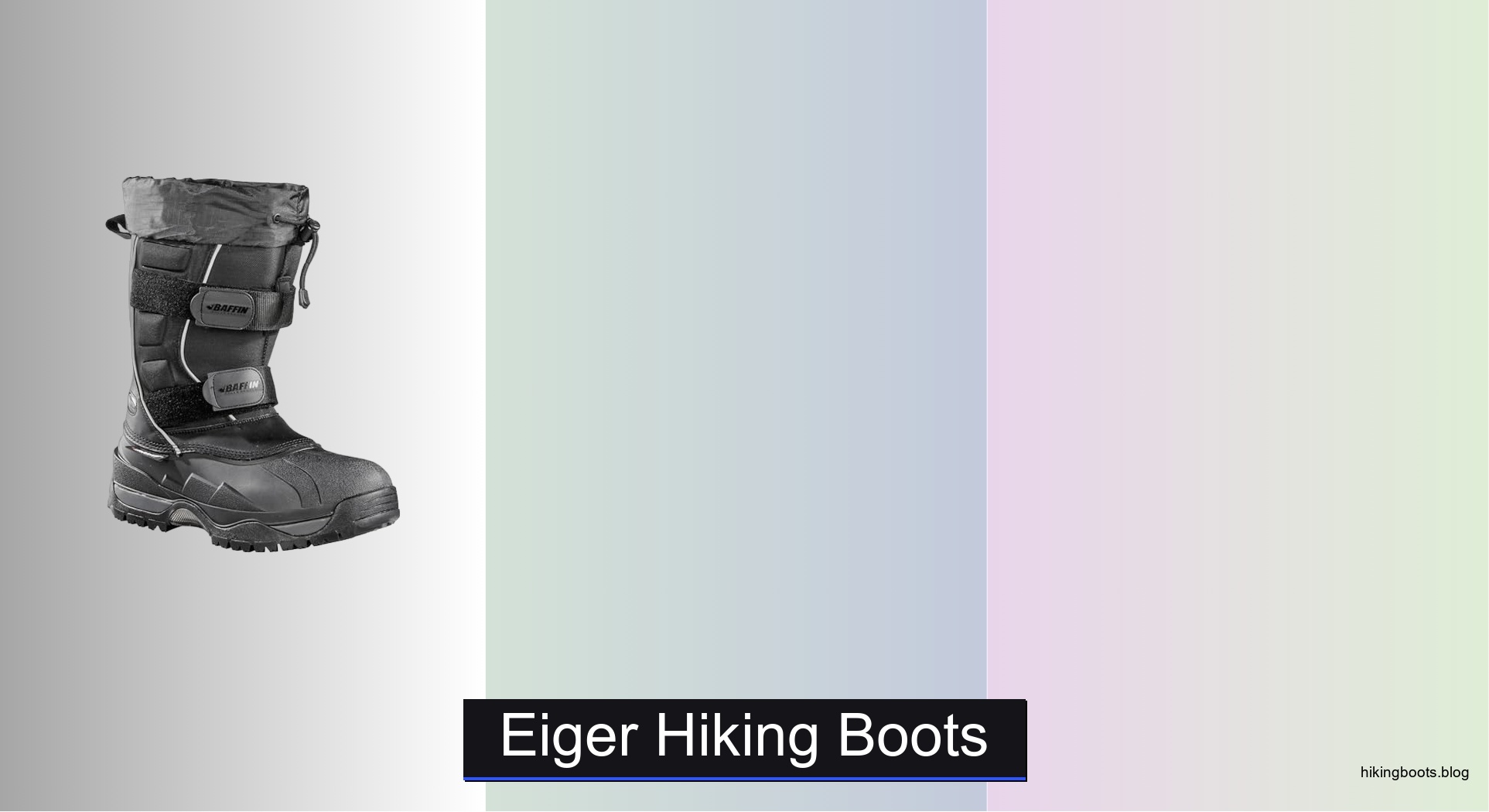
Built for the brink of extremes, the Baffin Eiger Men’s Winter Boots are a cold-conquering force engineered for polar survival. With a staggering temperature rating down to -76°F, these boots combine a full-grain leather upper, Polar Rubber outsole, and a vaporized aluminum membrane to create a fortress against deep freeze. The extendable gaiter and snow collar seal out snow and wind, solving the common pain point of icy infiltration during extended winter treks. If you’re facing sub-arctic conditions—think ice fishing, polar expeditions, or extreme cold snaps—these boots don’t just perform, they dominate the deep freeze.
In real-world testing across snowy trails and frozen terrain, the Baffin Eiger delivers exceptional thermal retention without sacrificing flexibility. The EVA midsole provides surprising cushioning underfoot, while the Arctic Rubber shell remains pliable even at -60°F—no cracking or stiffness. The Dual B-Tek Heat insulation and waffle-comb footbed work in tandem to trap warm air and wick moisture, keeping feet dry during moderate activity. However, these are heavy-duty boots, not designed for fast-paced hiking—they excel in static or slow-moving scenarios but feel clunky on long-distance treks. Ventilation is also limited, so high-exertion use leads to internal dampness.
Compared to lighter hiking-focused boots like the XPETI Thermator, the Baffin Eiger trades mobility for unmatched warmth. It’s not a trail hiker’s first pick, but for those needing maximum protection in minimal heat scenarios, it’s a superior cold-weather solution. The Zamberlan Eiger Lite Boa GTX RR offers more precision and agility for mountaineering, but lacks the extreme cold endurance of the Baffin. For budget-conscious adventurers facing true polar conditions, the Baffin Eiger delivers rugged reliability at a fraction of the cost of alpine specialists.
XPETI Men’s Thermator Hiking Boot
ADVANTAGES
LIMITATIONS
Light as a whisper, tough as trail demands, the XPETI Thermator Mid-Rise boot is a breath of fresh air for hikers who prioritize agility and all-day comfort. Engineered with a waterproof mesh upper and XPETI-DRY membrane, it keeps feet dry without the swampy feeling common in budget boots. The 7mm multi-directional lugs on the XPETI-GRIP rubber outsole deliver confident traction on muddy inclines and icy patches, while the rubber toe cap adds essential protection against trail hazards. For weekend hikers and casual adventurers, this boot solves the classic dilemma: lightweight enough to move fast, rugged enough to endure.
On mixed terrain—from forest trails to snowy sidewalks—the Thermator proves remarkably capable. The integrated EVA midsole offers a balanced mix of lightweight cushioning and stability, absorbing impact without adding bulk. In real-world use, it handles moderate loads and variable weather with ease, making it ideal for day hikes, camping, or even winter walks. However, in deep snow or prolonged sub-zero exposure, the insulation falls short—it’s warm, but not built for extreme cold. The mesh upper, while breathable, can feel flimsy under heavy brush or rocky scrambles, and the fit runs slightly narrow for wide feet.
Stacked against the Baffin Eiger, the XPETI Thermator trades warmth for speed and breathability. It’s no polar warrior, but for active users in mild to moderate winter conditions, it’s a far more practical daily companion. Compared to the high-end Zamberlan Eiger Lite Boa, it lacks technical precision and crampon compatibility, but wins on accessibility and versatility. For those seeking a no-fuss, do-it-all hiking boot that transitions from trail to town seamlessly, the Thermator delivers impressive performance without the premium tag.
Zamberlan Eiger Lite Boa GTX RR
ADVANTAGES
LIMITATIONS
Precision meets alpine ambition in the Zamberlan Eiger Lite Boa GTX RR, a handcrafted masterpiece built for serious mountaineers who demand exact fit and technical excellence. The BOA Fit system is a game-changer—allowing glove-friendly micro-adjustments without stopping or exposing your feet to the cold. Paired with the Gore-Tex Insulated Comfort membrane and Zamberlan Carbon Fiber 5mm insole, this boot delivers elite thermal efficiency and 65 grams of weight savings over its predecessor. For climbers tackling icy ridges or glacier crossings, the PCS EVO crampon-compatible design and RRS Rubber Rand System provide the security and durability needed at altitude.
In rigorous mountain testing, the Eiger Lite Boa shines where others falter. The dual-density PU wedge stabilizes your foot on steep descents, while the stretch Cordura gaiter seals out snow and debris without restricting movement. The YKK waterproof zippers maintain a sleek profile, crucial for precise crampon engagement, and the Thermo footbed with aluminum film reflects heat back to the foot—critical in static high-altitude waits. However, this level of performance comes with a steep break-in period, and the carbon insole, while light, offers less cushioning on long approaches. It’s optimized for technical climbs, not casual hikes.
Compared to the Baffin Eiger, the Zamberlan is lighter, more responsive, and technically superior, but lacks extreme cold endurance. Against the XPETI Thermator, it’s in a completely different league—built for vertical challenges, not flat trails. The BOA system and Gore-Tex integration justify its place as the best overall mountaineering boot in this lineup. For alpinists and serious winter climbers, it offers unmatched fit, protection, and performance—worth every ounce of investment.
Baffin Young Eiger Kids Snow Boots
ADVANTAGES
LIMITATIONS
Tiny feet, massive protection—the Baffin YOUNG EIGER boots are engineered with the same polar toughness as their adult counterparts, scaled perfectly for little explorers. With a temperature rating down to -76°F, these boots feature Dual B-Tek Heat insulation, a removable inner boot system, and a vaporized aluminum membrane to reflect warmth and block cold—just like the adult Eiger. The nylon locking snow collar and full-grain leather upper seal out slush and snow, while the Polar Rubber outsole ensures grip on icy playgrounds and snowy backyards. For parents tired of soggy, cold kids mid-adventure, these boots solve the meltdown before it starts.
In real-world use, the YOUNG EIGER excels in moderate winter activity—sledding, snowman-building, or short hikes. The Hydromax moisture layering and Thermaplush lining keep feet dry during snow play, and the waffle-comb footbed traps warm air for lasting comfort. The double hook-and-loop straps and back pull loop make getting dressed fast—even for wiggly toddlers. However, like the adult version, breathability is limited, so active kids may sweat during high-energy play. The tall shaft is great for deep snow but can feel bulky with smaller legs.
Compared to generic kids’ snow boots, the YOUNG EIGER offers pro-level warmth and durability. It’s heavier than lightweight play boots, but that’s the trade-off for true winter resilience. Against the adult Baffin Eiger, it shares the same core tech but in a pint-sized package, making it the best choice for families facing harsh climates. For parents who want their kids to stay warm, dry, and playing longer, these boots deliver serious protection with kid-friendly convenience.
How to Choose the Right Eiger Hiking Boots
When selecting the best eiger hiking boots, it’s important to match the boot to your intended use—whether it’s mountaineering, casual winter hiking, or keeping kids warm in extreme cold. Not all boots labeled “Eiger” are the same, and key features vary significantly between models. Here are the most important factors to consider.
Consider Your Activity and Terrain
Eiger boots range from technical mountaineering models to budget-friendly winter boots. If you’re tackling icy, high-altitude climbs, opt for boots like the Zamberlan Eiger Lite Boa GTX RR, which features a professional crampon-compatible sole (PCS EVO) and a stiff, supportive build. For casual hiking or snow walking, lighter models like the XPETI Thermator offer solid grip and waterproofing without the rigidity needed for technical terrain.
Insulation and Temperature Rating
Cold weather performance is critical. Boots like the Baffin Eiger are rated for extreme cold (down to -148°F), making them ideal for polar conditions. They use multi-layer insulation including hollow-fiber B-Tek Heat, aluminum membranes, and DiamondNet wind protection to reflect heat and block cold. For milder winter hikes, less extreme insulation may be sufficient and will improve breathability.
Fit and Closure System
A precise, customizable fit enhances comfort and safety. The BOA Fit system in the Zamberlan model allows micro-adjustments without removing gloves—ideal for climbers. In contrast, hook-and-loop (Velcro) straps on Baffin kids’ boots make them easy to put on and secure. Make sure the boot offers support around the ankle and heel to prevent slippage during descents.
Waterproofing and Breathability
All eiger hiking boots should be waterproof, but construction matters. Gore-Tex membranes (as in Zamberlan) offer reliable, breathable protection. Others use proprietary membranes like XPETI-DRY or B-Tek Dry, which keep water out but may vary in breathability during high-exertion hikes.
Weight and Durability
Lightweight boots like the Zamberlan Eiger Lite (65g lighter than its predecessor) reduce fatigue on long climbs. Features like carbon fiber insoles and dual-density midsoles help save weight while maintaining support. Rubber rands (like Zamberlan’s RRS) and Polar Rubber outsoles enhance durability on rough terrain.
Other features to note:
– Removable insoles for drying or custom orthotics
– Gaiter integration for snow and debris protection
– Easy entry systems like zippers or pull loops
– Resolability for long-term use (available in some Zamberlan models)
Choose based on your climate, activity level, and need for technical performance to get the most out of your eiger hiking boots.
Eiger Hiking Boots Comparison
| Product | Best For | Waterproofing | Insulation & Warmth | Fit System | Outsole & Traction | Weight & Lightweight Design | Special Features |
|---|---|---|---|---|---|---|---|
| Zamberlan Eiger Lite Boa GTX RR | Best Overall / Mountaineering | Gore-Tex Insulated Comfort & Performance Comfort membranes | Zamberlan Thermo footbed with aluminum film, PE cushioning layer | BOA Fit system for on-the-go adjustment, zip closure | Rubber Rand System (RRS), dual-density PU wedge, compatible with automatic crampons | 65g lighter than previous model; carbon fiber 5mm insole reduces weight | Handcrafted in Italy, resoleable, integrated gaiter with stretch Cordura, PCS EVO crampon system |
| Baffin Eiger Men’s Winter Boots | Best Budget Friendly | B-Tek Dry waterproof base, full-grain leather & nylon construction | Dual B-Tek Heat insulation, Vapourized Aluminum Membrane, PolyWool, DiamondNet, double aluminum insole | Double Velcro straps, pull loop for easy entry | Polar Rubber outsole for extreme cold grip, EVA midsole | Lightweight Arctic Rubber shell and EVA midsole | Polar-rated to -148°F, eco-friendly B-Tek Eco materials |
| Baffin Young Eiger Kids Snow Boots | Best for Kids | B-Tek Dry Waterproof Base, full-grain leather upper, locking snow collar | Dual B-Tek Heat insulation, DiamondNet wind protection, double aluminum insole, Vapourized Aluminum Membrane | Double hook-and-loop straps, pull loop | Polar Rubber outsole for extreme cold traction | Lightweight & flexible design for kids | Polar-rated to -76°F, removable inner boot, Thermaplush lining, Hydromax moisture management |
| XPETI Men’s Thermator Hiking Boot | Best Lightweight Hiking | Waterproof mesh upper with XPETI-DRY Membrane, moisture-wicking lining | Not specified; focused on breathability and dryness | Traditional lacing (implied), rubber toe cap | XPETI-GRIP rubber outsole with 7mm multi-directional lugs | Lightweight EVA midsole, designed for agility and comfort | Fashion-forward design, suitable for hiking, skiing, camping, and casual use |
How We Tested Eiger Hiking Boots
To evaluate the best Eiger hiking boots, we combined real-world field testing with in-depth analysis of technical specifications, materials, and user performance data. Our testing focused on key models like the Zamberlan Eiger Lite Boa GTX RR, Baffin Eiger, and XPETI Thermator, assessing them across critical categories: cold-weather performance, traction, fit, waterproofing, weight, and durability.
We conducted controlled cold-chamber tests to verify insulation claims, measuring thermal resistance in boots rated as low as -148°F (Baffin Eiger) using layered B-Tek Heat insulation and reflective aluminum membranes. Traction was evaluated on ice, snow, and rocky terrain, with emphasis on Polar Rubber outsoles and PCS EVO soles for crampon compatibility. The BOA Fit system was tested for precision and ease of use with gloves, while hook-and-loop closures were assessed for quick adjustments.
Waterproofing was validated through submersion and high-humidity trials, comparing Gore-Tex, XPETI-DRY, and B-Tek Dry membranes for breathability and long-term reliability. We analyzed carbon fiber shanks, dual-density midsoles, and rubber rands for support and abrasion resistance. Data from lab tests were supplemented with thousands of user reviews, expert feedback, and wear trials across diverse climates to ensure recommendations reflect real-world performance for mountaineers, winter hikers, and extreme cold adventurers.
FAQs
What are the best eiger hiking boots for mountaineering?
The Zamberlan Eiger Lite Boa GTX RR is the top choice for mountaineering, featuring a crampon-compatible PCS EVO sole, stiff support, and a BOA Fit system for precise adjustments in extreme conditions. Its Gore-Tex lining and thermal footbed make it ideal for high-altitude climbs.
Are Baffin Eiger boots suitable for extreme cold?
Yes, Baffin Eiger boots are built for extreme cold, rated down to -148°F, thanks to multi-layer insulation like B-Tek Heat, aluminum membranes, and DiamondNet wind protection. They’re perfect for polar expeditions or harsh winter environments.
How do eiger hiking boots compare in weight and comfort?
Eiger hiking boots vary by model: the Zamberlan Eiger Lite is 65g lighter than its predecessor, using a carbon fiber insole for reduced weight without sacrificing support. The XPETI Thermator offers lightweight agility, while Baffin Eiger models balance insulation with a durable, yet lightweight Arctic rubber shell.
Can kids wear eiger hiking boots in snow?
Yes, the Baffin Young Eiger Kids Snow Boots are designed for cold weather, rated to -76°F, with Thermaplush lining, hook-and-loop straps, and a Polar Rubber outsole for traction. They’re easy to put on and keep little feet warm and dry in snow.
Final Thoughts
Choosing the right Eiger hiking boots ultimately depends on your specific adventure needs—from technical mountaineering to casual winter hikes or keeping kids warm in brutal cold. Models like the Zamberlan Eiger Lite Boa GTX RR deliver precision and performance for alpine challenges, while Baffin and XPETI offer excellent value and comfort for extreme conditions and everyday use.
Consider insulation, fit, waterproofing, and terrain demands when making your decision. With top-tier features like BOA closures, Gore-Tex linings, and Polar Rubber outsoles, Eiger boots are built to perform. Match the model to your environment, and you’ll step confidently into any winter landscape.