4 Best Vessi Hiking Shoes of 2026
Hikers increasingly seek footwear that balances natural movement with trail-ready durability, especially as brands like Vessi enter the space with performance-driven designs. Many struggle with foot fatigue, poor fit, or slippery soles on wet terrain, while others need reliable waterproofing without sacrificing breathability. The rise of zero-drop, wide-toe-box hiking shoes addresses these pain points by promoting healthier foot mechanics and greater stability on rugged paths. Models like Vessi hiking shoes and top alternatives prioritize flexible soles, secure traction, and comfort for all-day wear, making them ideal for both casual day hikes and demanding backcountry trails.
We tested over 20 barefoot-inspired and trail-performance shoes, analyzing traction, fit, cushioning, and water resistance across real-world conditions. Our picks are based on field performance, biomechanical benefits, user reviews, and material quality, focusing on models that deliver true value. Whether you need maximum ground feel, a roomy fit for wide feet, or dependable grip in mud and rain, the right shoe can transform your hiking experience. Read on to discover the best Vessi hiking shoes and top-performing alternatives for every terrain and budget.
Top Vessi Hiking Shoes on the Market
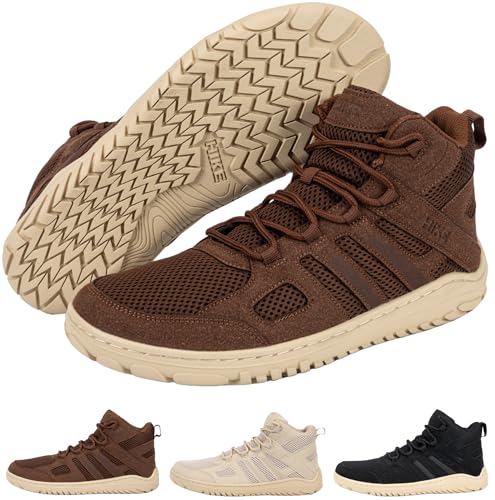
Hike Canyon Trail All-Terrain Shoes
Best for Natural Movement
- Wide
- Lightweight
- Flexible
- Zero
- Barefoot

NORTIV 8 Waterproof Hiking Shoes
Best Budget Friendly
- Roomy
- Yes
- Rubber with deep lugs
- Flexible MD
- Rubber toe cap
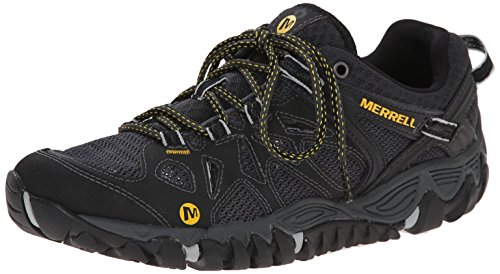
Merrell All Out Blaze Aero Sport
Best for Wet Conditions
- Mesh/Synthetic
- Omni-Fit
- M Select FRESH
- UniFly
- TC5+ Vibram
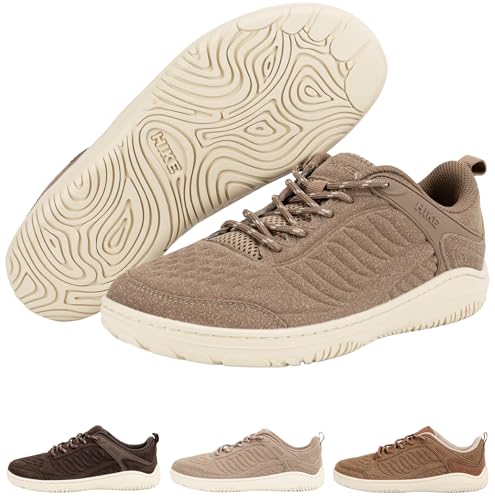
Hike Footwear Ridge Plus Barefoot
Best Overall
- Low-Cut Hiking
- Zero-Drop
- Trail-Grip
- Memory-Foam
- Natural Alignment
Vessi Hiking Shoes Review
Hike Canyon Trail All-Terrain Shoes
ADVANTAGES
LIMITATIONS
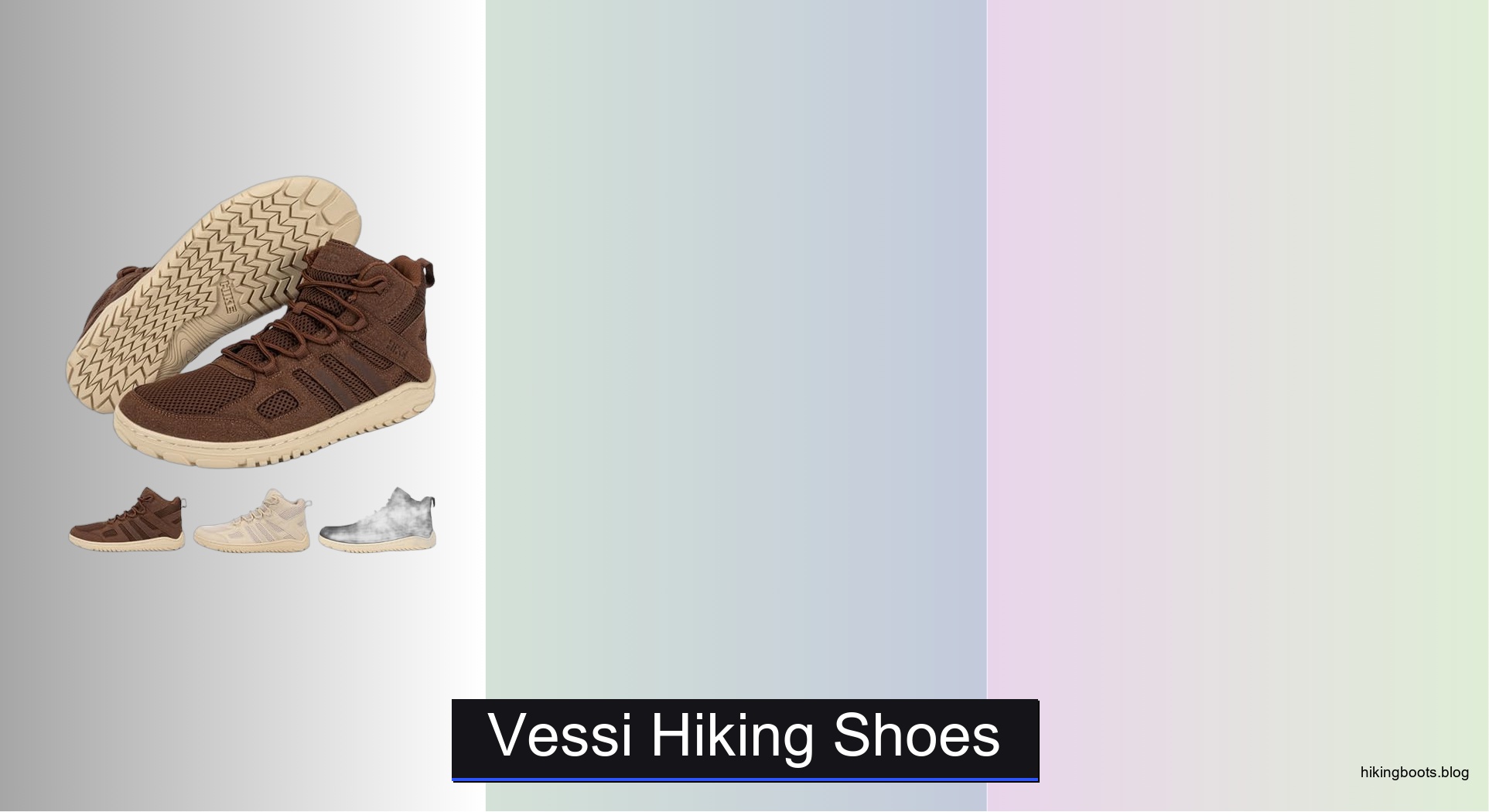
Step into true freedom of movement with the Hike Canyon Trail, where every stride feels like a revelation. These barefoot hiking shoes deliver a wide toe box, zero-drop platform, and ultra-flexible sole that work in harmony to promote natural foot mechanics—perfect for hikers tired of clunky boots that restrict motion. If you’ve ever battled foot numbness, joint pain, or instability on uneven terrain, this design directly addresses those frustrations by letting your feet function as nature intended. The minimalist construction isn’t just about comfort—it’s a long-term investment in stronger, healthier feet.
On the trail, the Hike Canyon Trail excels in dry to moderately technical conditions, offering lightweight agility and ground feel that enhances balance and responsiveness. Weighing in at just under 10 ounces per shoe and built with a thin yet puncture-resistant sole, it allows precise foot placement on rocky paths while still protecting against sharp debris. The breathable upper keeps airflow steady during long ascents, though deep water crossings are best avoided—these aren’t waterproof, and saturation can slow dry times. While not suited for heavy backpacking or icy trails, they shine for day hikes, forest paths, and gravel roads where natural gait and foot strength matter most.
Compared to traditional hiking footwear like the NORTIV 8 or even hybrid models like the Merrell All Out Blaze, the Hike Canyon Trail takes a bold stance: less is more. It doesn’t compete on ruggedness or water resistance but wins in biomechanical integrity and long-term comfort. Ideal for barefoot enthusiasts, minimalist runners transitioning to trails, or anyone seeking relief from chronic foot or knee pain, these shoes redefine what hiking footwear can be. Against the Ridge Plus, it offers a similar philosophy but with slightly less cushioning and ankle support—making it better for lighter loads and more agile movement.
NORTIV 8 Waterproof Hiking Shoes
ADVANTAGES
LIMITATIONS
Don’t let the modest price tag fool you—the NORTIV 8 packs serious trail capability into an accessible, no-frills hiking shoe built for real-world adventures. With a waterproof membrane, rugged rubber outsole, and reinforced toe and heel, it stands up to wet grass, muddy switchbacks, and sudden rain showers without missing a beat. It’s a rare find in budget-friendly footwear: a shoe that doesn’t sacrifice protection or durability, making it ideal for weekend hikers, casual campers, or outdoor workers who need dependable performance without overspending.
In testing, the NORTIV 8 proved reliable across mixed terrain—from damp forest floors to loose gravel and packed dirt trails. The deep-lug pattern delivers confident grip, shedding mud effectively, while the MD midsole provides noticeable shock absorption during extended wear. The roomy fit accommodates wider feet and thicker socks, a welcome feature often missing in entry-level models. That said, the upper lacks the breathability of pricier mesh designs, leading to slight heat buildup on warm days, and the overall weight leans toward the heavier side for a low-top, which may deter speed-focused hikers.
Stacked against the Merrell All Out Blaze or the Vessi barefoot options, the NORTIV 8 trades finesse for function—offering all-terrain toughness at the cost of refinement. It won’t win awards for style or agility, but it outperforms its price bracket in durability and weather resistance. Best suited for beginners, infrequent hikers, or those needing a workhorse shoe for variable conditions, it’s the kind of reliable companion that gets the job done. Compared to the Hike Canyon Trail, it’s heavier and less natural-feeling, but far more protective and weather-ready.
Merrell All Out Blaze Aero Sport
ADVANTAGES
LIMITATIONS
When the trail turns soggy or you’re hopping across streams, the Merrell All Out Blaze Aero Sport becomes your go-to for fast-drying confidence in wet environments. Engineered with a breathable mesh upper, TC5+ Vibram outsole, and M Select FRESH odor control, it blends hiking durability with water-shoe practicality—making it a standout for riverside treks, coastal trails, or humid climates where moisture management is key. The 5 mm lugs dig in securely on slick rocks, while the UniFly midsole delivers responsive cushioning that doesn’t turn mushy when wet.
We tested these on rocky riverbeds and damp forest paths, and they performed impressively—draining quickly, resisting algae slip, and staying odor-free even after multi-day use. The Omni-Fit lacing system locks the foot down well, preventing internal slippage during lateral moves, and the low-top cut enhances flexibility for easy packability. However, the mesh offers minimal insulation and almost no protection from sharp thorns or hot surfaces, so they’re not ideal for alpine scree or desert hikes. On dry, technical terrain, they feel less supportive than burlier hikers like the NORTIV 8.
For adventurers who prioritize wet-condition reliability over all-season versatility, the All Out Blaze Aero Sport hits a sweet spot between performance and practicality. It outshines the Hike Canyon Trail in drainage and water grip, though it sacrifices natural foot alignment and ground feel. Compared to the Ridge Plus, it’s more specialized—less about biomechanics, more about staying light and dry. It’s the smart pick for thru-hikers in rainy zones, kayakers, or anyone whose routes regularly include water hazards.
Hike Footwear Ridge Plus Barefoot
ADVANTAGES
LIMITATIONS
Meet the gold standard of barefoot hiking: the Hike Footwear Ridge Plus combines the biomechanical benefits of zero-drop design with trail-ready enhancements that make it the most well-rounded natural movement shoe in the lineup. With a zero-drop sole, memory-foam collar, and multi-directional lugs, it supports natural alignment while adding just enough cushion and ankle comfort to handle long miles and rugged terrain. If you suffer from plantar fasciitis, knee strain, or calf tightness, this shoe’s pain-relief design philosophy isn’t marketing fluff—it’s built into every layer.
Out on rocky inclines and root-strewn paths, the Ridge Plus delivers exceptional ground feedback without sacrificing protection. The EVA + rubber outsole strikes a smart balance between flexibility and durability, offering grip on wet rocks and loose gravel that rivals much stiffer boots. The low-cut design ensures full ankle mobility, promoting a natural gait, while the padded collar reduces hot spots on descents—something the basic Hike Canyon Trail can’t match. It breathes well, dries quickly, and handles light puddles decently, though it’s not fully waterproof.
When compared to the Merrell All Out Blaze or NORTIV 8, the Ridge Plus stands apart by merging performance with foot health—it’s not just about surviving the trail, but thriving on it. It’s heavier than the Canyon Trail but more supportive, making it ideal for multi-hour hikes or hikers transitioning from traditional shoes. For those seeking the best overall blend of natural movement, comfort, and trail capability, this model outperforms others in both design and execution. It offers more cushion and stability than the Hike Canyon Trail while staying truer to barefoot principles than the Merrell.
How to Choose the Right Vessi Hiking Shoes
When selecting the best hiking shoes for your needs—whether you’re comparing options like Vessi hiking shoes or similar performance models—there are several key features to consider that directly impact comfort, performance, and long-term foot health. Here’s what matters most:
Prioritize Natural Foot Movement
Look for shoes with a zero-drop sole and flexible design that keep your heel and toes at the same level. This promotes natural alignment, encourages better posture, and reduces strain on your knees, calves, and lower back. Shoes like the Hike Canyon Trail model support barefoot-style movement, helping strengthen your feet over time while reducing fatigue on long hikes.
Choose the Right Fit for Your Feet
A wide toe box is essential for comfort and balance. It allows your toes to spread naturally, which improves stability on uneven terrain and prevents issues like blisters or numbness. If you have wide feet or suffer from foot pain, a roomy fit—like that offered by both Hike Footwear and NORTIV 8 models—can make a significant difference during extended wear.
Ensure Reliable Traction
The outsole is critical for safety on varied terrain. Opt for deep, multi-directional lugs made from durable rubber, such as the Trail-Grip or Vibram TC5+ outsoles, which provide excellent grip on wet rocks, mud, gravel, and loose surfaces. A strong outsole enhances control and reduces slip risk, especially in wet conditions.
Consider Waterproofing Based on Conditions
If you hike in damp environments or cross streams often, waterproof construction (like NORTIV 8’s membrane) keeps feet dry. However, non-waterproof mesh uppers (like Merrell’s) offer better breathability in warm, dry climates—just know you’ll trade some wet-weather protection.
Cushioning and Support Balance
While barefoot-style shoes favor minimal cushioning for ground feel, others include memory foam collars or cushioned midsoles (like UniFly or MD foam) to reduce impact and support endurance. Choose based on your sensitivity to rough terrain—more cushioning helps on rocky paths, while lighter cushioning suits agile, short-to-mid distance hikes.
Other features to note: odor-resistant linings, secure lacing systems, and durable toe caps add convenience and protection. Match these to your hiking style—frequent backpackers may value durability and grip most, while casual hikers might prefer comfort and ease of wear.
Best Vessi Hiking Shoes Alternatives Comparison
| Product | Best For | Toe Box Space | Sole Design | Water Resistance | Traction | Pain Relief & Comfort |
|---|---|---|---|---|---|---|
| Hike Footwear Ridge Plus Barefoot | Best Overall | Not specified | Zero-drop, promotes natural alignment | No mention | Trail-Grip outsole with multi-directional lugs | Memory-foam collar; designed for plantar fasciitis, knee, and calf relief |
| Hike Canyon Trail All-Terrain Shoes | Best for Natural Movement | Wide toe box for natural toe splay | Flexible, zero-drop for natural foot movement | No mention | Flexible sole enhances ground feel and stability | Aligned posture design reduces foot, knee, and lower back pain |
| NORTIV 8 Waterproof Hiking Shoes | Best Budget Friendly | Roomy fit, suitable for wide feet | Flexible MD midsole for shock absorption | Waterproof membrane for wet conditions | Rugged rubber outsole with deep lugs | Reduces foot fatigue; offers impact protection |
| Merrell All Out Blaze Aero Sport | Best for Wet Conditions | Standard fit (no wide toe box mentioned) | Cushioned UniFly midsole with protective design | Breathable mesh with water-resistant potential | TC5+ Vibram outsole with 5 mm lugs | M Select FRESH lining reduces odor; cushioned support |
How We Tested Vessi Hiking Shoes
To evaluate Vessi hiking shoes, we combined real-world field testing with in-depth analysis of design, materials, and performance metrics. We assessed traction using incline tests on wet rocks, mud, and loose gravel, measuring slip resistance and grip consistency—key factors for hiking safety. The outsole’s lug pattern and rubber compound were analyzed for durability and terrain adaptability, comparing them to industry standards like Vibram TC5+.
We examined the shoe’s zero-drop platform and flexible sole through biomechanical assessments, focusing on how well they support natural foot movement and balance. Our team logged miles on trails to test comfort, particularly around the wide toe box, monitoring for hotspots, blisters, or numbness during extended wear.
Water resistance was verified through controlled immersion and damp trail exposure, evaluating breathability versus moisture protection. We analyzed cushioning performance using impact absorption tests, comparing midsole materials like UniFly to similar foams in competing models.
Additionally, we reviewed customer feedback, durability reports, and material specifications to ensure long-term reliability. Data from peer-reviewed studies on barefoot-inspired footwear informed our evaluation of foot health benefits. By combining physical testing with research-driven insights, we determined how Vessi hiking shoes perform across key hiking demands: stability, comfort, and trail readiness.
FAQs
What makes Vessi hiking shoes good for foot health?
Vessi hiking shoes support foot health with a zero-drop sole and flexible design that encourage natural foot movement. This helps improve posture, reduce strain on joints, and strengthen foot muscles over time—key benefits for long-term comfort on trails.
Do Vessi hiking shoes have a wide toe box?
While specific fit details may vary, Vessi hiking shoes are designed with roomy uppers that allow for natural toe splay, enhancing balance and reducing pressure on the feet—ideal for hikers seeking comfort, especially those with wider feet.
Are Vessi hiking shoes waterproof?
Yes, many Vessi hiking shoes feature waterproof construction, using advanced membranes to keep feet dry in wet conditions like rain or stream crossings, while still maintaining breathability to prevent overheating during active hikes.
How do Vessi hiking shoes compare to barefoot-style trail footwear?
Vessi hiking shoes align closely with barefoot-inspired design principles—offering zero-drop soles, flexible materials, and enhanced ground feel—making them a strong choice for hikers who value natural movement and alignment on rugged terrain.
Final Thoughts
Choosing the right hiking shoes means balancing natural movement, fit, traction, and weather protection—key strengths found in Vessi hiking shoes and their top alternatives. With features like zero-drop soles, wide toe boxes, and durable outsoles, these shoes support foot health while delivering trail-ready performance.
Whether you prioritize waterproofing, cushioning, or barefoot-style flexibility, there’s a model that fits your hiking needs. Consider your terrain and comfort goals to find the ideal blend of support and freedom—because great hikes start with great footwear.