How Merrell Hiking Boots Fit: Sizing Guide
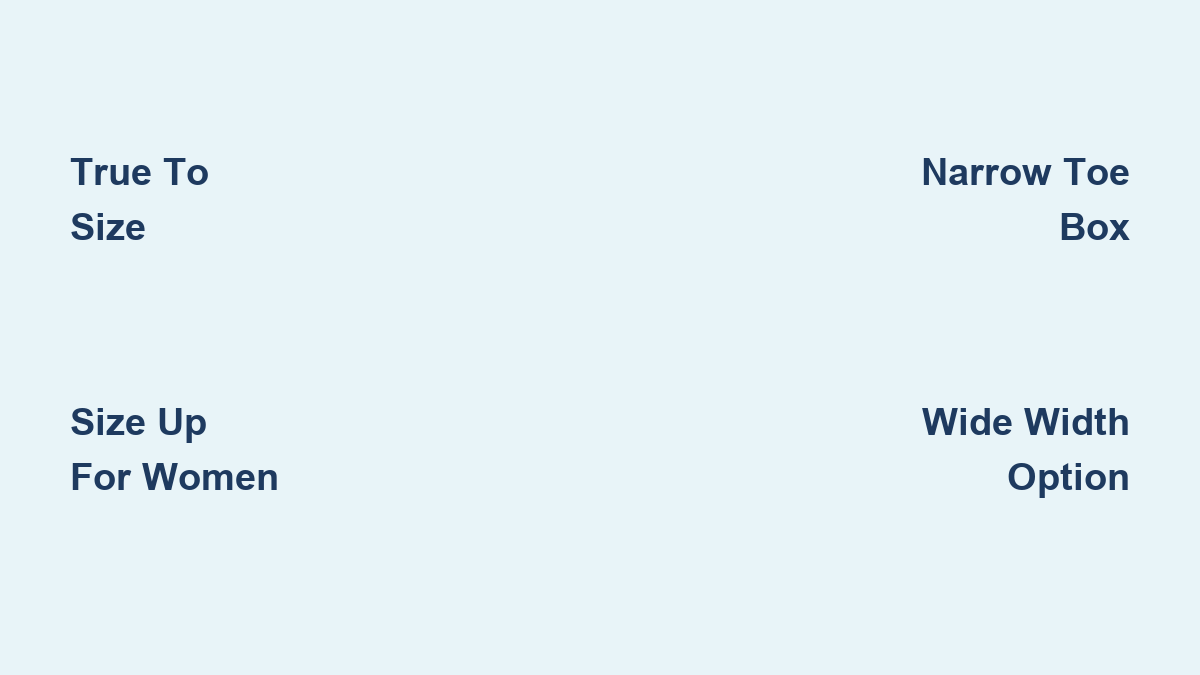
If you’ve ever stood in a store or scrolled online wondering, how do Merrell hiking boots fit?, you’re not alone. The answer isn’t as simple as “true to size”—though that’s what the brand claims. In reality, Merrell’s fit depends on your gender, foot shape, sock thickness, and even the specific model you’re considering. While many users praise Merrell for comfort right out of the box, others report needing to size up, down, or switch widths to avoid pain and blisters.
For men, Merrell boots typically fit true to size (TTS) with a street-shoe feel—especially if you have average to narrow feet. But women often find the same models run half to a full size small, particularly in newer releases like the Moab 3 and Antora Waterproof. The toe box can feel tight, even in wide versions, and some minimalist models like the Trail Glove are designed to hug the foot closely—sometimes too closely for wider forefeet.
This guide breaks down everything affecting Merrell fit: gender differences, width quirks, model-by-model insights, and expert tips to help you choose the right pair—without guesswork.
Men’s Fit: Usually True to Size
For most male hikers, Merrell delivers on its promise of a comfortable, true-to-size fit. If your feet aren’t unusually wide or narrow, ordering your regular shoe size is a safe bet.
Average to Narrow Feet Fit Well
Multiple verified users and former brand employees confirm that Merrell’s men’s sizing is consistent:
“For men, it runs TTS. Source: I used to work with the brand.” – mehuly24
“Always true to size for me.” – answerguru
Lab testing shows Merrell aligns with KEEN and Salomon—Men’s US 10 equals 280 mm, matching industry standards. This makes Merrell a reliable starting point if you’re familiar with other hiking brands.
Non-waterproof models like the Moab 2 Vent are especially praised for flexibility and breathability, offering immediate comfort with no break-in period required. Many users report wearing them straight from the store on long hikes without discomfort.
When to Consider Sizing Adjustments
Even with accurate sizing, certain factors may require a tweak:
– Wide feet: Opt for a wide (2E) version or size up ½
– Thick hiking socks: Add ½ size to prevent toe pressure
– Minimalist models (e.g., Trail Glove): Some prefer a snugger fit and size down for better trail control
Despite variations, most men experience immediate comfort, especially in non-waterproof styles. The flexible mesh-leather uppers and M-Select FIT ECO+ cushioning make these boots ideal for daily wear and moderate trails.
Women’s Fit: Often Runs Small
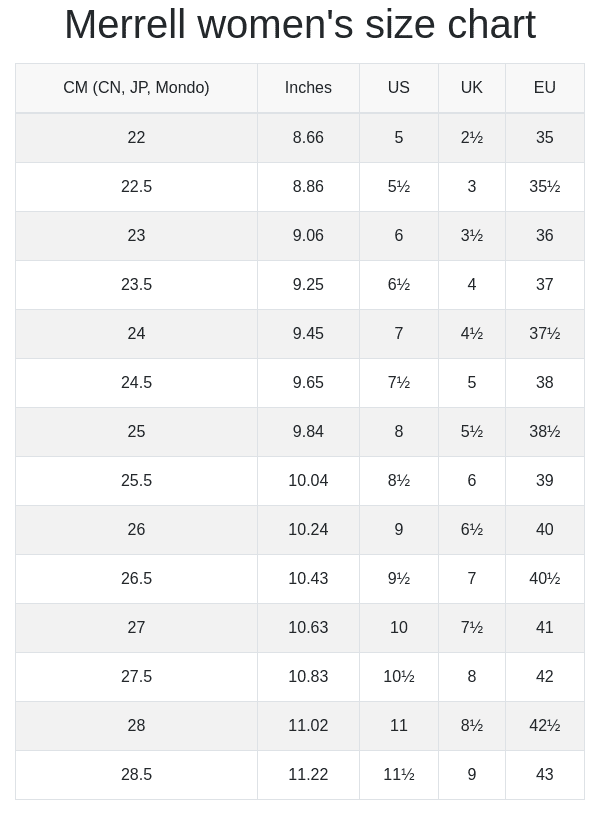
While Merrell designs women’s boots on gender-specific lasts—accounting for narrower heels, higher insteps, and longer toes—many female wearers say the fit has shifted in recent years.
Sizing Up Is Common
Multiple users report needing to go up:
“I wear a size 12 in 98% of all shoes… in the Merrell Moab 3, I had to get a size 13.” – timismee
“Same here. I’m starting to buy a full size larger.” – sabrinahughes
The Moab 3 is frequently cited for this issue. Even women who previously wore their normal size now find the boot too tight, especially in the midfoot and toe box. Possible reasons include:
– Changes in last design
– Reduced internal volume in waterproof variants
– Narrow heel relative to ball width
This shift means older reviews may no longer reflect current sizing—always check recent feedback before buying.
Women’s Width Options Are Limited
Merrell offers D-width in women’s (vs. standard B/C), but some users say it’s not enough:
“Got a 9 wide… Nope. Pinches my big toes.” – MotownCatMom
Even with wide options, consider sizing up ½ size for added toe room. This combo—wide width + half size up—is often the sweet spot for those with broad forefeet or bunions.
Toe Box and Width: Often Narrow

One of the most consistent complaints across genders is that Merrell boots feel tight in the forefoot, especially during long hikes when feet swell.
Narrow Forefoot Design
Multiple users describe Merrells as:
“Narrow and small to true to size.” – OhMorgoth
“They run right to size, but a bit narrow.” – SnowblindAlbino
This narrowness is most noticeable in the toe box, where feet can feel compressed. It becomes a problem when wearing thick socks or hiking downhill—leading to toe jamming and blackened toenails.
Minimalist Models Feel Snug
Shoes like the Vapor Glove and Trail Glove are designed for a barefoot feel. They should be snug but not painful:
– Allow thumbnail’s width (¼ inch) of space at the toe
– Hug the foot without restricting toe splay
– Size up ½ if toes feel pinched
Despite the close fit, these models should never cause blisters or numbness. If they do, the size or width is likely wrong.
Model-Specific Fit Guide
Fit varies significantly across Merrell’s lineup. Here’s what real users say about key models.
Moab 3: Roomy Yet Runs Small for Women
- Men: True to size, wide toe box, excellent cushioning
- Women: Often need to size up ½ to 1 full size
- Non-waterproof version: More breathable, slight stretch over time
- Waterproof version: Stiffer, less internal volume
Despite its reputation for comfort, the Moab 3 has faced criticism for recent sizing changes, making older reviews less reliable.
Antora Waterproof: Size Up for Comfort
- Tends to run small due to waterproof membrane reducing space
- Users report needing ½ size up for proper fit
- Good traction and support, but narrow midfoot
Ideal for wet conditions, but don’t skip trying it on with hiking socks.
Wrapt: Runs Large
- Opposite of most Merrells—this model runs big
- May require sizing down ½ size
- Designed for trail-to-trailhead versatility
A rare exception in Merrell’s typically snug lineup.
Accentor 3: Snug, Precise Fit
- Some users prefer smaller sizes for a locked-down feel
“Size 9 fit better than 9.5 or 10.” – twinjmm
- Minimal stretch, so fit is exact from day one
- Best for those who dislike heel slip
Not ideal for wide feet unless wide version is available.
Trail Gloves & Vapor Gloves: Barefoot-Like Snugness
- Designed to mimic barefoot movement
- Should feel like a “second skin”
- No break-in needed, but must allow toe clearance
- Consider sizing up ½ if using on technical terrain
These are not for wide feet unless you go wide + up.
When to Size Up or Down
Knowing when to adjust your size can make or break your hiking experience.
Size Up If:
- You have wide feet or bunions
- You wear thick hiking socks
- You hike in cold weather (feet swell)
- You’ve had toe jamming in other Merrells
- You’re a woman buying a Moab 3 or waterproof Antora
“I always go up 1/2 size to get a toe box that fits right.” – SnowblindAlbino
Even with wide widths, adding ½ size can make a big difference in comfort.
Size Down If:
- You’re wearing minimalist models and want better control
- You have narrow heels and experience slippage
- You’re using thin socks in warm weather
- The Accentor 3 feels too loose in larger sizes
Only size down if you’re confident in your measurements—too tight can cause blisters or numbness.
Stick With True to Size If:
- You’re a man with average-width feet
- You wear standard socks
- You’re buying non-waterproof models
- You prioritize immediate comfort
Merrell’s out-of-box comfort means you shouldn’t need to “break in” most models.
Fit Testing: How to Try Merrell Boots
Don’t guess—test. Here’s how to ensure a perfect fit.
Measure Your Feet First
Use a Brannock device or ruler:
– Measure at end of day when feet are largest
– Check both length and width
– Compare to Merrell’s official size chart
Even if you know your size, feet change over time.
Wear the Right Socks
Try boots with the same socks you’ll hike in:
– Thin vs. thick
– Wool vs. synthetic
– Ankle vs. crew height
A 2 mm difference in sock thickness can turn a perfect fit into a tight squeeze.
Walk on Different Surfaces
Test indoors, then outside:
– Walk on incline to check heel slip
– Step on uneven ground to assess stability
– Jog lightly to feel toe clearance
Look for:
– Heel lift: More than 3–5 mm means too big
– Toe jam: Toes hitting front on downhill = too small
– Pressure points: On top of foot or sides = poor width fit
Bring Your Insoles
If you use orthotics, bring them:
– Remove factory insole if needed
– Ensure there’s no crowding in the midfoot
Kinetic Fit insoles are supportive, but some prefer custom ones.
Break-In: Most Merrells Need None
Unlike traditional hiking boots, Merrells are built for immediate comfort.
Ready to Hike Out of the Box
The Moab line is legendary for zero break-in:
“They were always an exact fit with my shoe size.” – [deleted]
Features that help:
– Flexible mesh-leather uppers
– M-Select FIT ECO+ cushioning
– Air Cushion in heel for shock absorption
Waterproof Models May Need 2–3 Hikes
Gore-Tex-lined boots like the Antora can feel stiffer initially. Wear them on short walks first to let the materials conform.
Avoid forcing a break-in—discomfort shouldn’t be expected.
Durability: Soles Wear Fast
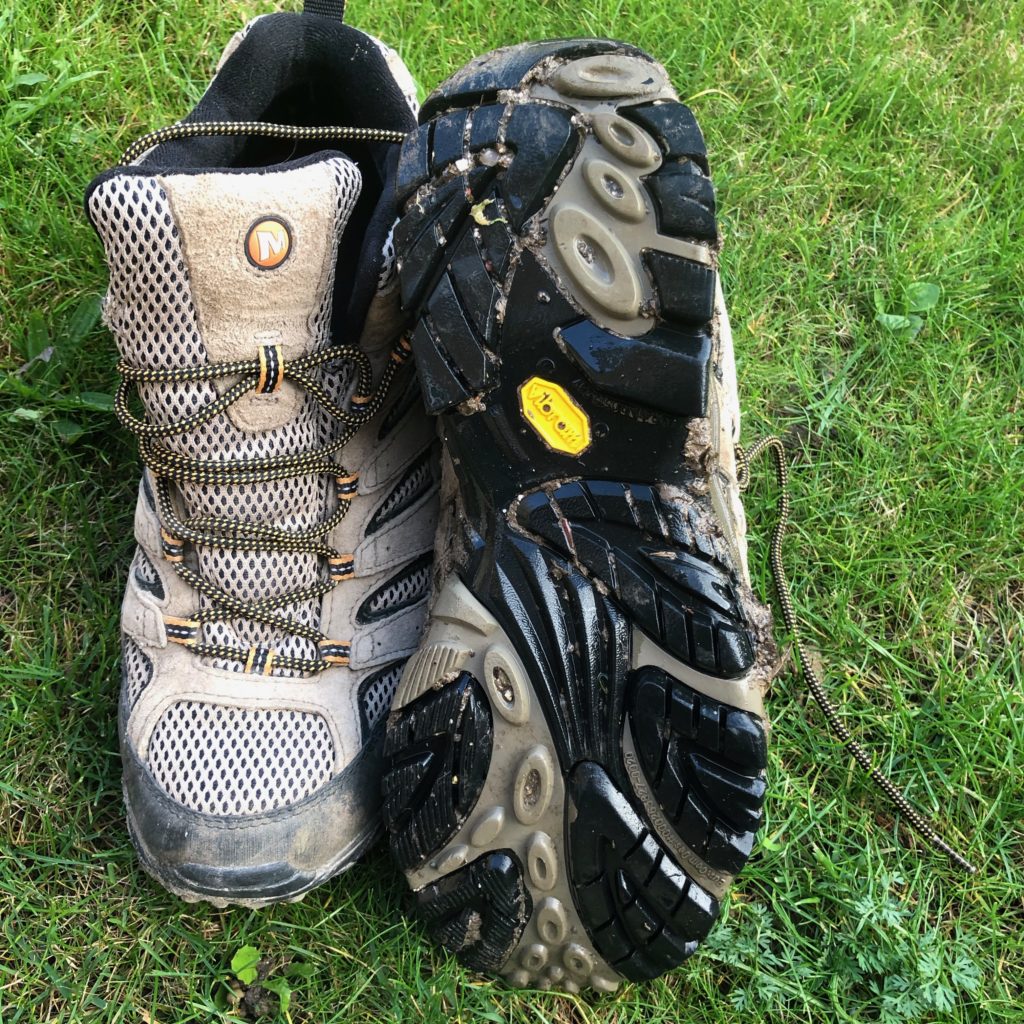
Comfort comes at a cost: sole longevity.
Average Life: 300–500 Miles
Even with Vibram soles, Merrells wear faster than premium brands:
“I walk 10km/day and bin perfect-looking shoes with soles worn through.” – nasanu
Common complaints:
– Soles shred on pavement
– Treads flatten after moderate trail use
– Annual replacement needed for daily walkers
Better Alternatives for Longevity
Brands like Asolo, Lowa, Scarpa, Zamberlan offer:
– Replaceable soles
– Sturdier construction
– Multi-year durability
“I’ve switched to Asolo… haven’t worn anything out yet.” – AnonymousMushroom123
Merrell excels in comfort, not long-term ruggedness.
Unisex and Sandal Sizing
Not all Merrell footwear follows standard sizing.
Unisex Models Use Men’s Sizing
- Women should size down 1.5 sizes
- Women’s 8.5 → Unisex 7
- Based on Merrell’s official conversion chart
- Applies to trail runners and some hiking shoes
Always double-check the product page for gender-specific guidance.
Sandals: Mostly True to Size
- Men: Order regular size
- Women: TTS, but limited width options
- Fit should allow slight heel lift but secure forefoot strap
- Minimal stretch, so fit must be accurate day one
Final Note: Merrell hiking boots fit true to size for most men, but often run small for women, especially in newer models. They tend to be narrow in the forefoot, so consider wide widths or sizing up ½ for comfort. Fit varies by model—Moab 3 and Antora may need adjustments, while Accentor 3 fits snug. Test with your socks and insoles, prioritize immediate comfort, and be ready to exchange if needed. For best results: measure your feet, consult the size chart, and buy from retailers with free returns.