Why Hiking Boots Matter for Trail Safety and Comfort
If you’ve ever cut a hike short because of sore feet, blisters, or an ankle twist, the problem likely started with your shoes. Hiking boots are important because they’re specifically designed to handle the physical demands of the trail—far beyond what regular sneakers or casual footwear can manage. Unlike everyday shoes, hiking boots provide critical ankle support, rugged protection, and superior grip on unpredictable terrain. They’re engineered to keep your feet dry, stable, and pain-free, whether you’re navigating rocky switchbacks, muddy river crossings, or steep alpine descents. Without proper hiking boots, even a short trek can turn into a painful, dangerous experience. In fact, many experienced hikers say, “Happy feet equal happy hikers.” This article breaks down exactly why hiking boots matter, how they prevent injuries, enhance performance, and what to consider when choosing the right pair for your adventures.
Boost Ankle and Foot Support
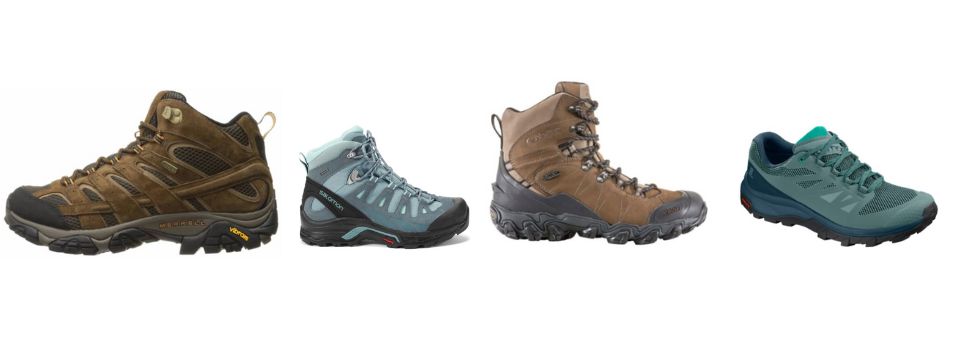
Hiking boots are built to support your body where it needs it most—your feet and ankles—especially when the trail gets rough.
Prevent Ankle Injuries on Rugged Trails
Ankle rolls are one of the most common hiking injuries, and low-cut shoes offer almost no defense. High- and mid-cut hiking boots, however, wrap around the ankle to limit excessive side-to-side movement. This is crucial when stepping on loose rocks, descending steep slopes, or crossing uneven terrain. The reinforced structure helps maintain joint alignment, reducing the risk of sprains or long-term ligament damage. For day hikers, mid-cut boots offer a balance of mobility and protection. Backpackers and those tackling technical trails benefit from high-cut models that extend further up the calf, providing maximum stability under pressure.
Stabilize Feet Under Heavy Loads
Carrying a heavy backpack multiplies the strain on your feet with every step. Hiking boots combat this with stiff midsoles and torsional rigidity—meaning the sole resists twisting during lateral movements. This rigidity ensures that weight is evenly distributed across the foot, reducing stress on tendons, arches, and knees. Reinforced heel cups lock your heel in place, minimizing slippage that can cause blisters or misalignment. For backpackers hauling 30+ pounds, this structural support is non-negotiable for long-term comfort and injury prevention.
Prevent Common Hiking Injuries
The right hiking boots don’t just feel better—they actively stop injuries before they happen.
Stop Blisters Before They Start
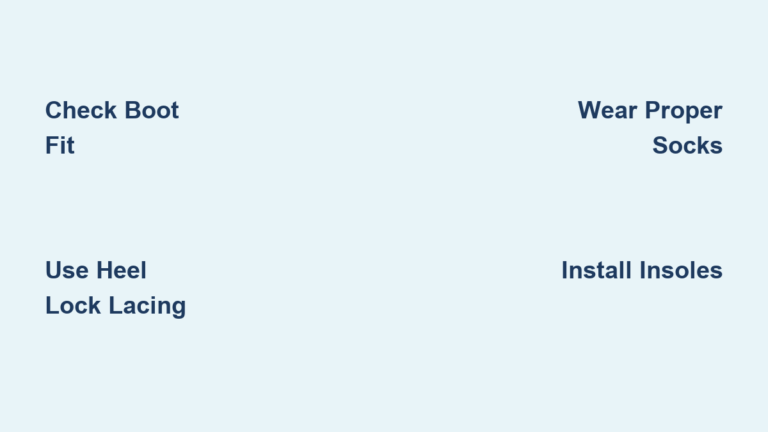
Blisters are the #1 foot complaint among hikers, and they’re usually caused by friction from ill-fitting shoes. Quality hiking boots prevent hot spots with secure heel locks, breathable uppers, and a precise fit. When paired with moisture-wicking socks—like merino wool—your feet stay dry, reducing the chance of skin breakdown. A properly fitted boot allows slight heel lift when standing flat but locks the foot down when walking downhill, preventing the constant rubbing that leads to painful blisters.
Protect Toes from Impact and Jamming
On long descents, your feet naturally slide forward, causing toes to slam into the front of the shoe. Over time, this leads to bruising, blackened toenails, or even toenail loss. Hiking boots solve this with reinforced toe caps and extra internal space—typically a half to full size larger than your regular shoes. This “wiggle room” accommodates foot swelling during long hikes and prevents repeated trauma, especially on multi-day treks.
Reduce Joint Strain and Fatigue
Cushioned midsoles made from EVA foam absorb shock with every step, reducing impact on knees, hips, and lower back. Arch support helps maintain natural foot alignment, preventing overpronation and conditions like plantar fasciitis. For hikers tackling elevation changes or long distances, this means less fatigue and a lower risk of chronic joint pain.
Deliver Superior Traction and Stability
Slipping on a wet rock or loose gravel can lead to serious falls—especially on exposed ridgelines or steep trails.
Grip Wet, Rocky, and Muddy Surfaces
Hiking boots feature aggressive outsoles with deep, multi-directional lugs made from high-traction rubber like Vibram®. These lugs bite into soft soil, mud, and rock, maintaining grip where flat-soled sneakers fail. Whether you’re ascending a slippery incline or crossing a stream, the tread pattern ensures consistent contact with the ground, even on algae-covered stones or loose scree.
Avoid Falls on Steep and Exposed Terrain
On narrow trails or exposed ledges, confidence comes from control. Hiking boots provide sticky rubber compounds and precise edging capabilities, allowing you to plant your foot firmly on small rock ledges. The stiff sole enhances balance, giving you the stability needed to navigate technical sections without fear of slipping.
Match Tread to Your Hiking Style
Not all trails demand the same outsole. Lightweight trail runners have shallow lugs for speed on dry, packed paths. Backpacking boots feature deeper, widely spaced lugs that shed mud and maintain grip under heavy loads. Mountaineering boots go further with rigid soles compatible with crampons for snow and ice travel.
Shield Against Environmental Hazards

Hiking exposes your feet to far more than just dirt—boots act as a protective barrier.
Block Water and Keep Feet Dry
Many hiking boots include waterproof membranes like Gore-Tex® or use full-grain leather to repel rain, snow, and stream crossings. While no boot stays dry forever, these materials significantly extend dry time compared to soaked-through sneakers. Just remember: waterproofing reduces breathability, so choose based on climate—avoid Gore-Tex in hot, dry deserts.
Resist Sharp Objects and Abrasion
Roots, rocks, and thorns are constant trail threats. Hiking boots defend with rugged uppers made from full-grain leather, ballistic nylon, or synthetic overlays. Reinforced toe guards deflect impacts, while abrasion-resistant materials withstand scrapes against cliffs or rough terrain.
Defend Against Insects and Debris
Open footwear like sandals leaves feet vulnerable to ticks, ants, and stinging plants. Hiking boots cover the entire foot and lower ankle, creating a physical barrier. Gaiters can be added for extra protection in tick-prone or snowy areas.
Enhance Comfort Over Long Distances
Comfort isn’t optional on 10-mile hikes—it’s essential for finishing strong.
Manage Moisture and Temperature
Even the best boots can trap sweat. Breathable synthetics allow moisture to escape faster than leather—ideal for hot climates. Waterproof boots excel in cold, wet weather but may cause sweaty feet in summer. Pair boots with moisture-wicking socks to regulate temperature and prevent fungal infections.
Fit Right to Avoid Pain
A perfect fit prevents blisters, numbness, and early turnarounds. Key signs of a good fit:
– Heel stays locked during downhill walks
– At least a thumbnail’s width between toes and boot tip
– No pinching across the ball of the foot or arch
– Room for thicker hiking socks
Try on boots at the end of the day when feet are naturally swollen, and walk on an incline if possible to simulate real trail stress.
Handle Heavy Loads and Tough Terrain
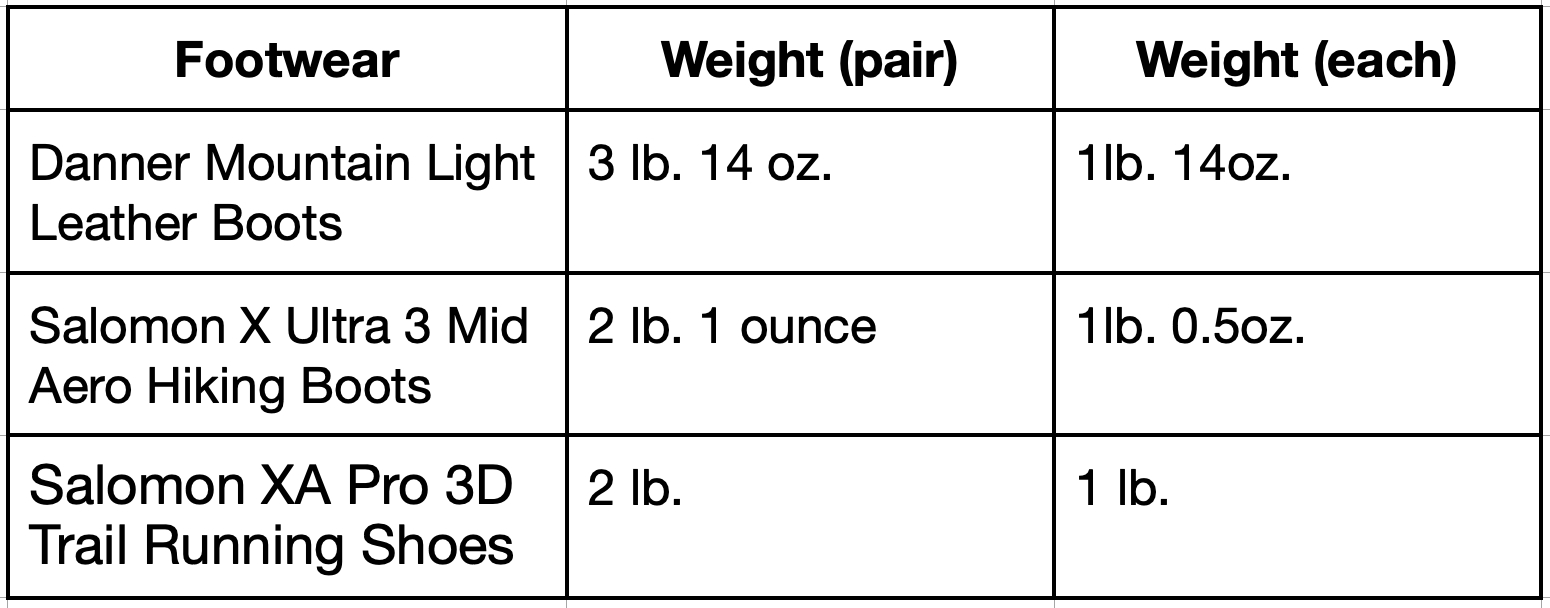
Your hiking style determines how much boot you need.
Carry Weight Without Foot Strain
Backpackers with 30+ pound loads need stiff-soled boots that distribute weight evenly. Flexible shoes collapse under pressure, leading to arch pain and plantar fasciitis. Hiking boots maintain structural integrity, reducing strain and improving endurance.
Navigate Technical and Off-Trail Routes
For scrambles, boulder fields, or bushwhacking, standard shoes fail. Mountaineering or expedition-grade boots offer rigid soles, ankle protection, and crampon compatibility—essential for alpine zones and glacier travel.
Choose Boots for Your Hike Type
| Hiking Type | Recommended Footwear | Key Benefits |
|---|---|---|
| Day Hiking | Lightweight shoes or trail runners | Breathable, flexible, quick-drying |
| Backpacking | Mid- to high-cut hiking boots | Supportive, durable, weather-resistant |
| Technical Hiking | Mountaineering boots | Rigid soles, crampon-ready, insulated |
Avoid the Risks of Wrong Footwear
Wearing the wrong shoes isn’t just uncomfortable—it’s dangerous.
Why Trainers Fail on Trails
Running shoes lack the outsole depth, ankle support, and durable materials needed for hiking. They soak through in rain, wear out quickly on rocks, and offer zero protection from roots or sharp stones. As one hiker put it: “Hiking in trainers is a recipe for disaster.” The risk of ankle injury increases dramatically on uneven terrain.
Dangers of Sandals and Slippers
Sandals expose feet to cuts, insect bites, and bruising. With no heel retention or lateral support, they’re unstable on slopes. Slippers and dress shoes have smooth soles with no grip and collapse under minimal load—suitable only for paved paths.
Choose the Right Materials for Durability
Boot materials affect performance, lifespan, and comfort.
Full-Grain Leather: Built to Last
Leather boots are tough, naturally water-resistant, and mold to your foot over time. They last 500+ miles with proper care and excel in wet, rugged environments. Downsides? They’re heavier and require a break-in period.
Synthetic Boots: Lightweight and Fast-Drying
Synthetic materials are lighter, cheaper, and dry faster than leather. Great for day hikes or warm climates, but less durable under constant abrasion or UV exposure. Ideal for budget-conscious or minimalist hikers.
Waterproof Membranes: Stay Dry, But Breathe Less
Gore-Tex® and similar liners keep water out while letting sweat escape—in theory. In hot weather, they can trap heat and make feet sweatier than non-waterproof boots. Use them in cold or wet conditions, not desert hikes.
Extend Boot Lifespan with Proper Care
Even the best boots wear out—unless you maintain them.
Clean and Condition After Every Hike
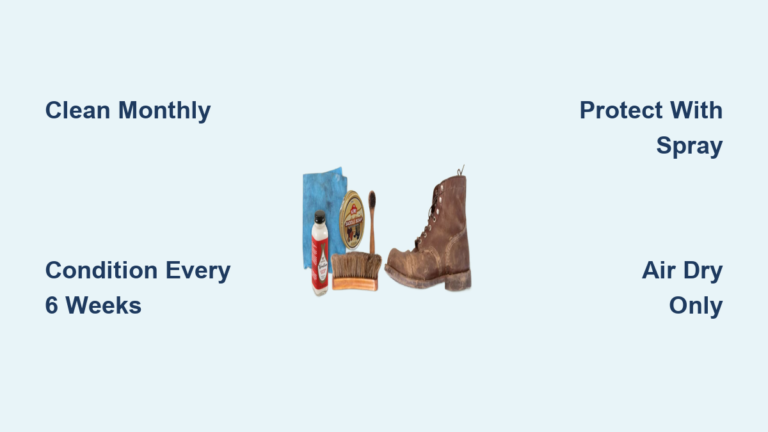
Remove dirt and mud with a brush and lukewarm water. For leather boots, apply conditioner to prevent cracking. Let boots air dry away from direct heat.
Re-Waterproof When Needed
Over time, Durable Water Repellent (DWR) coatings fade. Reapply spray or wax treatments to restore water resistance, especially before wet-season hikes.
Know When to Replace
Signs your boots are done:
– Lugs are smooth or unevenly worn
– Midsole is compressed or cracked
– Uppers are stretched or delaminated
– Heel support feels loose
Most boots last 300–800 miles, depending on use and care.
Real-World Lessons from Experienced Hikers
Hikers consistently report that footwear makes or breaks a trip.
One backpacker described slipping repeatedly on switchbacks during a 16-mile descent on the Rae Lakes Loop—all due to worn-out boots with no grip. Another said blisters from ill-fitting shoes forced an early turnaround, ruining a planned summit. The consensus? “Happy feet equal happy hikers.”
Experts recommend:
– Testing new boots on short hikes before long trips
– Buying from retailers with generous return policies (like REI’s 1-year guarantee)
– Investing in quality—cheap boots often cost more in discomfort and replacements
Pick the Best Boot for Your Needs
Top Boot Examples by Use Case
- Grisport Quatro Brown Hiking Boot: Durable full-grain leather, ideal for heavy backpacking and wet conditions
- Dartmoor Black Walking Shoe: Lightweight, affordable, great for day hikes and casual treks
Where to Buy and Test
Outdoor retailers like REI offer expert fitting, in-store ramps for testing, and return flexibility. Prices range from $80 for entry-level synthetics to $300+ for premium mountaineering models.
Final Note: Hiking boots are important because they protect, support, and empower you on the trail. They prevent injuries, enhance comfort, and allow you to tackle challenging terrain with confidence. Whether you’re day hiking or trekking for days, the right boots ensure your feet stay safe, dry, and pain-free—so you can focus on the beauty of the journey, not the ache in your soles.