Types of Hiking Boots: Trail Guide 2026
Choosing the right types of hiking boots can be the difference between a rewarding journey and a painful trek. With so many options—from nimble trail runners to rugged mountaineering monsters—finding the perfect pair means understanding how each type aligns with your hike’s demands. Your trail choice, pack weight, weather, and foot support needs all play a role in determining which boot will carry you safely and comfortably to the summit.
This guide breaks down every major category of hiking footwear, from ultralight shoes to heavy-duty alpine rigs. You’ll learn what defines each type, when to use them, and which models stand out in real-world performance. Whether you’re hiking a weekend trail or preparing for a thru-hike on the Pacific Crest Trail, matching your boot to your mission ensures every step counts—without costing you blisters or fatigue.
Hiking Shoes: Lightweight & Trail-Ready
Best for Short Hikes on Dry, Well-Maintained Trails
Hiking shoes are the go-to for fast, light adventures. They look like athletic sneakers but come built with trail-specific upgrades: grippy outsoles, rock-resistant midsoles, and durable uppers. Most are low-cut, offering freedom of movement and excellent breathability—ideal for warm weather and short distances.
Key Features:
– Weight: 1.5–2 lbs (0.7–0.9 kg) per pair
– Cut: Low-top (ankle flexibility)
– Flexibility: High
– Break-in Time: None
– Water Resistance: Common (Gore-Tex or quick-dry mesh)
When Should You Wear Hiking Shoes?
Opt for hiking shoes when:
– Hiking less than 5 miles on smooth trails
– Carrying a daypack under 20 lbs
– The weather is dry and warm
– You value speed and agility
Top Picks:
– Merrell Moab Speed 2 GORE-TEX – waterproof and supportive
– Xero Shoes Mesa Trail WP – minimalist with wide toe box
– Topo Athletic Magnifly 4 – zero-drop, natural-feel design
Pros and Cons
✅ Pros:
– Light and breathable
– Comfortable right out of the box
– Easy to pack for travel
– Great for hikers transitioning from running shoes
❌ Cons:
– Minimal ankle support
– Less protection from roots and rocks
– Not durable on rough or off-trail terrain
Pro Tip: Skip waterproof models unless hiking in wet climates. Non-waterproof hiking shoes dry faster and breathe better—critical for comfort on hot days.
Lightweight Hiking Boots: Support Meets Comfort
Ideal for Beginners and Weekend Hikers
Lightweight hiking boots offer more support than hiking shoes while remaining easy to wear. With mid-cut ankles and cushioned EVA midsoles, they provide stability on moderate trails without the bulk of heavier boots.
Key Features:
– Weight: Under 2.5 lbs (1.13 kg)
– Cut: Mid-ankle
– Midsole: EVA foam for shock absorption
– Break-in: 1–2 weeks
– Support: Moderate arch and ankle support
Who Should Choose Lightweight Boots?
These boots are perfect for:
– Casual hikers on gravel or dirt paths
– Day trips with light gear
– Warm-weather hikes
– Hikers new to backpacking
Top Models:
– Merrell Moab 3 Mid Waterproof – durable and affordable
– Columbia Crestwood Mid – budget-friendly with Omni-Grip outsole
– Lowa Renegade EVO GTX – premium comfort and fit
Why They Work
✅ Pros:
– Affordable and widely available
– Minimal break-in needed
– Less tiring on long walks
– Good traction on standard trails
❌ Cons:
– Not built for heavy packs
– Less protection on rocky or uneven ground
– Shorter lifespan on abrasive terrain
Expert Note: These boots shine on maintained trails but aren’t meant for off-trail scrambling or multi-day treks with heavy loads.
Midweight Hiking Boots: The All-Rounder’s Choice

Best for Backpacking and Technical Terrain
If you’re tackling multi-day hikes or rugged trails, midweight hiking boots are your best bet. They balance support, durability, and flexibility—offering enough stiffness to handle heavy packs while remaining agile on rocky descents.
Key Features:
– Weight: 2–3 lbs (0.9–1.4 kg)
– Cut: Mid to high-top
– Midsole: EVA or TPU for long-term durability
– Sole Stiffness: Moderate (Category B/C)
– Waterproofing: Common (Gore-Tex, eVent)
When to Choose Midweight Boots
Use these for:
– Weekend backpacking with 50–75L packs
– Rocky, uneven, or off-trail terrain
– Mixed weather (rain, mud, snow flurries)
– Hikers with weak ankles or past injuries
Top Picks:
– Salomon Quest 4 Gore-Tex – plush, secure fit
– Hoka Kaha 3 GTX – cushioned yet responsive
– La Sportiva Ultra Raptor II Mid GTX – aggressive grip for technical trails
Strengths and Trade-Offs
✅ Pros:
– Excellent ankle and arch support
– Durable on most backcountry trails
– Stable under load
– Waterproof and breathable options available
❌ Cons:
– Heavier than lightweight models
– Less breathable in heat
– May require break-in time
Pro Tip: Pair with merino wool socks to prevent blisters. Add gaiters in muddy or snowy conditions for extra protection.
Heavyweight Hiking Boots: Built for the Long Haul
Maximum Protection for Extreme Conditions
Heavyweight boots are the toughest in the lineup—designed for long treks, off-trail bushwhacking, and harsh environments. Made with full-grain leather and rigid soles, they deliver unmatched durability and load-bearing support.
Key Features:
– Weight: 3+ lbs (1.36+ kg), up to 4.2 lbs
– Cut: High-top (8+ inches)
– Midsole: Polyurethane (PU) or TPU
– Sole Stiffness: Very rigid (Category D)
– Break-in: Several weeks
– Waterproofing: Fully sealed with gusseted tongues
Ideal For:
- Long-distance backpacking (75–100L packs)
- Alpine or winter hiking
- Deep mud, snow, or river crossings
- Off-trail navigation
Top Models:
– Zamberlan 996 Vioz GTX – most durable, resoleable
– Asolo TPS 535 LTH Evo – legendary mountain performance
– La Sportiva Nepal Cube GTX – dual-purpose for trekking and climbing
Advantages and Drawbacks
✅ Pros:
– Maximum foot and ankle protection
– Built to last 500+ miles
– Energy-efficient on long hauls (rockered soles)
– Resoleable for extended life
❌ Cons:
– Heavy and tiring over time
– Poor breathability
– Long break-in period
– Expensive
Expert Insight: These boots are overkill for easy trails but essential for serious backcountry travel. Break them in gradually—never wear them on a 10-mile trek untested.
Backpacking Boots: Engineered for Heavy Loads

Designed for Stability and Endurance
Backpacking boots are a functional category within midweight and heavyweight boots, optimized for carrying heavy gear over multiple days. They feature stiff midsoles, reinforced heels, and high ankle support to reduce fatigue and prevent injury.
Key Features:
– Stiff shank (nylon or steel) for load transfer
– High-cut ankle for stability
– Reinforced toe and heel caps
– Often resoleable
Who Needs Them?
- Thru-hikers (AT, PCT, CDT)
- Hikers with ankle instability
- Those carrying 40+ lbs of gear
- Off-trail or steep terrain hikers
Top Models:
– Salomon Quest 4 Gore-Tex
– Zamberlan 996 Vioz GTX
– Lowa Explorer GTX Mid
Pro Tip: Look for a boot with a full-length shank—it helps transfer weight from your foot to the ground, reducing strain on arches and calves.
Mountaineering Boots: For Ice, Snow, and Altitude
Technical Performance in Alpine Zones
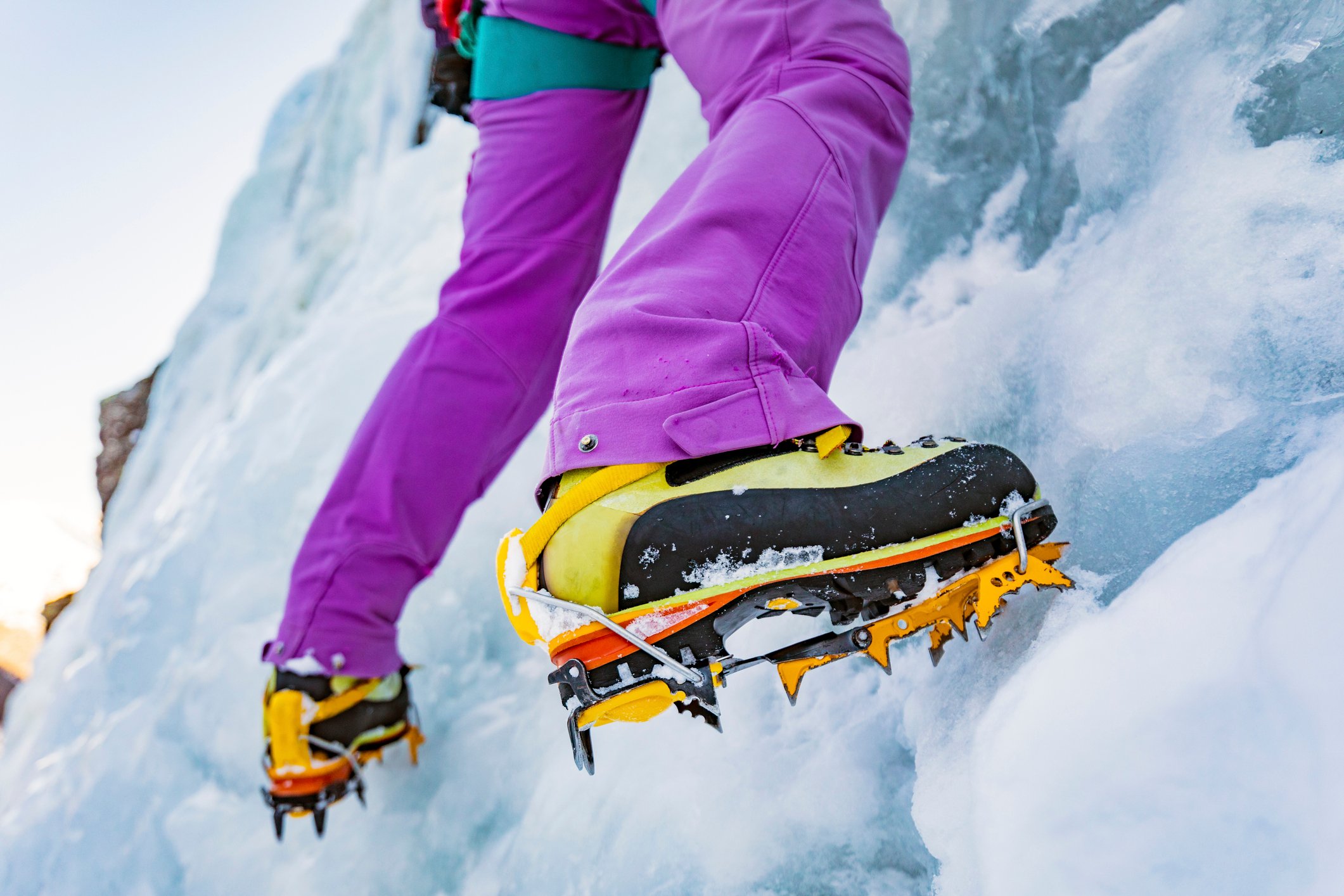
Mountaineering boots are built for survival in extreme cold and technical terrain. Rigid, insulated, and crampon-ready, they’re essential for glacier travel, ice climbing, and high-altitude ascents.
Key Features:
– Fully rigid soles (C3 crampon compatibility)
– Insulation (200g–800g Thinsulate)
– Waterproof and windproof membranes
– Reinforced toe caps for ice axe kicks
When to Use Them
- Alpine climbing (e.g., Denali, Rainier)
- Glacier crossings
- Winter mountaineering
- Technical ice routes
Top Picks:
– La Sportiva Nepal Cube GTX – hybrid trekking/mountaineering
– Scarpa Zodiac Plus GTX – warm and precise
– Plastic double boots – for extreme alpine conditions
Critical Safety Note: Only rigid-soled (C3) boots work with step-in crampons. Flexible boots are limited to strap-on models—unsuitable for steep ice.
Approach Shoes: The Climber’s Hiking Boot
Hybrid for Hiking and Scrambling
Approach shoes blend hiking durability with climbing sensitivity. They’re designed for hiking to climbing routes, offering sticky rubber soles and precise foot placement on rock.
Key Features:
– Sticky rubber (e.g., Vibram Megagrip)
– Flexible, low-profile design
– Abrasion-resistant uppers
– Excellent rock grip
Best For:
- Access hikes to climbing areas
- Scrambling Class 3–4 terrain
- Hikers needing agility and grip
Top Models:
– Arc’teryx Konseal AR
– La Sportiva TX Guide
– Five Ten Camp 4
Pro Tip: Use approach shoes when you need to climb short sections but don’t want to carry climbing shoes.
Trail-Running Shoes: Speed Over Support
Fast, Light, and Breathable
Trail runners are the lightest hiking option—ideal for fastpackers and ultralight hikers. They offer agility and comfort but little protection.
Key Features:
– Weight: 1–1.6 lbs (0.45–0.73 kg)
– Cut: Low-top
– Outsole: Aggressive lugs
– Break-in: None
Best For:
- Fast day hikes
- Dry, well-maintained trails
- Hikers with strong ankles
- Frequent river crossings (dry quickly)
Top Picks:
– Hoka Speedgoat 5
– Altra Lone Peak 7
– Brooks Cascadia 17
Expert Note: Avoid waterproof trail runners—they trap moisture and reduce breathability.
Minimalist Hiking Shoes: Natural Foot Movement
Zero Drop, Wide Toe Box, Flexible Soles
Minimalist shoes promote natural gait with little cushioning. They strengthen foot muscles over time but require adaptation.
Best For:
– Hikers with strong arches
– Low-impact trails
– Those seeking barefoot-like feel
Top Models:
– Xero Shoes Mesa Trail
– Altra Lone Peak Hiker 3
– Vivobarefoot Magna FG
Pro Tip: Transition slowly—start with short walks and build up.
Final Tips: Choose the Right Hiking Boot
| Hike Type | Best Boot Type |
|---|---|
| Day hike, easy trail | Hiking shoes or trail runners |
| Weekend backpacking | Midweight hiking boots |
| Long-distance trek | Heavyweight or backpacking boots |
| Alpine climb | Mountaineering boots |
| Scrambling to climb | Approach shoes |
| Hot, dry climate | Non-waterproof, breathable shoes |
Key Takeaways:
– Prioritize fit, support, and durability
– Match boot stiffness to pack weight
– Consider weather, terrain, and trail difficulty
– Invest in quality socks and gaiters
Your feet are your foundation. Choosing the right types of hiking boots ensures every step is safe, supported, and satisfying. Whether you’re hiking the Smokies or summiting a 14er, the right boot makes all the difference.