When to Replace Hiking Boots: Signs It’s Time for New Ones
You’ve climbed mountain passes, trudged through mud, and crossed knee-deep streams—all in the same trusted pair of hiking boots. But lately, something feels off. Your feet ache sooner. Your knees protest on descents. That familiar grip on slick rock just isn’t there anymore. It might not be your fitness—it could be your boots.
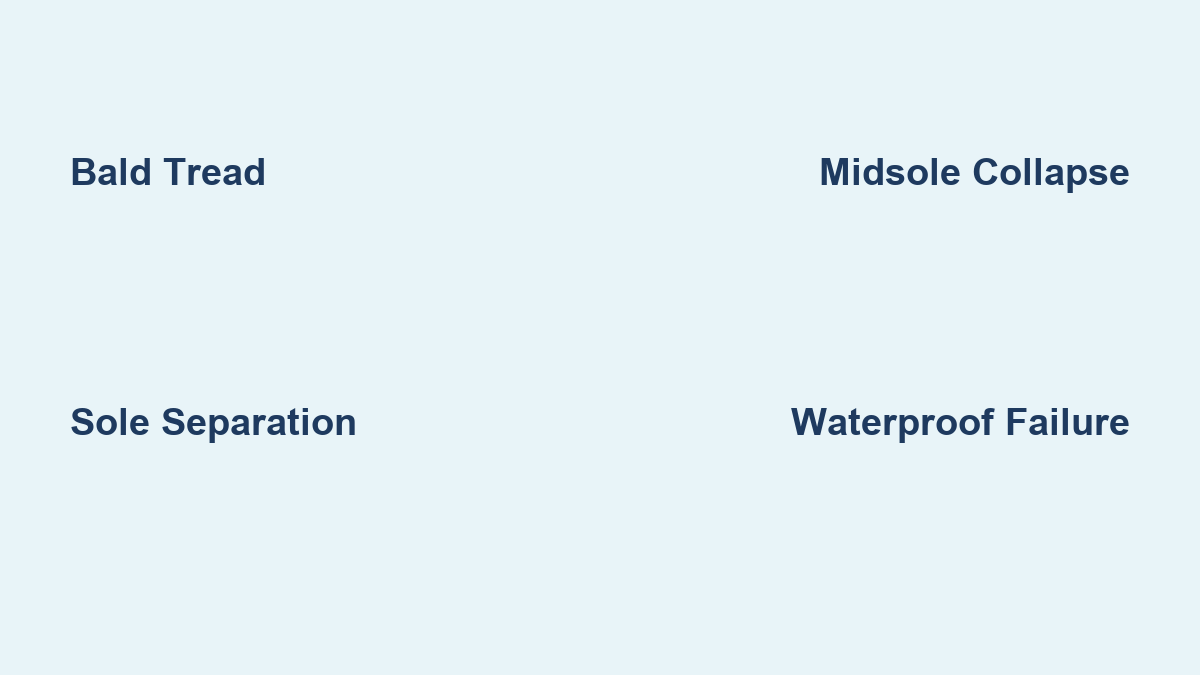
Knowing when to replace hiking boots is about more than comfort. Worn-out boots compromise stability, increase injury risk, and turn a rewarding hike into a painful slog. Unlike gear you can easily spot damage on—like a torn backpack or frayed rope—boot degradation is often invisible until it’s too late. The midsole collapses silently. The tread wears down gradually. The ankle support fades over time.
This guide breaks down the 10 unmistakable signs it’s time for a new pair, backed by real hiker experiences and technical insights. From tread wear to pain signals, waterproofing failure to structural deformation, you’ll learn how to test, assess, and decide—before your next trail trip becomes a hazard.
Check the Tread: Is Your Traction Gone?
Look for Bald or Flat Lugs
Your boot’s outsole is your lifeline on steep, wet, or rocky terrain. When the lugs—the rubber cleats on the bottom—wear down, so does your grip. If they’re smooth like a bald car tire, especially under the heel and ball of the foot, you’re one slippery rock away from a fall.
What to look for:
– Lugs flattened or rounded instead of sharp and defined.
– Uneven wear, which may indicate gait issues like overpronation.
– Increased slipping on descents or wet surfaces.
Quick test: Hold the boot at eye level and inspect from the side. Run your fingers over the tread. If it feels smooth or spongy, traction is compromised. Vibram® soles last longer, but even premium rubber wears out after heavy use.
Pro tip: Trail runners with soft, sticky rubber (like Altra or Saucony) wear faster than stiffer hiking boots. If you’re logging miles on abrasive trails, expect shorter tread life.
Test the Midsole: Is Your Cushioning Dead?
Press Your Thumb Into the Heel
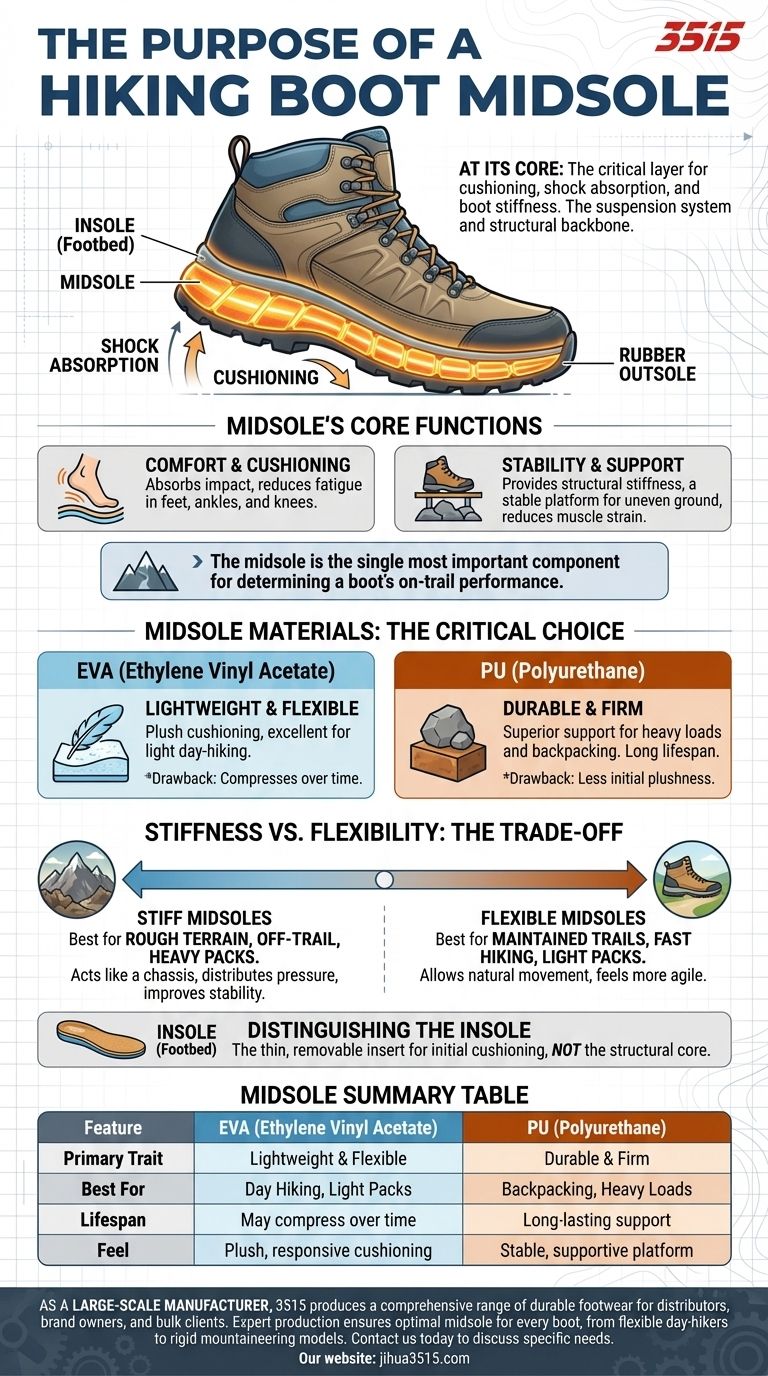
The midsole, usually made of EVA foam, absorbs impact with every step. When it compresses permanently, it stops protecting your joints—even if the boot looks fine on the outside.
Thumb press test:
1. Press your thumb firmly into the side of the midsole near the heel.
2. If it leaves deep wrinkles, feels mushy, or doesn’t spring back, the foam is spent.
3. A healthy midsole resists slightly and rebounds quickly.
Bend test: Flex the boot upward at the forefoot. If you see cracks in the midsole or the sole starts to separate, structural integrity is failing.
Why it matters: A collapsed midsole forces your feet, knees, hips, and lower back to absorb more shock. One hiker put it bluntly: “If you’re feeling the ground, your joints are next.” Pain after short hikes? That’s often the first red flag.
Watch for Sole Separation: Is the Bottom Coming Off?
Look for Gaps or Flapping
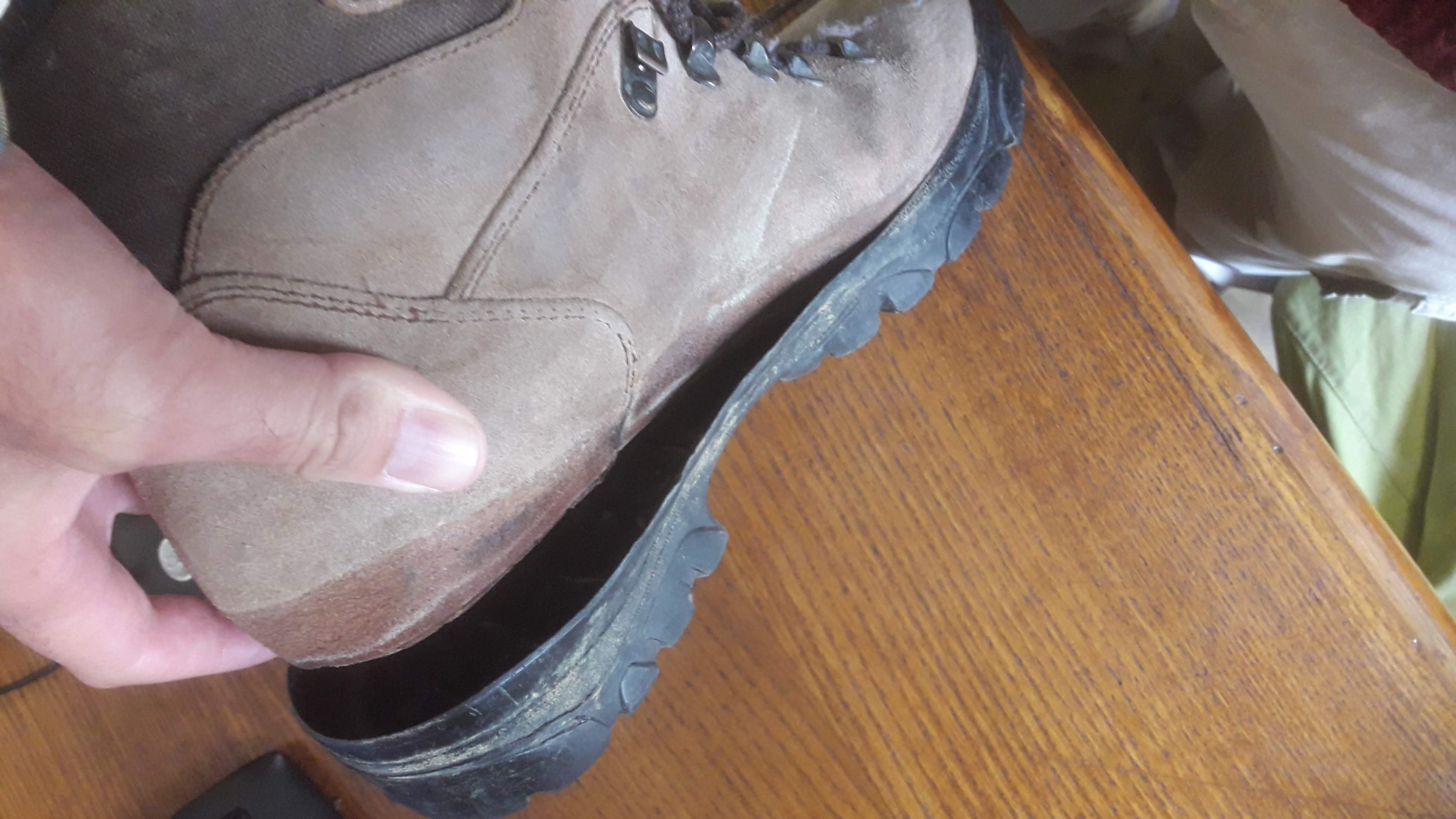
When the outsole detaches from the upper, especially along the edges, your boot is failing. This isn’t just cosmetic—it creates instability and raises the risk of ankle rolls.
Warning signs:
– A “flapping” sensation when you walk.
– Visible gaps between the sole and upper.
– Water, dirt, or small stones getting inside through the seam.
User story: “Last time was when the soles detached on a hike…so before then.” – Vitalalternate
Critical risk: Once separation starts, it worsens fast. If the upper is still intact, a cobbler might resole it. But if it’s happening mid-hike, it’s time to retire them.
Assess Waterproofing: Are Your Feet Getting Wet?
Notice When Water Gets In
Waterproof boots rely on membranes like Gore-Tex® and sealed seams. Over time, these degrade. If your feet get wet during light rain, damp grass, or creek crossings—and reapplying DWR spray doesn’t help—the membrane is likely breached.
Common failure points:
– Cracks in the upper or around the toe box.
– Worn laces that let water seep in.
– Delamination of layers or seam splits.
User insight: “My last pair started leaking. I got 6 more months with aquarium sealer.” – Cydok1055
Reality check: Temporary fixes like seam sealers can buy time, but once the membrane fails, full protection is gone. If you hike in wet climates, compromised waterproofing means it’s time to replace.
Replace Worn Insoles: Is Your Arch Support Gone?
Feel for Flattened or Crushed Cushioning
Insoles wear out faster than the boot itself. If your arches collapse, the heel cup is crushed, or your foot sinks into the shoe, support is gone—increasing risk of plantar fasciitis, blisters, or foot fatigue.
Check this:
– Remove the insole and inspect for cracks, pits, or deep body impressions.
– Press your thumb into the arch. If it doesn’t resist, it’s done.
Fix it: High-quality aftermarket insoles (like Superfeet or Oboz) cost $20–$60 and can extend boot life by years. One hiker said: “I just ordered replacement insoles and saved my comfy boots!”
Pro tip: Rotate insoles or air them out after hikes to slow wear.
Restore Ankle Support or Replace?
Check the Collar for Mushiness
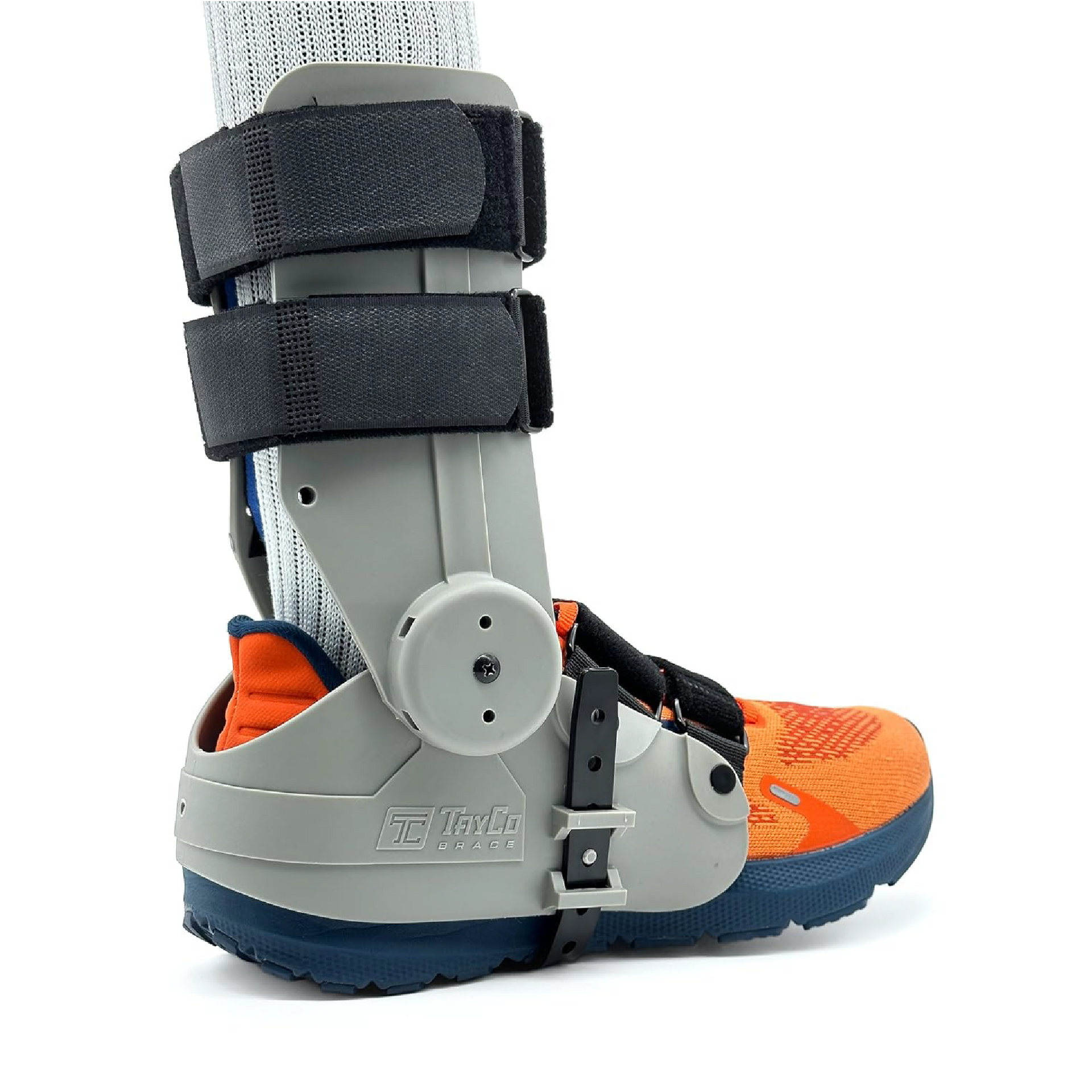
Mid- and high-cut boots stabilize your ankle. If the collar feels soft, misshapen, or compressed, that support is gone. This increases sprain risk, especially on rocky or uneven trails.
Warning signs:
– Heel slips during descents.
– Ankle rolls more easily.
– Padding inside the collar is flattened or separating.
User insight: “There is no more ankle support… it helps to prevent your ankle from rolling.” – Article 3
Action step: If the upper fabric is thin or stretched, replacement is the only safe option. No amount of lacing can restore crushed padding.
Evaluate Fit Changes: Do They Still Fit Your Feet?
Your Feet Change—Even If You Don’t
Feet change with age, weight, and activity. A boot that fit perfectly five years ago may now be too tight, too loose, or rubbing in new places.
Red flags:
– Heel slippage.
– New pressure points or hot spots.
– Toes hitting the front on descents.
– General discomfort even after breaking in.
Expert note: “After a decade, absolutely no one’s feet are shaped the same… Your feet are undoubtedly larger and shaped differently.” – myasterism
Solution: Try on new boots even if your current pair looks okay. A proper fit today matters more than nostalgia.
Listen to Pain: Is Discomfort a Warning?
Pain Isn’t Normal—It’s a Signal
Persistent pain isn’t a badge of endurance. It’s your body telling you your boots are failing.
Types of pain to watch for:
– Foot, arch, or heel pain (possible plantar fasciitis).
– Knee or hip pain from altered gait.
– Lower back strain due to poor posture.
– Blisters or numbness from poor fit.
User insight: “When your feet start to hurt or when your knees hurt… boots are a tool designed to keep you safe.” – [deleted]
Bottom line: Pain means danger. Replace boots before they cause long-term injury.
Check the Lacing System: Are Eyelets Failing?
Frayed Laces Are a Warning Sign
Laces are easy to replace, but their condition reflects overall wear. If laces fray quickly, eyelets are bent, or lacing loops pull away, the upper is degrading.
Functional impact:
– Can’t lock down the heel or midfoot.
– Reduced ankle support.
– Increased risk of tripping.
Fix it: Swap in new laces ($5–$10). But if eyelets are loose or torn, the boot’s structure is failing.
Pro tip: Use flat, waxed laces for better grip and durability.
Spot Deformation: Is the Boot Lopsided?
A Saggy Boot Is a Failed Boot
If your boot looks twisted, wider, or saggy, it’s lost structural integrity.
Signs:
– Collapsed heel counter (back caves in).
– Toe box sags or bulges.
– Sole twists when pressed.
Impact: Impaired balance, instability, and increased fall risk.
User insight: “A hiking shoe that appears deformed… has lost its structural integrity.” – Article 4
Reality: Once a boot loses its shape, no repair can restore proper support.
Know the Mileage: How Long Should Boots Last?
Most Boots Last 350–1,000 Miles
While every hiker is different, most boots have a functional lifespan:
| Boot Type | Expected Mileage |
|---|---|
| Trail Runners | 350–500 miles |
| Hiking Shoes | 500 miles |
| Hiking Boots | 500–1,000+ miles |
Factors that shorten lifespan:
– Heavy pack weight
– Rocky or abrasive terrain
– Hiker weight
– Poor maintenance
– Gait imbalances
User example: “I chew through a pair about once every 18 months, hiking around 400 miles.” – palpytus
Note: Mileage is a guideline, not a rule.
Repair or Replace? When to Fix vs. Retire
Resole Only If the Upper Is Intact
High-quality boots can often be repaired:
- Professional cobbler: Best for full sole replacement (e.g., Vibram®).
- Brand programs: Danner, Viberg, and others offer factory resoles.
- DIY: Shoe Goo works temporarily but isn’t trail-safe long-term.
Cost-benefit: Resoling costs $80–$150. If your upper is solid, it’s often worth it.
Upgrade for Better Tech
New Boots Offer Real Improvements
Even if your boots aren’t dead, upgrading can bring:
- Lighter weight = less fatigue
- Better breathability = fewer blisters
- Advanced cushioning = joint protection
- Gait-specific support = improved comfort
Try this: Visit an outdoor retailer and walk in a new pair. The difference will be instantly noticeable.
Final Decision Framework
Replace When:
- You feel pain in feet, knees, hips, or back.
- Midsole fails the thumb press test.
- Tread is bald or sole is separating.
- Water leaks in despite resealing.
- Boots no longer fit due to foot or structural changes.
- Ankle support is gone.
Repair or Refresh When:
- Only tread or insoles are worn.
- Upper and structure are intact.
- You still love the fit and comfort.
Recycle or Reuse Old Boots
Don’t Trash Them
Old boots don’t belong in landfills.
Recycling Programs:
- Nike Reuse-A-Shoe (Nike only)
- ASICS Give Back Box (mail-in)
- Ridwell (U.S. West Coast)
- Local options: Search “shoe recycling near me”
Reuse Ideas:
- Gardening, yard work, or mowing
- Muddy obstacle races (e.g., Tough Mudder)
- Donate if wearable (no mold or major tears)
Hiking boots are safety-critical gear, not fashion. Waiting until they fall apart risks injury. Inspect them regularly, listen to your body, and replace them before they fail. Your feet—and joints—will thank you on every mile of the trail.