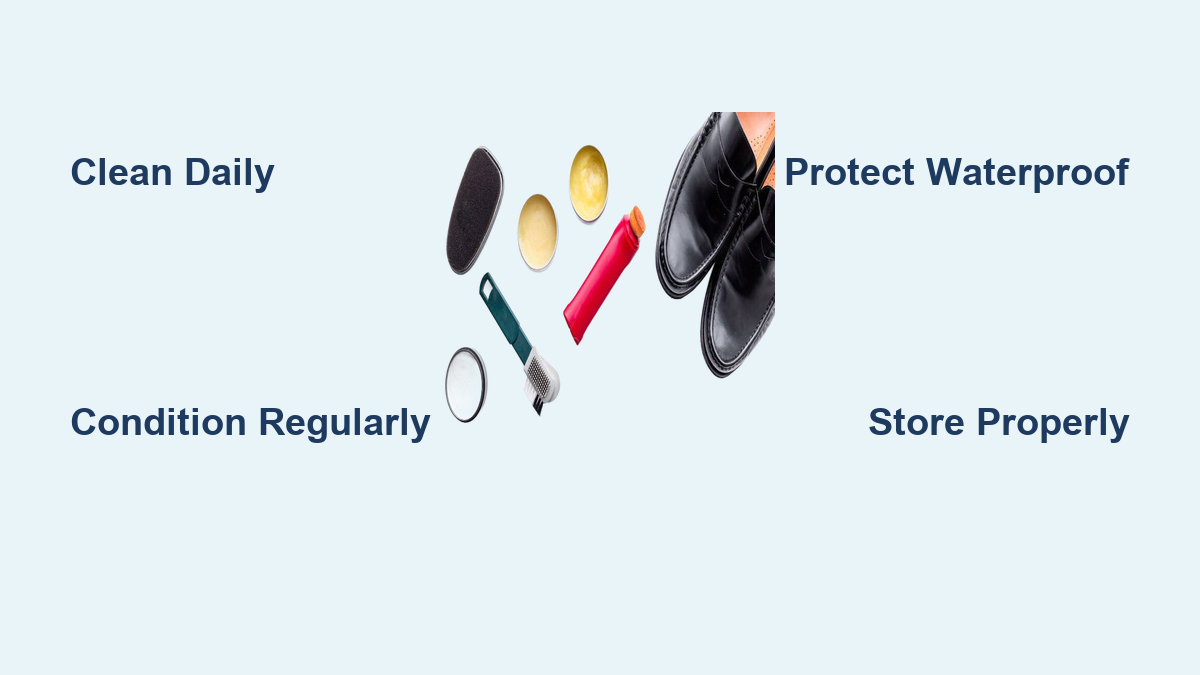
Boot Care Guide: Essential Tips
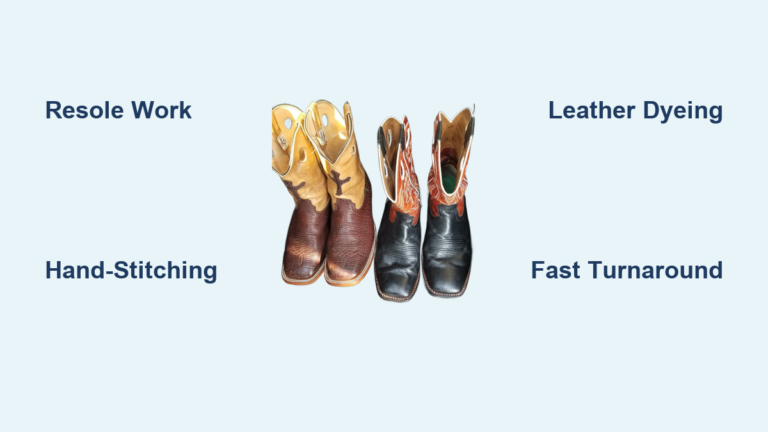
Leather boots are an investment, whether they serve as rugged workhorses, sleek dress companions, or weather-ready adventurers. Without proper care, even the highest-quality pair can crack, stain, or lose shape within months. The key to lasting performance lies in consistent, material-specific maintenance. This boot care guide delivers a step-by-step system tailored to every leather type, from full-grain to exotic finishes, so you can clean, condition, and protect with confidence. You’ll learn exactly what tools to use, how often to maintain your boots, and most importantly, what mistakes to avoid.
Identify Your Leather Type

Choosing the wrong product can ruin your boots. Always start by identifying the leather, since this determines every step that follows.
Full-Grain & Top-Grain Care
These premium leathers form the backbone of most high-end boots. They’re tough, breathable, and develop a rich patina over time.
- Clean: Wipe with a dry horsehair brush daily. For deeper grime, use saddle soap and a damp cloth.
- Condition: Apply leather conditioner every 3–4 months. Focus on flex points like the ankle and toe box.
- Polish: Use cream polish for color revival; paste for shine and scratch coverage.
- Waterproof: Beeswax-based creams offer deep protection for work or outdoor use.
Pro Tip: Full-grain darkens slightly with oil. This is normal and enhances character.
Suede & Nubuck Protection
Suede and nubuck demand gentle handling. Water stains and dark spots are common if treated like smooth leather.
- Never use water or standard cleaners, as they cause permanent discoloration.
- Clean: Use a nylon suede brush to lift dirt and restore the nap. For stains, dab with a barely damp cloth.
- Protect: Spray with non-silicone water and stain protector after every cleaning.
- Avoid conditioners unless labeled for suede, since oils will darken or stiffen the material.
Warning: Heat ruins suede. Always air-dry and never use a dryer or heater.
Split-Grain & Oil-Treated Leathers
Split-grain is less dense and dries out faster. Oil-impregnated leathers are built for wet conditions but still need upkeep.
- Clean: Use a soft brush or cloth. Avoid alcohol-based cleaners, as they strip oils.
- Condition: Replenish with leather-specific conditioner every 2–3 months.
- Waterproof: Use sprays or waxes, but expect slight darkening.
Note: Oil-tanned boots develop a rugged look. Don’t fight the natural aging.
Distressed & Exotic Finishes
Distressed leather is designed to look worn. Exotics like ostrich, reptile, and stingray are delicate and costly, so mistakes are expensive.
- Distressed leather: Do not apply creams or conditioners, as they alter the finish.
- Test all products on hidden areas first.
- Exotic care:
- Ostrich: Clean with a damp cloth and use tiny amounts of exotic conditioner.
- Reptile: Brush lightly, then apply exotic cream generously.
- Fish & Shark: Brush debris and condition lightly.
- Stingray: Wipe with a barely damp cloth and use premium conditioner.
Expert Note: When in doubt, consult a professional for exotics.
Essential Boot Care Toolkit
Skip generic kits and build a targeted arsenal based on your boot types.
Must-Have Brushes
- Horsehair brush: Daily dusting and buffing.
- Nylon suede brush: For nubuck and suede nap restoration.
- Soft bristle brush: Clean seams and stitching.
- Semi-stiff brush: Knock off dried mud from work boots.
Cleaning & Conditioning Supplies
| Product | Best For | Avoid On |
|---|---|---|
| Saddle soap | Smooth leathers (full/top-grain) | Suede, nubuck, exotics |
| Leather cleaner | General cleaning, stains | Split-grain with high alcohol |
| Leather conditioner | Prevents cracking | Distressed finishes |
| Suede-specific conditioner | Only when necessary | Standard leathers |
| Exotic leather cream | Ostrich, reptile, stingray | Smooth or suede |
Polishes & Waterproofing
- Cream polish: Easy color refresh, minor scratch cover.
- Paste polish: High shine, long-lasting protection.
- Wax polish: Ideal for dress boots, adds luster and water resistance.
- Beeswax cream: Best for work boots, deep penetration, durable barrier.
- Silicone-free spray: Safest for suede, nubuck, and exotics.
Always test polishes and sprays on a hidden spot, since most darken leather.
Storage Essentials
- Cedar boot trees: Absorb moisture, fight odor, maintain shape.
- Paper or newspaper: Budget alternative for drying.
- Breathable cotton bags: Store boots, never use plastic.
- Shoe horns: Prevent heel crush when putting on boots.
Step-by-Step Boot Maintenance Routine
Follow this sequence for maximum effectiveness: Clean → Condition → Polish → Protect.
Daily Boot Care
Time: 2–3 minutes per pair | Frequency: After every wear
- Brush off surface dirt with a horsehair brush.
- Wipe soles to prevent tracking grime indoors.
- Remove insoles (if possible) to air out the interior.
- Stuff with newspaper or cedar trees to absorb sweat.
- Store in a cool, dry place away from sunlight.
Why it matters: Sweat and dirt degrade leather faster than wear. Rotate pairs to allow full drying.
Deep Clean Smooth Leathers
Time: 30–60 minutes | Frequency: Every 4–8 weeks
- Remove laces and set aside.
- Brush seams and crevices with a soft bristle brush.
- Clean: Dampen a cloth with saddle soap or leather cleaner. Rub in circles and do not let it dry on.
- Rinse: Wipe with a clean, wet cloth to remove residue.
- Dry: Stuff with newspaper. Air dry for 12–24 hours and never use heat.
Visual cue: Leather should feel cool and slightly damp during cleaning, never soaked.
Condition for Longevity
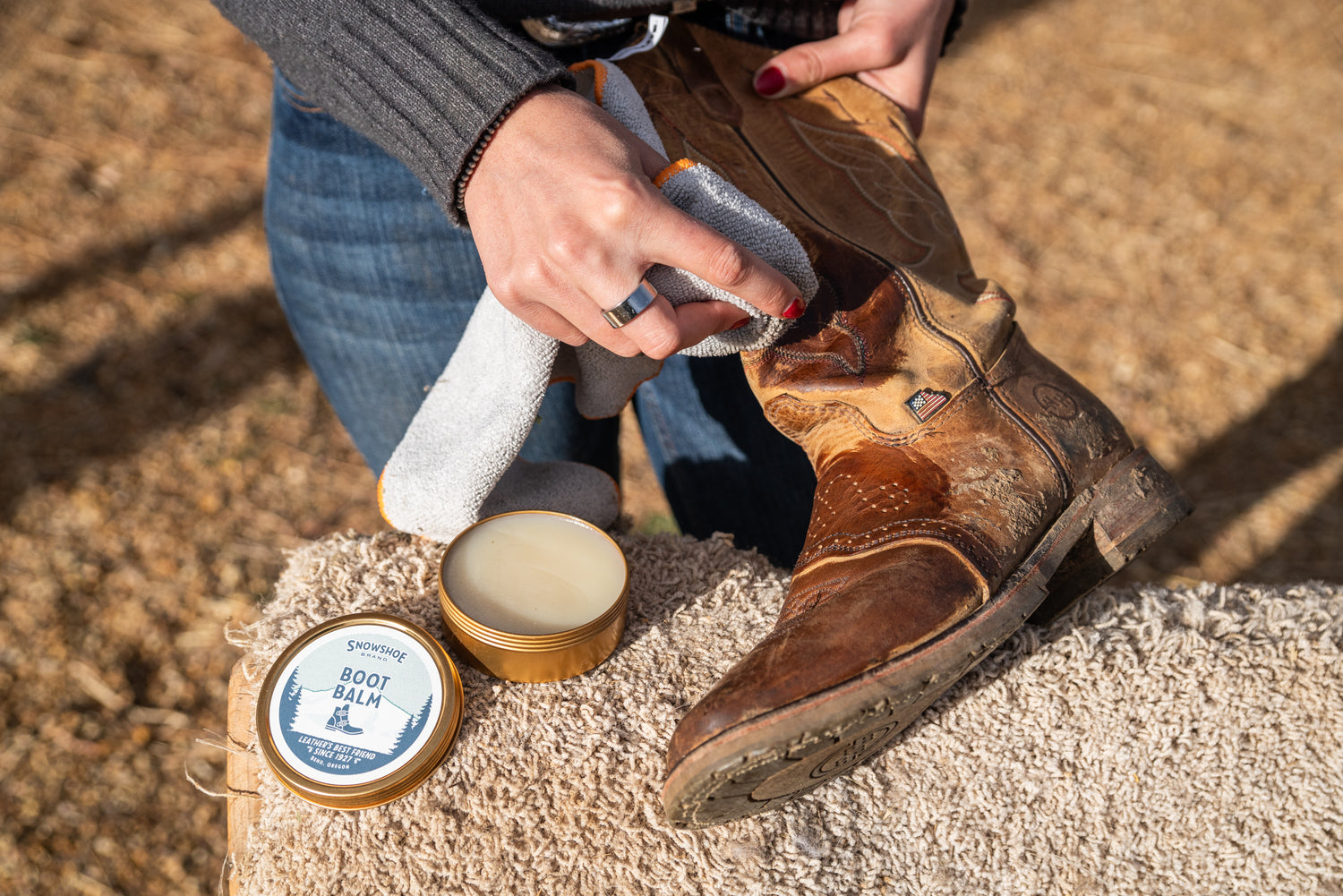
Time: 15 minutes | Frequency: Every 3–6 months
- Ensure boots are clean and completely dry.
- Apply a pea-sized amount of conditioner to a cloth.
- Work into leather using circular motions, focusing on high-flex zones.
- Let absorb for 15–60 minutes (check product instructions).
- Wipe off excess to avoid greasy buildup.
- Buff lightly with a soft brush for subtle sheen.
Warning: Over-conditioning softens leather too much. Stick to the schedule.
Polish for Shine & Protection
Time: 20 minutes | Frequency: Every 1–2 months or as needed
- Test color match on heel or tongue.
- Apply cream or paste polish with a cloth in small circles.
- Let dry completely (10–30 minutes).
- Buff with a soft brush for even finish.
- Add wax polish (optional) for high-gloss dress boots.
- Final shine: Rub briskly with a dry cotton cloth.
Pro Tip: Use neutral polish on light-colored boots if exact match isn’t available.
Waterproofing That Lasts
Time: 15 minutes | Frequency: Every 2–3 months or pre-wet season
- Clean and dry boots thoroughly.
- Spray method (outdoors): Hold 6 inches away and apply evenly. Let dry 1 hour.
- Cream/wax method: Rub in with cloth, covering all surfaces. Let absorb 4+ hours.
- Reapply after heavy rain or visible water absorption.
Key Insight: Sprays wear off faster; creams last longer but darken leather.
Suede & Nubuck: Special Cleaning Protocol
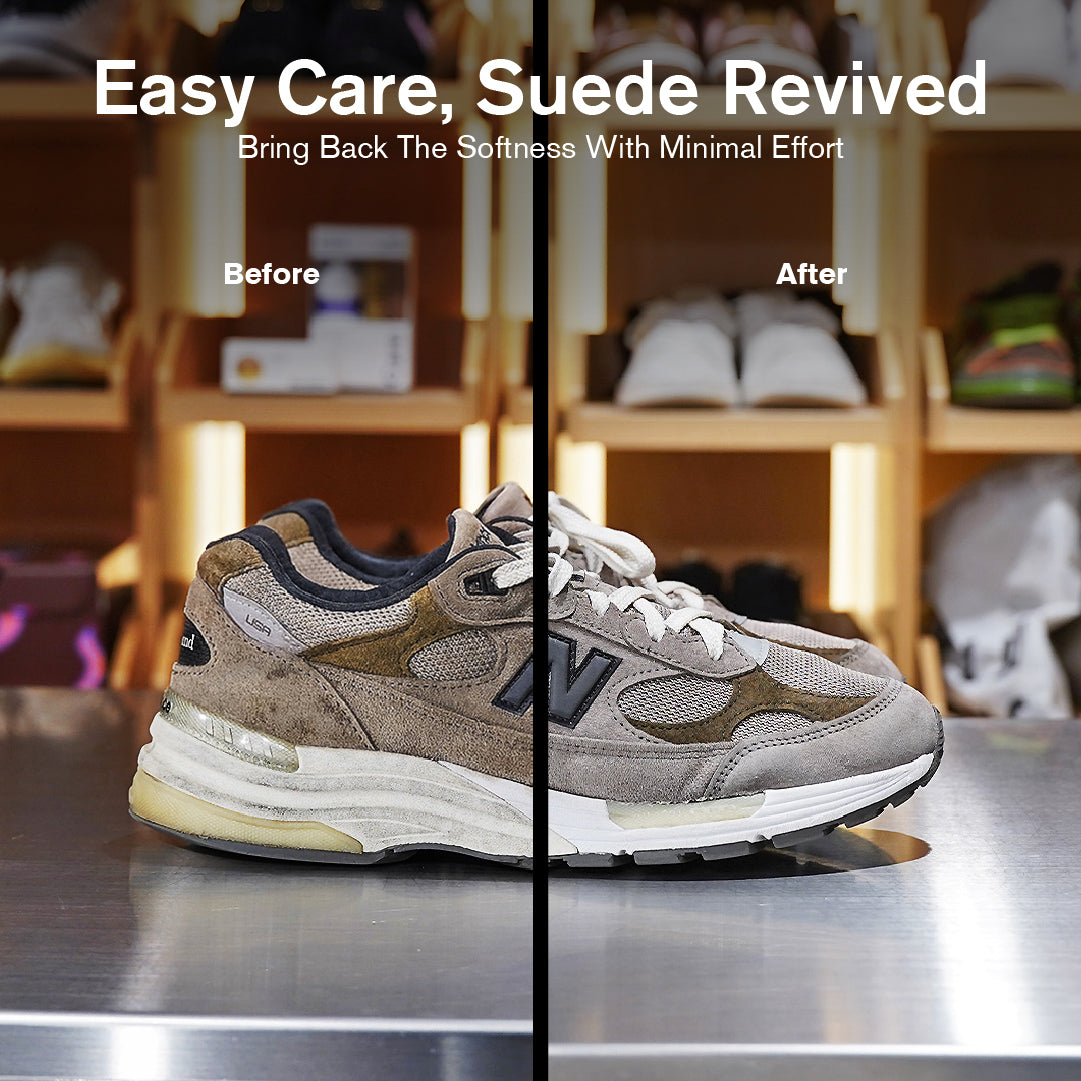
These finishes require precision, since mistakes are visible and permanent.
Dry Cleaning Only
- Let mud dry completely.
- Knock off chunks with a semi-stiff brush.
- Use a nylon suede brush to lift the nap and remove dust.
- For stains, dab (don’t rub) with a warm, clean cloth.
Never soak suede, as water causes hard, dark rings.
Post-Cleaning Protection
- Let boots dry fully (24 hours).
- Spray with non-silicone protector in a well-ventilated area.
- Hold can 6–8 inches away and apply 2 light coats, not one heavy one.
- Wait 1 hour between coats.
Check label: Some protectors alter color, so always spot test.
Boot Storage: Prevent Damage When Not Wearing
Improper storage causes more damage than wear.
Ideal Storage Conditions
- Location: Cool, dry, ventilated closet or shelf.
- Light: Away from windows, since UV rays fade and dry leather.
- Heat: Never near radiators, vents, or furnaces.
- Airflow: Use breathable cotton bags, never plastic.
Shape & Moisture Control
- Always use cedar boot trees or crumpled paper.
- Trees absorb moisture and prevent creasing.
- Remove insoles after use to speed interior drying.
- Rotate boots and don’t wear the same pair two days in a row.
Fact: Leather needs to breathe. Trapped moisture breeds mold and weakens fibers.
Troubleshooting Common Boot Problems
Stubborn Stains? Use Targeted Solutions
- Oil or grease: Blot with cornstarch, let sit overnight, brush off.
- Salt stains (winter): Wipe with a damp cloth, then apply conditioner.
- Ink: Use leather-safe stain remover, never alcohol.
- Mud: Let dry, then brush off. Don’t scrub wet.
Always test stain removers on hidden areas first.
Boots Lost Shine? Revive the Finish
- Clean and condition first, since dullness often comes from dryness.
- Apply matching cream polish.
- Buff with a horsehair brush and cotton cloth.
Avoid polish on suede or distressed leather.
Wet Boots? Dry Safely
- Remove laces and insoles.
- Stuff with newspaper, replacing every few hours.
- Let dry at room temperature for 12–24 hours.
- Once dry, condition to restore oils.
Never use a hairdryer, as heat cracks leather instantly.
Boots Too Tight? Stretch Gently
- Use a shoe stretcher for heel or toe pressure.
- Wear thick socks and a hairdryer on low heat for 30 seconds, then walk around. Do not overheat.
- For stubborn spots, freeze a water-filled bag inside overnight. The ice expands and stretches.
Warning: Aggressive stretching can tear seams.
When to Call a Professional
Some issues demand expert hands.
Seek Pro Help If:
- Deep scuffs or scratches won’t buff out.
- The sole is separating or stitching is unraveling.
- Exotic leather needs conditioning or stain removal.
- You’re unsure about product safety.
Choose cobblers with experience in your boot brand or leather type.
Boot Care Mistakes to Avoid
Never:
– Use household cleaners or soaps on leather.
– Dry boots with direct heat (radiators, blow dryers).
– Store in plastic bags, which trap moisture.
– Condition suede or distressed leather without testing.
– Skip cleaning before conditioning, since dirt gets ground in.
Remember: Dirt is abrasive. The number one cause of premature wear is neglecting daily brushing.
Final Care Checklist by Boot Type

| Boot Type | Clean | Condition | Polish | Waterproof | Special Notes |
|---|---|---|---|---|---|
| Full-Grain | Saddle soap | Every 3–4 months | Cream or paste | Beeswax cream | Develops patina |
| Top-Grain | Dry brush | Every 3–6 months | Cream polish | Spray or cream | Stain-resistant |
| Suede | Nylon brush only | Suede-specific only | Never | Non-silicone spray | Keep dry |
| Nubuck | Nubuck brush | Nubuck-specific | Never | Non-silicone spray | Test protectors |
| Oil-Tanned | Wipe down | Every 2–3 months | Wax for shine | Reapply oils | Naturally water-resistant |
| Distressed | Brush only | Never | Never | Test first | Preserve worn look |
| Exotic | Damp cloth | Exotic cream only | Never | Silicone-free spray | Test all products |
Frequently Asked Questions About Boot Care
How often should I condition my leather boots?
Condition smooth leathers every 3–6 months under normal use. Work boots or boots exposed to harsh conditions may need conditioning every 2–3 months. Suede, nubuck, and distressed leather require specialized products only.
Can I use regular soap or household cleaners on leather?
No. Standard soaps and household cleaners strip natural oils and cause premature drying and cracking. Always use saddle soap, leather-specific cleaners, or mild soap mixtures designed for leather.
What is the best way to dry wet leather boots?
Stuff them with newspaper, remove insoles, and let them air-dry at room temperature for 12–24 hours. Never use a hairdryer, heater, or direct sunlight, since heat causes cracking and shrinkage.
Is waterproofing spray or wax better for boots?
Sprays are easier to apply and work well on smooth and exotic leathers but wear off faster. Beeswax creams penetrate deeper and last longer but often darken the leather. Choose based on your boot type and desired finish.
Why is my suede boot stained after cleaning it with water?
Water causes permanent discoloration and dark rings on suede. Always use a nylon suede brush and dab stains with a barely damp cloth. Apply a non-silicone protector after cleaning to prevent future damage.
When should I take my boots to a professional cobbler?
Seek professional help for deep scuffs, sole separation, unraveling stitching, exotic leather conditioning, or any repair you’re unsure about. Choosing a cobbler experienced with your specific boot brand ensures proper care.
Key Takeaways for Long-Lasting Boot Care
Great boot care isn’t complicated; it’s consistent. Clean after every wear, condition on schedule, protect before wet weather, and store properly in a cool, dry place. Always match products to your leather type and test on hidden areas first. Start today: grab a brush, identify your leather, and give your boots the care they deserve.