How to Break In Hiking Boots Fast: Quick Tips
Nothing ruins a great hike faster than stiff, unforgiving hiking boots rubbing blisters on your heels and toes. If your next adventure is just days away and your new boots still feel like concrete shells, don’t panic—you can break in hiking boots fast. While no method is truly “instant,” proven techniques exist to soften stiff leather, mold boots to your feet, and get trail-ready in days instead of weeks—without damaging your gear or risking injury.
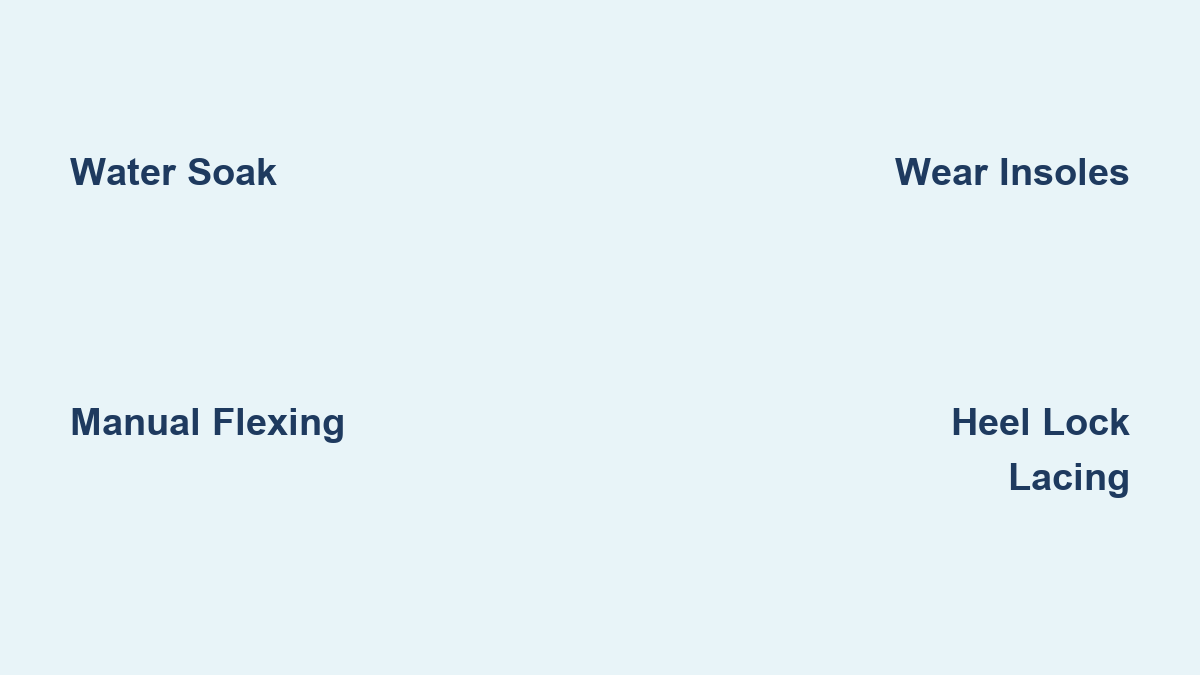
The key is using smart, controlled acceleration methods like water soaking, manual flexing, and targeted wear—combined with proper socks, lacing, and foot care. This guide walks you through every step to safely speed up break-in, avoid common mistakes, and ensure your boots feel like a natural extension of your feet before your first big trek.
Water Soak and Walk Dry Method

The fastest and most effective way to break in full-grain leather hiking boots is the water soak and walk dry method—a technique trusted by firefighters, rangers, and seasoned hikers who need boots ready fast.
Soak With Feet Inside
Put on your hiking socks and step into the boots before soaking. Fill a bathtub or shallow container with cool, ankle-deep water. Stand in it for 10–15 minutes, letting the leather absorb moisture while conforming to your foot shape.
This works because wet leather becomes pliable. As it dries on your foot, it molds tightly to your contours, mimicking months of wear in a single session.
Pro Tip: Only use this method on stitched leather boots. Avoid glued, synthetic, or waterproof-membrane boots (like Gore-Tex), which can trap moisture and degrade over time.
Walk Until Fully Dry
After soaking, walk indoors for 3–5 hours—on carpet, tile, stairs, and even grass or gravel if possible. Keep moving until the boots are completely dry. Do not use heaters, hair dryers, or direct sunlight—this can crack leather or warp soles.
Walking while the boots dry locks in the fit and pre-stresses the flex zones. The more varied the terrain, the better the adaptation.
Post-Soak Leather Care
Once dry, apply a thin coat of leather conditioner like Lexol, Neatsfoot Oil, or Mink Oil. This restores natural oils lost during soaking and prevents cracking.
Reapply every 2–3 wears during the break-in phase to maintain suppleness. Over-conditioning attracts dirt and weakens fibers—less is more.
Heat-Assisted Softening (Use Carefully)
Controlled heat can loosen stiff leather, but misuse risks permanent damage.
Warm With Hair Dryer
Target stiff areas like the ankle collar or toe box. Hold a hair dryer on low heat 6 inches away, warming the area for 30–60 seconds. Flex the boot manually as you go.
Then, wear the boots with thick socks and walk indoors for 20–30 minutes while the leather cools. This combines heat softening with real-time molding.
Warning: Never use ovens, radiators, or high-heat settings. Excessive heat melts adhesives, warps midsoles, and voids warranties.
Best for Pure Leather Boots
This method only works on all-leather, stitched-sole boots. Avoid on hybrids, EVA midsoles, or boots with synthetic uppers—heat can delaminate layers and ruin structure.
Limit use to 1–2 sessions. Overuse leads to premature wear or sole separation.
Manual Flexing and Pressure Molding
Jumpstart flexibility by pre-stressing the boots before wear.
Flex the Sole Repeatedly
Remove the laces and bend the sole at the ball and heel. Fold it foot-to-foot 20–30 times. Focus on areas that resist movement—especially if they feel board-like.
This loosens the midsole and outsole, reducing initial stiffness and improving comfort from the first step.
Massage Tight Zones
Use your thumbs to press and rub the toe box, ankle, and instep. Circular motions soften leather fibers and release tension.
For stubborn spots, insert a shoe stretcher or boot tree overnight. Expand it slightly to gently widen tight areas without tearing.
Pro Tip: Combine with a drop of leather conditioner on stiff zones for faster results.
Professional Boot Stretching Services
When DIY methods fall short, a cobbler can fix persistent fit issues.
Use Expandable Shoe Stretchers
Insert a two-way shoe stretcher and turn the screw daily over 48 hours. It applies steady pressure to lengthen or widen the boot.
Ideal for tightness in the ball of the foot or pinky toe area.
Heat-and-Stretch by a Cobbler
Some cobblers offer steam or infrared heat treatments paired with mechanical stretching. This reshapes leather precisely and safely.
Expert Note: Never attempt heat stretching at home. Professionals control temperature and pressure to avoid damage.
Spot Stretch for Problem Areas
Ask for localized stretching on pressure points. A cobbler can target the instep, heel, or toe box without altering the entire boot.
Wear Boots at Home First
Start break-in indoors to catch fit issues early.
Start With 1–2 Hour Sessions
Put on your hiking socks and insoles and wear the boots around the house. Walk on different surfaces: carpet, tile, stairs.
Begin with 1–2 hours daily, increasing to 3–4 by Day 7.
Check for Immediate Red Flags
- Heel slippage: Your heel should lift less than ¼ inch.
- Pinching: No pressure on the instep or ankle bones.
- Toe space: You should have a thumbnail’s width (½ inch) between your longest toe and the front.
If any issue persists, adjust lacing or consider stretching—don’t wait for blisters.
Take Short Outdoor Walks
Move from indoors to real-world conditions.
Walk 30–60 Minutes Daily
Start on sidewalks, grass, or packed dirt paths. Include gentle slopes and uneven ground.
Gradually increase distance and terrain difficulty over 5–7 days.
Test Lacing Techniques
Use heel lock lacing to eliminate heel slippage. Skip eyelets over pressure zones to relieve instep or ankle discomfort.
Ensure the tongue is centered—off-center lacing causes inner-rub blisters.
Carry Blister Protection
Bring moleskin, Leukotape, or Compeed patches. If you feel a hot spot, stop and cover it immediately.
Pro Tip: Cotton socks trap moisture—use merino wool or synthetic blends to reduce friction.
Hike Easy Trails With Light Load
Simulate real hiking before committing to long distances.
Choose 1.5–3 Mile Trails
Pick routes with roots, rocks, mud, and mild elevation. Include descents to test for toe jamming.
Wear your boots with a 10–15 lb daypack to mimic backpacking weight.
Evaluate Comfort and Stability
After each hike, ask:
– Did I get any hot spots?
– Did my heel stay locked?
– Were my toes protected on downhills?
– Did the boots feel supportive on uneven ground?
If yes to all, you’re trail-ready.
Break-In by Boot Material Type
Methods vary depending on construction.
Full-Grain Leather Boots
- Stiffness: High
- Break-in Time: 2–4 weeks
- Best Methods: Water soak, manual flexing, conditioner
- Care: Condition every 2–3 wears
These boots mold significantly over time. The more effort you put in early, the better the long-term fit.
Synthetic or Hybrid Boots
- Stiffness: Low to moderate
- Break-in Time: 0–7 days
- Best Methods: Gradual wear only
- Care: No soaking or conditioning needed
Many modern hiking shoes are ready to wear out of the box. Just test them on short walks first.
Ensure Proper Fit Before Breaking In
No amount of break-in fixes a bad fit.
Check Length and Width
- Length: ½ inch space at the toe (thumbnail test).
- Width: No squeezing across the ball of the foot.
- Volume: No pressure on the top of the foot.
Try boots in the afternoon when feet are slightly swollen.
Walk on an Incline
In the store, walk up a ramp or step. This simulates downhill pressure and reveals heel slippage or toe jamming early.
Expert Advice: Visit an outdoor specialty shop. Many offer boot fittings and home trial periods.
Prevent Blisters During Break-In
Friction, heat, and moisture are blister’s best friends.
Wear Double-Layer Socks
Use a thin liner sock under a thicker hiking sock. The layers slide against each other, not your skin—reducing friction.
Change socks mid-day if they get damp.
Keep Feet Dry and Clean
Moisture softens skin, making it more prone to tearing. Use foot powder or antiperspirant to reduce sweat.
Remove pebbles or debris immediately—tiny irritants cause big blisters.
Trim Toenails Short
Long nails press against the toe box on descents, leading to bruising or blackened toenails.
Cut straight across to prevent ingrown nails.
Optimize Lacing for Comfort
Adjust lacing to fix minor fit issues.
Use Heel Lock Lacing
Pull the laces tight at the ankle, then loop them through the top eyelets in a “lace lock” to prevent heel lift.
Visual Cue: No gap between heel and boot collar.
Skip Pressure Eyelets
If the instep feels tight, skip one or two mid-lace eyelets. This reduces pressure without loosening the whole boot.
Ensure even tension across both sides.
Clean and Maintain Boots During Break-In
Proper care extends boot life and fit.
Brush Off Dirt After Use
Use a soft brush to remove mud and debris. Let boots air dry naturally—never near a heater.
Heat warps soles and cracks leather.
Reapply Waterproofing
If boots get wet during break-in, re-treat with Nikwax or Granger’s once dry. This maintains breathability and water resistance.
Store With Shape Support
Insert boot shapers or crumpled paper to prevent creasing and maintain structure.
Avoid Dangerous Break-In Myths
Some “shortcuts” destroy boots or cause injury.
❌ Freeze Boots With Water Bags
The expansion of frozen water can crack leather and damage glue. Not worth the risk.
❌ Soak in Hot Water
Hot water shrinks linings, weakens adhesives, and deforms shape. Use cool water only.
❌ Bake in Oven or Use Hair Dryer on High
Extreme heat melts glue, warps soles, and voids warranties. Never do this.
❌ Beat With a Hammer
Destroys internal structure and padding. Boot companies will not repair damage from this.
Consensus: There are no safe instant fixes. Accelerated methods work—but only when done correctly.
Break-In Timeline by Boot Type
Know what to expect based on material.
Lightweight Synthetic Shoes
- Time: 0–1 week
- Method: Wear at home, then short walks
- Ready When: No hot spots after 2–3 outings
Mid-Weight Hybrid Boots
- Time: 1–2 weeks
- Method: Indoor wear + outdoor testing
- Ready When: Comfortable on varied terrain
Full-Grain Leather Boots
- Time: 2–4 weeks (or 5–7 days with soaking)
- Method: Water soak + manual flexing + trail testing
- Ready When: Molded to foot, no slippage or pressure
Rule of Thumb: Start break-in at least 2–3 weeks before a big hike. Rushing leads to pain.
Final Checklist: Are Your Boots Ready?
Before hitting the trail, confirm:
✅ No blisters or hot spots after 3–5 trail hikes
✅ Heel locks securely with no slippage
✅ Toes don’t hit the front on downhills
✅ Comfortable on rocks, roots, and mud
✅ No numbness or pressure points
✅ Boots feel like an extension of your foot
If all boxes are checked, you’re ready.
“If your feet are happy, you’re happy.” — LL Bean
Conclusion: Break In Hiking Boots Fast—Safely
You can break in hiking boots fast—but speed must never come at the cost of foot health or boot integrity. The water soak and walk dry method is the fastest safe technique for leather boots, while manual flexing and indoor wear work well for all types. Combine these with proper socks, lacing, and gradual progression to compress weeks of break-in into days.
Remember: No amount of breaking in fixes a poor fit. Start with the right size and shape. Invest time upfront, and your boots will carry you farther, longer, and pain-free.
Now lace up, hit the trail, and hike happy.