How to Prevent Blisters from Hiking Boots
Few things can derail a hiking adventure faster than the sharp sting of a forming blister. Despite being one of the most common trail ailments, blisters from hiking boots are largely preventable—once you understand the real cause. Contrary to the long-held belief that blisters result from friction, heat, or moisture, the true culprit is skin shear: the internal stretching of skin layers as your foot moves inside the boot while the outer skin stays fixed. This hidden force creates micro-tears beneath the surface, leading to fluid buildup and painful blisters—often within just hours of hitting the trail.
The good news? You can stop blisters before they start. This guide delivers science-backed, field-tested strategies to prevent blisters from hiking boots, covering everything from proper boot break-in and sock selection to advanced tools like ENGO patches and hotspot response. Whether you’re prepping for a weekend day hike or a multi-day trek, you’ll learn how to reduce shear, protect high-risk zones, and keep your feet comfortable mile after mile.
Break In Boots Properly Before the Trail
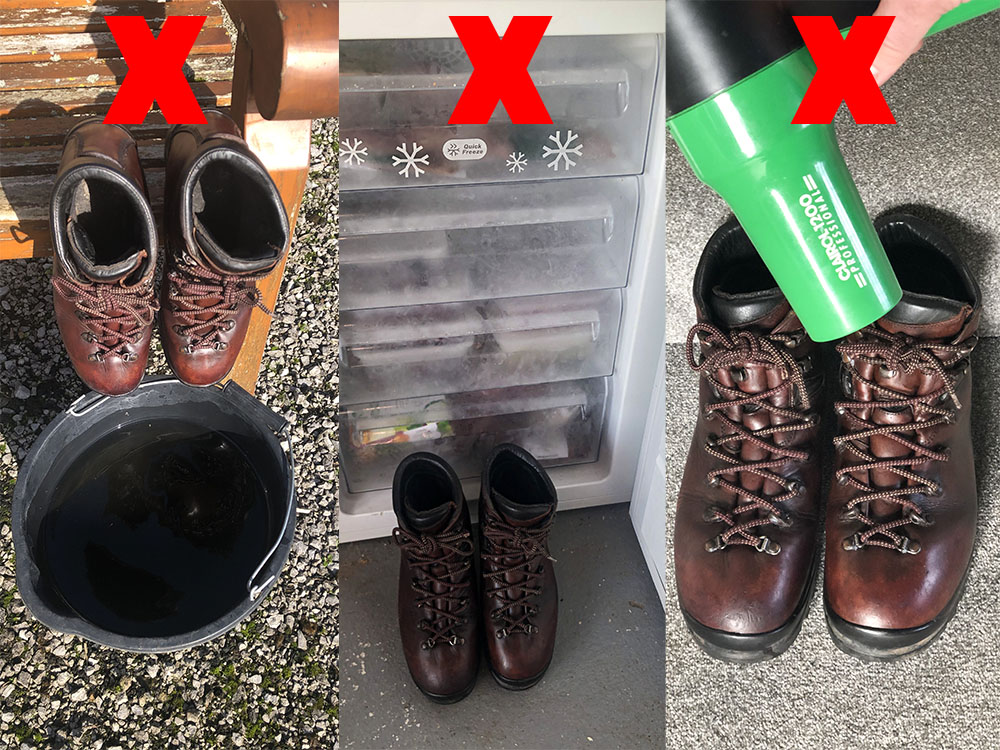
Wearing brand-new hiking boots on a long hike is a recipe for blisters. New boots need time to adapt to your foot’s shape and gait. Skipping this critical step increases shear forces, especially during the first few days on the trail.
Start Indoors, Then Progress to Short Hikes
Begin by wearing your boots around the house for 30–60 minutes daily—walking on stairs, doing chores, or standing. This helps you identify pressure points without risking injury. After 3–5 days, move to short outdoor hikes of 1–3 miles. Gradually increase distance and add weight with your backpack to simulate real hiking conditions.
Avoid Day-One Long Hikes
Most blisters occur on day two of a trip, when feet are swollen and unconditioned. If your boots haven’t been tested under load, you’re at high risk. Never wear unbroken-in boots on a multi-day hike. Aim for at least 10–15 miles of break-in time to ensure a comfortable, secure fit.
Use Stretching Techniques for Tight Spots
If your boots pinch in certain areas, use these targeted methods to relieve pressure:
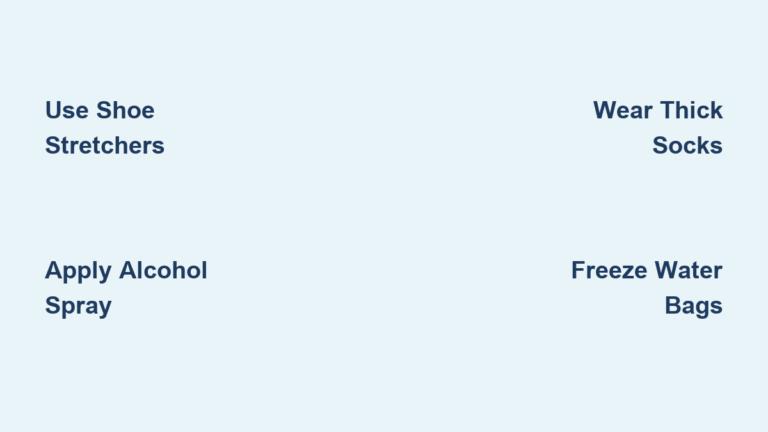
– Damp newspaper method: Stuff tight spots with damp paper; as it dries, it expands the material.
– Boot stretchers: Mechanical or water-filled models can widen toe boxes or heel cups.
– Heat-assisted stretching: Warm tight leather areas with a hairdryer, then wear thick socks until the boots cool and conform.
Optimize Boot Fit and Lacing Technique
Even well-broken-in boots can cause blisters if they don’t fit right or are laced improperly. A secure, customized fit minimizes foot movement and reduces shear—the key to blister prevention.
Ensure Proper Toe and Heel Fit
Leave 1–1.5 cm (about a thumb’s width) between your longest toe and the front of the boot. Feet swell during hikes, especially when descending. Your heel should lock firmly with minimal lift—excess heel slip is a top cause of heel blisters. If you have wide feet or natural toe splay, consider wide-width or zero-drop models like Altra or Merrell.
Apply Heel-Lock Lacing to Stop Heel Slippage
This simple technique eliminates heel lift:
1. Lace normally, then create a loop with the lace on each side just above the ankle.
2. Cross the laces and thread each end through the opposite loop.
3. Pull tight and tie as usual.
This cinches the heel down without over-tightening the forefoot.
Loosen Laces Over Hotspots
If you feel pressure building on the top of your foot, loosen laces in that area. Over-tightening increases friction and shear. Use ladder lacing or skip-eyelet lacing to relieve specific zones while maintaining overall boot stability.
Choose the Right Socks to Reduce Shear

Socks are the critical interface between skin and boot. The wrong choice—especially cotton—can guarantee blisters. The right materials and layering reduce shear and manage moisture effectively.
Never Wear Cotton Socks
Cotton absorbs sweat, stays wet, softens skin, and increases friction. “Cotton kills” is a well-known mantra among hikers. Even cotton-blend socks pose a risk—avoid them entirely.
Pick Merino Wool or Synthetic Blends
- Merino wool: Naturally wicks moisture, resists odor, and regulates temperature. Ideal for multi-day trips.
- Synthetics (CoolMax, polypropylene): Dry faster than wool and perform better in hot climates.
Top brands like Darn Tough, SmartWool, and Feetures offer durable, performance-focused options.
Use a Dual-Layer or Toe Sock System
- Liner + outer sock combo: The thin liner moves with your foot; the outer sock moves with the boot. Friction happens between the socks, not your skin.
- Injinji toe socks: Each toe is separated in a sleeve, reducing interdigital shear and preventing toe-tip blisters. Takes a day to adjust to but highly effective.
Change Socks Mid-Hike to Manage Moisture
Even the best socks become problematic when soaked. Managing moisture during your hike is essential for blister prevention.
Pack Extra Pairs for Long Hikes
Bring at least one spare pair per day. In wet conditions or after river crossings, carry two. Store them in a dry bag or ziplock to keep them clean and dry.
Swap Socks When Feet Feel Damp
Change socks:
– After crossing water
– When feet are sweaty
– At the first sign of moisture buildup
Dry feet mean lower friction and lower blister risk.
Dry Wet Socks Overnight
Stuff damp socks into your sleeping bag or hang them in a bandana near your tent. Body heat helps dry them by morning. Avoid direct sun or fire—they can shrink or degrade.
Tape High-Risk Zones Before Hiking
If you’ve blistered before, that spot is a future danger zone. Preemptive taping creates a protective barrier and reduces shear before you even start walking.
Identify Your Trouble Spots
Common areas:
– Heels
– Ball of the foot
– Fifth (pinky) toe
– Sides of feet
– Arch
Mark these during break-in hikes to stay ahead of problems.
Use Durable Athletic Tape
- Leukotape or Hapla Band: Stretchy, breathable, and adheres well even when sweaty.
- Apply smoothly with no wrinkles—creases cause friction.
- Cut to size and round edges to prevent peeling.
- Reapply if it loosens during the hike.
Try Moleskin or Duct Tape for Cushioning
- Moleskin: Thick padding for heels and balls of feet. Cut a doughnut shape to offload pressure if a blister forms.
- Duct tape: Surprisingly effective. Layer 2–3 strips for extra cushion. Sticks well when skin is dry.
Apply ENGO Patches Inside Your Boots
ENGO (or Ango) blister patches are a game-changer—they reduce shear at the source: inside your boot.
Target High-Shear Zones
Apply patches to:
– Heel counter
– Ball of foot area
– Arch lining
These are spots where the boot rubs against your sock during your stride.
Follow Proper Application Steps
- Clean and dry the boot interior thoroughly.
- Apply patch and press firmly for 30 seconds.
- Let it cure 24 hours before hiking if possible.
- Never apply to skin—they’re designed for footwear only.
Enjoy Long-Lasting Protection
A single patch lasts weeks to months, even in wet conditions. Unlike skin-based solutions, ENGO isn’t affected by sweat and reduces friction by up to 80%—one of the most effective blister prevention tools available.
Lubricate Wisely—Don’t Overuse
Lubricants like BodyGlide or Vaseline reduce friction, but overuse can backfire.
Apply Only to Known Hotspots
Use on:
– Heels
– Toes
– Past blister sites
Apply a thin layer before putting on socks.
Avoid Over-Lubricating
Too much:
– Softens skin (increasing shear risk)
– Attracts dirt
– Causes maceration (skin breakdown)
Use only when needed—especially in hot, humid conditions.
Combine with Other Methods
Lubricant works best when paired with:
– Moisture-wicking socks
– Proper lacing
– Taping or ENGO patches
Never rely on glide alone.
Stop at the First Sign of a Hotspot
A hotspot is your body’s early warning—a warm, tender, or stinging sensation that means a blister is forming.
Act Immediately
- Stop hiking—don’t push through.
- Remove boot and sock to inspect.
- Dry the area completely.
- Apply tape, lubricant, or a blister patch.
This simple pause can prevent a full blister.
Reassess Your Setup
Ask:
– Is my sock bunched?
– Is my lacing too tight?
– Is debris in my boot?
Fix the cause, not just the symptom.
Skip These Common Myths
Many hikers follow outdated advice that increases blister risk.
Don’t Use Foot Powder
Powder clumps when wet, turning into an abrasive paste that increases friction. Skip it entirely.
Don’t Moisturize Before Hiking
Soft, lotion-covered skin is more prone to shear. Only moisturize cracked calluses—never healthy skin before a hike.
Don’t Pop Small Blisters
Intact blisters are protected by their own roof. Popping introduces infection risk. Only drain large, painful ones.
Don’t Rely on Regular Deodorant
Only clinical-strength antiperspirant (with aluminum chloride) reduces sweat—and it should be applied at night, not in the morning.
Pack a Smart Blister Kit
Carry the right tools to prevent and treat blisters effectively.
Prevention Must-Haves
| Item | Purpose |
|---|---|
| ENGO patches | Reduce shear in boots |
| Liner socks | Minimize skin friction |
| Gaiters | Block pebbles and debris |
| Athletic tape | Pre-tape hotspots |
Treatment Essentials
| Item | Use Case |
|---|---|
| Hydrocolloid dressings (Compeed) | Open blisters only |
| Island dressings | Protect intact blisters |
| Moleskin | Cushion and offload pressure |
| Sterile needles | Drain large blisters |
| Antiseptic wipes | Clean broken skin |
| Fixation tape | Secure dressings |
Keep everything in a small waterproof pouch.
Treat Blisters by Stage
Respond based on the blister’s condition.
Leave Intact Blisters Alone
Do not pop. Cover with:
– An island dressing (non-stick pad)
– Or Vaseline + gauze under your sock
The roof protects against infection.
Drain Only When Necessary
Drain if:
– The blister is large and painful
– You have many miles left
– It’s likely to burst under pressure
Steps:
1. Sterilize a needle.
2. Prick at the base with 1–2 small holes.
3. Press gently to drain—leave the roof intact.
4. Apply antiseptic and cover with hydrocolloid.
Care for Open Wounds
If the roof is torn:
– Clean with saline or antiseptic
– Apply antibiotic ointment
– Cover with hydrocolloid dressing
– Use moleskin doughnut to reduce pressure
Monitor for redness, pus, or increasing pain—signs of infection.
Final Note: Blisters don’t have to be part of hiking. By focusing on shear reduction, using proper socks and boot fit, and responding fast to hotspots, you can hike longer and more comfortably. Prevention beats treatment every time. Pack smart, tape early, and listen to your feet—happy trails.