How to Care for Leather Hiking Boots
There’s a reason generations of hikers swear by leather hiking boots: unmatched durability, superior support, and a custom fit that develops over time. But that legendary performance doesn’t come from the factory—it’s earned through consistent care. How to take care of leather hiking boots is the real secret behind boots that last 10, 15, or even 20 years. Without proper maintenance, even premium full-grain leather will dry out, crack, and lose its waterproofing, cutting your adventures short and your investment in half.
The good news? Taking care of leather hiking boots isn’t complicated—it’s a simple, repeatable routine. Clean after every hike, condition when needed, waterproof regularly, and store them properly. These steps prevent stiffness, extend lifespan, and keep your boots comfortable mile after mile. Whether you’re breaking in a new pair or reviving a trusted favorite, this guide delivers a proven, field-tested system backed by outdoor professionals and long-distance hikers.
You’ll learn exactly how to clean without damaging leather, which conditioners actually work, when to reapply wax, and how to store boots so they’re ready for next season. Plus, we’ll cover common mistakes—like using candle wax improperly or soaking nubuck—that can ruin your boots in one go. By the end, you’ll have a clear, actionable plan to protect your gear and hike with confidence, season after season.
Clean After Every Hike
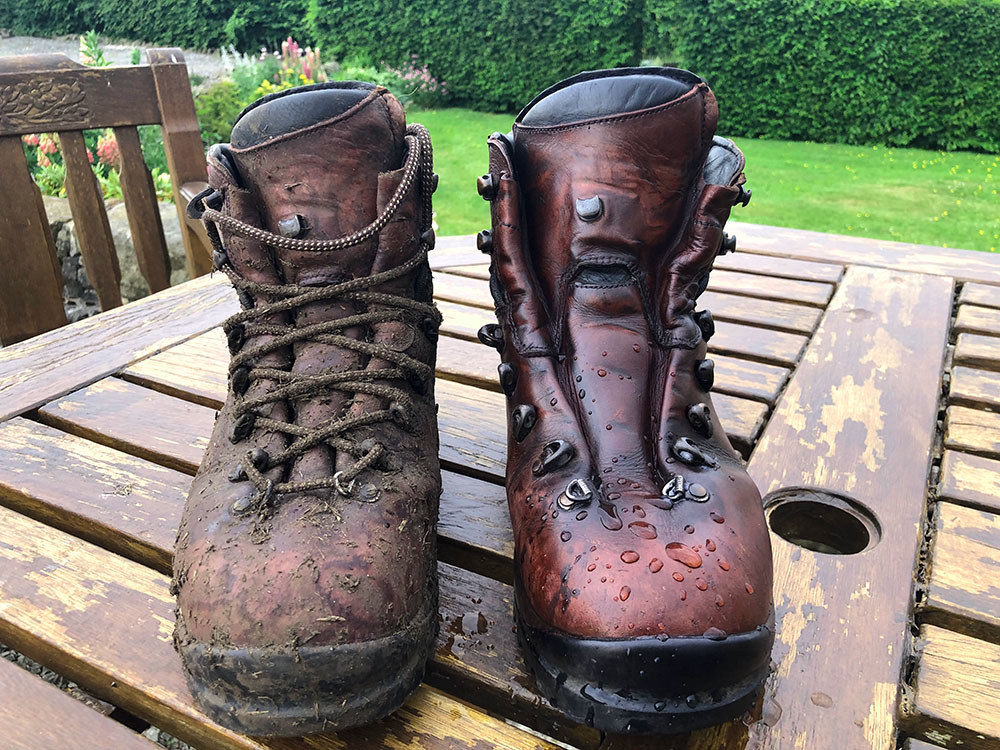
Dirt, mud, salt, and sweat are the top enemies of leather. They strip natural oils, clog pores, and accelerate wear—especially around seams and flex points. Cleaning after each use removes these threats and prepares the leather for conditioning and protection.
Remove Laces and Insoles First
Always start by removing the laces and insoles. This gives you full access to hidden dirt and lets each component dry properly.
- Laces: Soak in warm soapy water or wash in a laundry bag on a gentle cycle. Replace if frayed or stretched.
- Insoles: Hand-wash fabric insoles at 30°C. For leather insoles, use a damp sponge—never soak, as water can warp and stiffen them. Let both dry completely before reinserting.
Use a soft-bristled brush or old toothbrush to clean eyelets, stitching, and crevices where grime builds up.
Match Cleaning to Soil Level
Not every hike leaves boots equally dirty. Adjust your cleaning method based on the terrain and conditions.
- Light dust or trail residue: Wipe with a damp cloth. No soap needed—avoid unnecessary moisture.
- Wet mud or moderate grime: Use warm soapy water and a soft brush. Scrub gently in circular motions.
- Caked-on mud: Rinse first with cool water to loosen debris. Let boots sit for 30–60 minutes, then repeat rinsing and scrubbing. Avoid high-pressure hoses—they can force water into seams.
- Pure leather boots (e.g., Schnees, Redwing): Wash with hot soapy water until the runoff is clear. This removes old wax and deep contaminants, ensuring new treatments penetrate.
Use the Right Cleaner
Choose a cleaner designed for outdoor footwear to avoid damaging leather.
- Best options: Nikwax Footwear Cleaning Gel, ReviveX Boot Cleaner, Granger’s, or Mendal.
- DIY alternative: One drop of mild dish soap (like Dawn) in a bucket of lukewarm water—never use bleach or detergents.
- Avoid: Machine washing, soaking, or harsh chemicals—they degrade adhesives and leather fibers.
Never submerge boots for long. Excess water weakens glue, warps leather, and can lead to delamination.
Clean Inside and Out
The interior collects sweat and salt, which can stiffen leather and cause odors. Wipe the inside with a damp sponge—never use a brush, as it can damage the lining.
After cleaning, air-dry boots completely before conditioning. If odors remain, use a shoe hygiene spray designed for leather—avoid alcohol-based products that dry the material.
Don’t Forget the Soles
Use a stiff brush or a key to remove mud and stones from the lugs. Cleaning the tread maintains traction and prevents spreading invasive plant seeds—part of Leave No Trace ethics.
Critical Tip: Never clean dry, cracked leather with soap and water. Rehydrate it first with conditioner, or you risk deepening cracks.
Condition to Prevent Cracking
Leather loses natural oils every time it gets wet and dries. Without replacement, it becomes stiff, brittle, and prone to cracking—especially in high-stress areas like the toe box and heel. Conditioning restores suppleness and extends life.
When to Condition Leather
- After every 2–3 hikes, or immediately after cleaning.
- Before long-term storage.
- When leather feels stiff, looks dull, or shows white marks when bent.
- Do not condition over wax—the oil can’t penetrate, so it’s wasted.
Apply Conditioner Correctly
- Use a small amount on a soft cloth.
- Work in circular motions, focusing on:
- Flex points (where the boot bends)
- Toe box and heel collar
- Eyelets, seams, and sole-to-upper edge
- Let absorb for 15–30 minutes, then buff lightly.
- For very dry boots (e.g., after winter), apply a second coat after 24 hours.
Choose the Right Conditioner
Not all conditioners are equal. Match the product to your boot type and use.
- Schnee Leather Conditioner: Best for pure leather boots. Doubles as storage prep—no wax needed.
- Mink Oil: Deeply softens but reduces breathability. Use sparingly in dry climates.
- Nikwax Leather Conditioner: Water-based, non-greasy, maintains breathability. Ideal for frequent hikers.
- Mendal Proofing Agent: Liquid combo of conditioner and waterproofer—great for hybrid boots.
Warning: Over-conditioning causes greasy buildup and weakens leather. Apply only when needed—less is more.
Waterproof for All-Weather Protection

Even the best leather isn’t naturally waterproof. Without treatment, water soaks in, causing swelling, stiffness, and long drying times. Waterproofing seals the pores and shields against slush, ash, salt, and mud.
Reapply Every 2–3 Hikes
Waterproofing wears off with use. Reapply:
– After every 2–3 hikes
– Immediately after wet or muddy use
– Always after cleaning and conditioning
– Before storing long-term
Warm Boots for Better Absorption
Leather pores open with heat, letting wax penetrate deeper.
- Use a hair dryer on low, moving constantly.
- Or place boots in an oven at 50–60°C (120–140°F) for 10–15 minutes—never exceed temperature.
This step is crucial for heavy waxes like Obenaufs or candle wax.
Apply Evenly and Cure
- Use a cloth or brush to spread treatment.
- Work into seams and stitching with an old toothbrush.
- Wipe off excess—leftover wax attracts dirt and feels sticky.
- Let cure for 24 hours before wearing or storing.
Best Waterproofing Products
| Product | Best For | Notes |
|---|---|---|
| Obenaufs Heavy Duty LP | Pure leather, extreme conditions | Darkens leather; reapply when color fades |
| Nikwax Leather Wax | General and winter use | Easy, durable, breathable |
| Sno-Seal | Wet and cold weather | Strong protection, less breathable |
| Mendal Sport Wax | Hybrid boots | Breathable, long-lasting |
| Oben House LP | Long-term storage | Firm wax, deep penetration |
| Candle Wax (melted) | Maximum durability | Must apply with heat |
| Aquaseal Leather Waterproofing | Two-in-one | Conditions and protects in one step |
| Nikwax Fabric and Leather Proof (spray) | Hybrid boots | Covers fabric and leather evenly |
| Hanwag Shoe Wax | Routine maintenance | Use after every 2–3 trips |
Avoid: Grangers Waterproofing Wax (fails under heavy use) and oil-based products (block breathability).
Store Boots the Right Way

Improper storage is the #1 cause of leather failure. Boots stored in damp basements or hot attics often crack, mold, or stiffen beyond repair.
Prep Before Storing
- Clean thoroughly—never store dirty boots.
- Dry completely—no dampness allowed.
- Condition—prevents drying during storage.
- Apply wax—for long-term storage, use Oben House LP or candle wax.
Choose the Right Environment
- Cool, dry, ventilated space.
- Avoid attics, garages, basements unless climate-controlled.
- Keep away from sunlight, radiators, and heaters—they dry and crack leather.
Maintain Shape and Absorb Moisture
- Use cedar shoe trees:
- Absorb residual moisture
- Neutralize odors
- Prevent creasing and collapse
- Alternatives: Stuff with acid-free paper or clean, dry towels.
- Never use newspaper—ink can transfer to leather.
Use Breathable Storage
- Store in fabric boot bags or ventilated plastic bins.
- Never use sealed plastic bags—they trap moisture and promote mold.
Check Every 2–3 Months
Inspect for:
– Mold or mildew
– Dry or cracked leather
– Odors
Reapply a light coat of conditioner if needed. Rotate boots occasionally to prevent permanent creasing.
Maximize Boot Lifespan: Pro Tips
A little discipline goes a long way. These expert habits ensure your boots last 10–20+ years.
- Never machine wash or dry—destroys glue, leather, and structure.
- Never dry near direct heat—causes warping and cracking.
- Stuff with paper or shoe trees when drying and storing.
- Reapply wax before each hike if boots are clean and supple.
- Skip conditioning if wax layer is intact—just re-wax.
- Use the same routine year-round—adjust frequency based on use.
- Watch leather color—lightening means it’s time to reapply Obenaufs or similar darkening waxes.
Final Note: Leather hiking boots are an investment. By following this proven care system—clean, condition, protect, store—you ensure they remain comfortable, durable, and ready for every adventure. With just minutes of effort after each hike, you extend their life, save money, and hike sustainably. Your boots will outlast their soles, not their leather—just like the pros.