How to Wear Hiking Boots: Men’s Guide
If you’ve ever stood in front of your closet wondering how to wear hiking boots men rely on for both trail toughness and city-ready style, you’re not alone. Once limited to backpackers and outdoor adventurers, hiking boots have surged into mainstream fashion—worn by everyone from streetwear icons to urban professionals. But knowing how to wear them right is key. Whether you’re hiking a mountain ridge or walking to brunch, wearing hiking boots correctly ensures comfort, blister-free feet, and a sharp look. This guide breaks down everything from perfect fit and sock pairing to seasonal styling and everyday wear, so you can confidently style your boots—anywhere, anytime.
Secure a Snug Heel Lock and Proper Toe Room
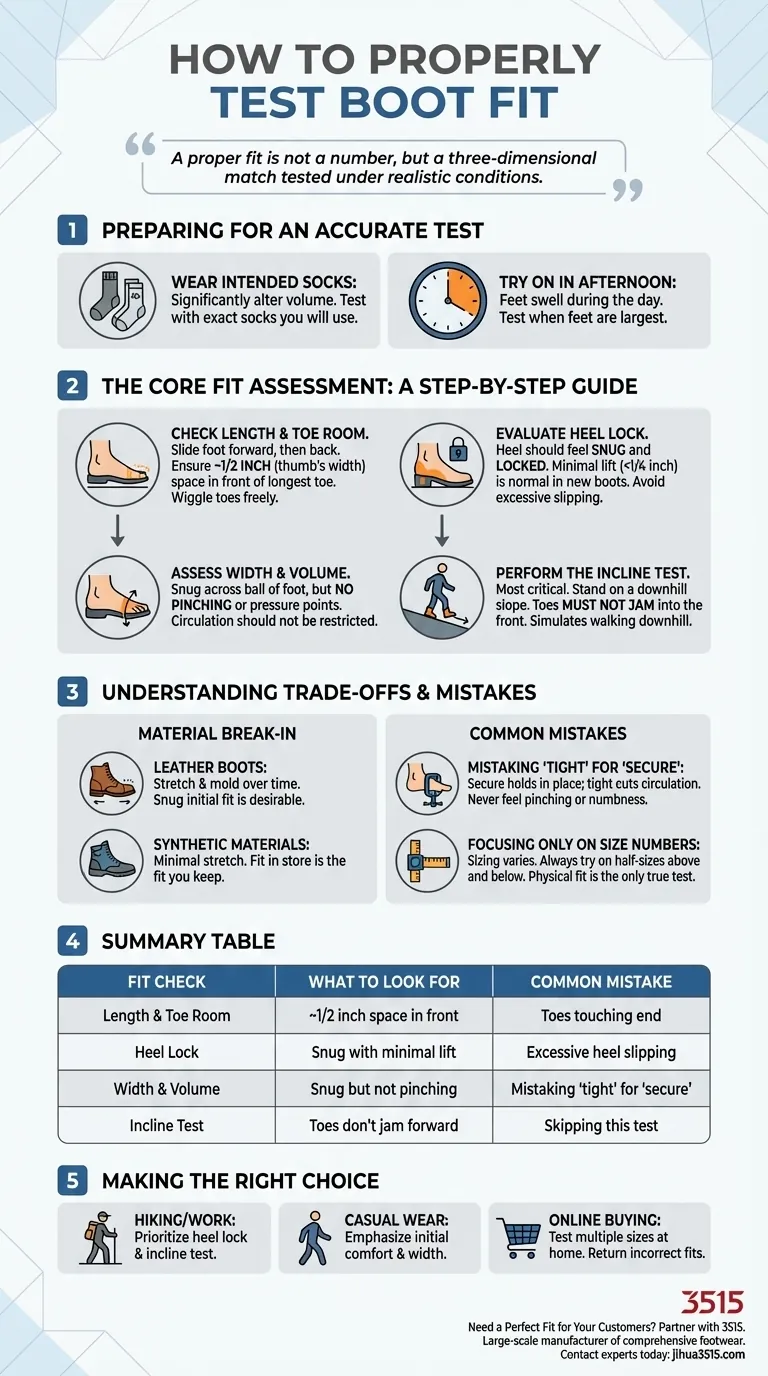
A poorly fitting boot ruins any hiking experience—and can wreck your style too. The foundation of how to wear hiking boots men should prioritize starts with fit.
Lock Your Heel in Place
Your heel should sit firmly with no slippage. When walking downhill, heel lift creates friction, leading to blisters. To test, lace up fully and walk on a slight incline. If your heel lifts more than a few millimeters, your fit is off.
Pro Tip: Use heel-lock lacing—a technique that pulls the heel down snugly using the top eyelets. This simple trick prevents slippage and boosts ankle stability, especially on descents.
Leave Half an Inch of Toe Space
Ensure about ½ inch (1.25 cm) between your longest toe and the front of the boot. Feet swell during long hikes, especially in heat or at altitude. Too tight? You risk black toenails. Too loose? Your foot slides forward, causing blisters and bruising. Try on boots in the afternoon when feet are naturally swollen for a real-world fit.
Break Them In Before the Big Hike
Never wear new hiking boots on a 10-mile trek. Start with short walks on pavement or easy trails for 1–2 weeks. Gradually increase distance to mold the boot to your foot. This prevents painful hotspots and lets you catch fit issues early.
Choose the Right Socks for Comfort and Performance
Socks are the unsung heroes of hiking boot wear. The wrong pair turns a great boot into a blister factory.
Wear Moisture-Wicking, Not Cotton
Always choose merino wool (like SmartWool or Darn Tough) or synthetic blends. These wick sweat, regulate temperature, and resist odor.
❌ Avoid cotton socks—they trap moisture, soften skin, and dramatically increase blister risk. Even a short walk can become painful.
Match Socks to the Season
| Condition | Recommended Socks |
|---|---|
| Warm weather | Lightweight ankle or crew socks |
| Cold weather | Mid-weight or thermal hiking socks |
| Winter/alpine | Expedition-weight or double-layer socks |
For freezing temps, pair thermal socks with insulated boots—but never size up your boots to fit thick socks. That leads to heel slippage and instability.
Master Lacing Techniques for a Custom Fit
Lacing isn’t just about tightness—it’s about customizing fit across your foot.
Use Heel-Lock Lacing
Also known as the runner’s loop, this method secures your heel without squeezing the top of your foot:
- Lace normally up to the second-to-last eyelet.
- Create a loop with each lace end.
- Cross laces over and thread through opposite loops.
- Pull tight and tie normally.
This technique is a game-changer on steep descents.
Skip Eyelets to Relieve Pressure
If you feel pressure on the top of your foot (common with high arches), skip an eyelet in the midfoot or use parallel lacing to reduce tension. This small adjustment can make a big difference in comfort.
Pair Hiking Boots With Jeans for a Classic Look

Jeans are the go-to companion for hiking boots—versatile for both trail and town.
Choose the Right Jean Fit
- Skinny or slim jeans: Tuck neatly into the boot shaft for a clean, modern look.
- Straight-leg jeans: Cuff or hem slightly to avoid bunching.
- Ripped or distressed jeans: Add edge for casual city wear.
Avoid Flared or Baggy Styles
- Boot-cut or flared jeans catch on the boot collar, making them hard to pull on and increasing trip risk.
- Oversized jeans trap dirt and cause chafing during movement.
Style Smartly
- Cuff jeans 1–2 inches for a relaxed, intentional look.
- Match boot color to your belt and accessories—e.g., brown boots with a brown leather belt.
- Top with: Flannel shirts, bomber jackets, or denim-on-denim combos.
Example: Wheat-colored Timberland 6-Inch Boots with blue skinny jeans and a white tee create a timeless urban outdoorsman look.
Style With Chinos for Smart-Casual Versatility

Chinos elevate hiking boots from rugged to refined—perfect for weekend outings or travel.
Why Chinos Work
- Made from durable cotton blends
- Offer structure without stiffness
- Come in versatile colors: khaki, navy, olive, grey
How to Wear
- Tuck chinos into boots for a sharp, intentional look.
- Or cuff slightly to show off the boot’s collar.
- Opt for slim or tapered cuts to avoid bulk.
Outfit Ideas
- Olive chinos + brown hiking boots + grey turtleneck + black puffer = winter city explorer
- Navy chinos + black boots + white shirt + denim jacket = coastal trail-to-cafe style
Wear Hiking Boots With Shorts (Yes, It Works)
Hiking boots with shorts are practical in warm weather and stylish when done right.
Choose the Right Shorts
- Above-the-knee, tapered shorts—avoid wide, baggy styles.
- Quick-dry, technical fabrics for trail use.
- Cotton or linen blends for urban wear.
Never Go Sockless
- Always wear socks—ankle or crew length.
- Choose light-colored, breathable socks to reflect heat.
- Socks prevent blisters and keep feet dry.
Style With Intention
- Beige shorts + black hiking boots + plaid shirt + sun hat = ideal summer hiking outfit
- Match backpack and belt color to boots for a cohesive look
Layer With Leggings for Cold Weather Performance
Men’s performance leggings (or trekking tights) are functional base layers—not just for yoga.
How to Wear
- Tuck leggings fully into boots to keep out debris.
- Pull hiking socks over the cuff for warmth and protection.
- Add thermal socks and insulated boots in freezing temps.
Urban Styling
- Black leggings + black hiking boots + long coat = sleek, minimalist streetwear
- Works especially well with sleek, low-profile hiking shoes
Dress Up With Suit Trousers for Smart-Casual Edge
Hiking boots can go beyond casual—they work with tailored trousers for outdoor formal events.
Choose Sleek, Minimalist Boots
- Opt for black or dark brown boots with clean lines.
- Avoid overly rugged soles or bright colors.
Pair With Tailored Trousers
- Wool or cotton suit trousers in earth tones: charcoal, taupe, olive
- Crisp t-shirt or turtleneck
- Wool coat, bomber, or field jacket
Example: Black Melvin & Hamilton hiking boots with grey wool trousers and a cream turtleneck = refined cold-weather look for city or countryside weddings.
Match With Cargo Pants for Utility Style
Cargo pants and hiking boots are a natural duo—built for function and adventure.
Why They Work
- Multiple pockets for gear
- Durable fabric for rough terrain
- Loose fit allows layering in winter
Styling Tips
- Coordinate colors: brown boots with khaki cargos, black with grey
- Tuck pants into boots or wear slightly cuffed
- Add a matching field jacket or vest for full adventurer aesthetic
Example: Brown cargos + black hiking boots + denim jacket + face cap = ultimate rainforest-ready outfit
Adapt to Seasons for Year-Round Wear
Hiking boots are year-round footwear when styled and layered correctly.
Winter: Layer for Warmth
- Insulated, waterproof boots with Gore-Tex lining
- Thermal base layer + mid-weight leggings
- Expedition socks + gaiters to block snow
- Pair with: Wool trousers, puffers, turtlenecks
- Tip: Aggressive lug soles (e.g., Vibram) improve traction on ice
Summer: Stay Cool and Light
- Lightweight, breathable boots without insulation
- Moisture-wicking socks and shorts
- Avoid dark, non-breathable boots in extreme heat
- Use gaiters to keep dust and bugs out
Spring/Fall: Ideal for Mid-Weight Boots
- Moderate insulation for variable temps
- Crew socks in merino or synthetic
- Layer with: Denim shirts, vests, light jackets
- Pair with: Jeans, chinos, or convertible pants
Style Hiking Boots as a Fashion Statement

Hiking boots have crossed into high fashion—no longer just for the trail.
Why They’re Trendy
- Timberland Yellow Boots—iconic since 1973
- Celebrity-worn by Pharrell, Karlie Kloss, and streetwear icons
- Streetwear staple in hip-hop, grunge, and luxury fashion
Fashion Outfit Ideas
1. Indigo Americana
- Faded blue jeans
- Brown suede hiking boots
- Denim shirt + leather jacket
- Brown belt
- Vibe: Classic American workwear
2. Monochromatic Black
- Black hiking boots
- Black wide-leg denim
- Black puffer + grey cashmere turtleneck
- Vibe: Urban, sleek, modern
3. Crispy Autumn Look
- Sand suede hybrid hiker
- White jeans + cream turtleneck
- Beige belt
- Vibe: Refined adventurer
4. Color Blocking
- Brown grain leather boots
- Dark green tailored trousers
- Bright red vintage parka
- Vibe: Bold, fashion-forward, adventurous
Can You Wear Hiking Boots Every Day?
Yes—modern hiking boots are built for daily wear.
Benefits of Everyday Use
- Break them in naturally—no painful “trail debut”
- Premium leather develops a rich patina over time
- Cushioned insoles and anti-fatigue soles support long walks
- Waterproofing protects in rain and snow
- Durable construction withstands city pavement and stairs
Example: The Timberland Men’s Premium 6-Inch Boot is designed for urban life and trail use—featuring direct-attach construction, removable footbed, and rustproof hardware.
Final Note: Wearing hiking boots for men is about more than just function—it’s a balance of fit, comfort, and style. Whether you’re hiking a mountain ridge or walking to work, the right pairing keeps your feet protected and your look sharp. Follow these guidelines to master how to wear hiking boots men can trust in any environment.


