How to Clean Merrell Hiking Boots
You just finished a challenging hike—your legs are tired, your pack is light, and your Merrell hiking boots are caked in mud, dust, and trail grime. They’ve earned every speck of dirt, but now it’s time to give them the care they deserve. Cleaning your Merrell hiking boots isn’t just about looks; it’s about preserving performance, comfort, and longevity. A poorly cleaned boot can lose its waterproofing, develop odors, crack at the seams, or even fail mid-hike.
The good news? Cleaning your Merrell boots doesn’t have to be complicated—if you do it the right way. The key is matching your cleaning method to the boot’s material: nubuck, suede, full-grain leather, or mesh. Each requires a tailored approach. With the right tools and routine, you can remove stubborn dirt, eliminate odors, safely dry your boots, and reapply protection to keep them trail-ready for years.
This guide walks you step-by-step through the complete cleaning and maintenance process, based on Merrell’s official care recommendations, user-tested practices, and material-specific best practices. By the end, you’ll know exactly how to keep your boots performing like new—no matter how tough the terrain.
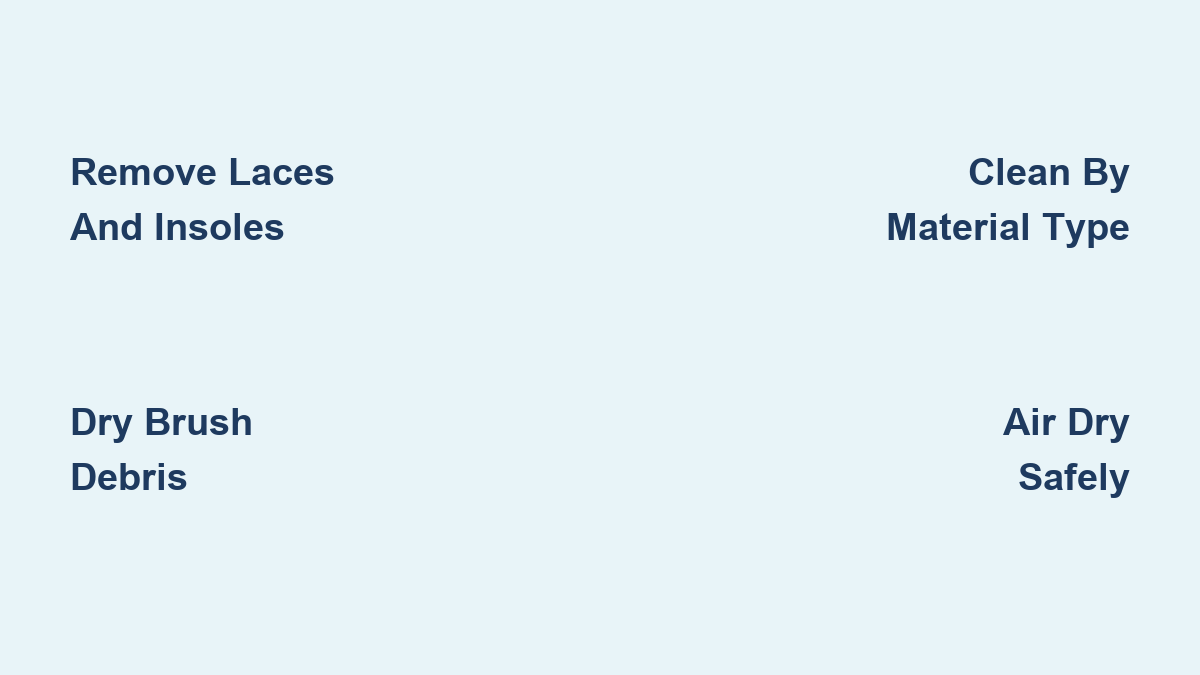
Remove Laces and Insoles Before Cleaning
Always start by removing the laces and insoles. This gives you full access to the interior and upper, ensuring no trapped dirt or moisture leads to mold, odor, or material breakdown. It also allows you to clean these sweat-prone components separately—critical for hygiene and comfort.
Clean Insoles by Hand
Hand-wash insoles using mild soap and lukewarm water. Gently scrub with a soft brush if needed, focusing on stained or smelly areas. Rinse thoroughly to remove all soap residue, which can break down foam over time. Pat dry with a towel, then air dry completely—never use a dryer, heater, or direct sunlight. For odor control, sprinkle baking soda on the insoles, let sit for 15–30 minutes, then tap off the excess. Repeat monthly or whenever they start to smell.
Wash and Replace Worn Laces
Soak laces in the same soapy water used for insoles. Swish them around to loosen embedded dirt, then rinse and hang to dry. If your laces are frayed, stretched, or no longer hold knots well, replace them. Consider upgrading to waxed laces for durability or antimicrobial varieties to reduce odor buildup.
Dry Brush Loose Dirt After Every Hike
Before any wet cleaning, always start with a dry brush. Tap the boots together or shake them to dislodge loose debris. Then use a soft-bristled brush—like a toothbrush, suede brush, or dedicated shoe brush—to sweep away dust, grit, and dried mud from the upper, seams, tongue, and eyelets.
Focus on High-Debris Zones
Pay extra attention to the toe cap, around the laces, and along the midsole edge—common spots where dirt accumulates. For mesh boots, gently brush the fabric to prevent clogging of breathable fibers. This step is essential: leaving abrasive particles on the surface can scratch or wear down materials during cleaning.
Clean the Upper Based on Material Type
Merrell hiking boots come in various materials, each requiring a different cleaning strategy. Using the wrong method—like soaking suede or scrubbing mesh too hard—can cause irreversible damage. Match your approach to your boot’s upper.
Care for Full-Grain Leather Boots
Full-grain leather is durable and ages beautifully, but it needs gentle cleaning and regular conditioning. After dry brushing, wipe the surface with a slightly damp cloth and a few drops of mild soap. Avoid soaking or using hot water. For stubborn stains, gently scrub with a soft brush in small circles. Rinse by wiping with a clean, damp cloth to remove soap residue.
Once dry, apply a leather conditioner to restore natural oils and prevent cracking—especially important if you hike in dry or cold climates. Use sparingly and test on a small area first.
Re-Waterproof Smooth Leather
After cleaning, reapply a wax-based protector or spray designed for smooth leather. Apply evenly, let it absorb for 10–15 minutes, then buff lightly with a cloth. This restores water resistance and shields against future stains.
Clean Nubuck and Suede Without Damage

Nubuck and suede are soft and breathable but highly sensitive to moisture. Over-wetting can cause dark spots, stiffness, or texture loss. Start by brushing with a nubuck or suede brush to lift surface dirt. For scuffs, use a suede eraser—rub gently in one direction until the mark fades.
Spot Clean Only—Never Soak
Never submerge or soak nubuck and suede. For stains, lightly dampen a cloth (not the brush) and dab the area—don’t rub aggressively. Blot with a dry towel and let air dry completely. Once dry, brush the surface to restore the soft nap.
Use a Nubuck-Specific Protector
After cleaning, spray with Nikwax Nubuck & Suede Proof. It can be applied to slightly damp boots: spray evenly, wait two minutes, wipe off excess, and air dry overnight. This treatment maintains breathability while adding water and stain resistance.
Wash Mesh and Knit Boots Gently
Mesh uppers are lightweight and breathable but trap dirt and sweat in their fibers. Use a soft brush and mild soapy water to gently scrub stained areas. Avoid aggressive scrubbing, which can fray the fabric. Wipe clean with a damp cloth, then press out excess water—do not twist or wring.
Never Machine Wash or Dry
Never put mesh Merrell boots in the washing machine or dryer. The agitation can break down glue, collapse cushioning, and tear the fabric. Even if the boots look tough, internal damage happens fast. Stick to hand cleaning only.
Clean the Outsole and Tread Thoroughly
Mud-packed lugs reduce traction and add unnecessary weight. Use a stiff brush—like an old toothbrush or nail brush—to scrape out debris from the grooves. For dried mud, let it soften slightly, then brush it out.
Rinse Outsoles Safely
If your boots are heavily caked, rinse the outsole under a gentle stream of water. Avoid high-pressure hoses—they can force water inside, compromising waterproof membranes. Never submerge the entire boot.
Remove Scuff Marks from Rubber
For scuffed midsoles, use a melamine foam sponge (like a Magic Eraser) or soft eraser. Dampen slightly and wipe in smooth strokes—don’t scrub hard, as this can wear down rubber over time.
Dry Boots Safely to Prevent Damage
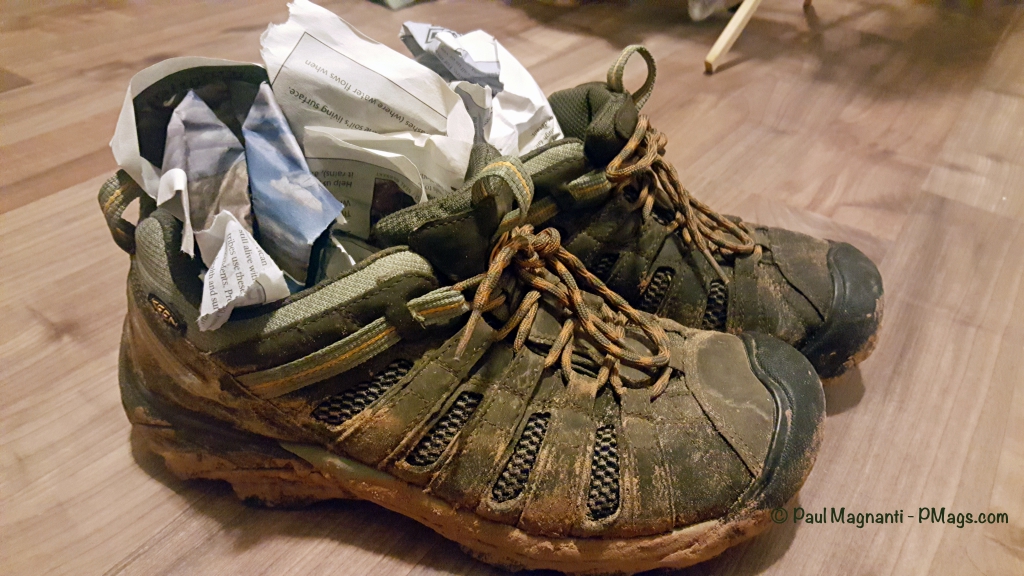
Improper drying is one of the most common causes of boot failure. Heat from radiators, dryers, or direct sun can warp soles, crack leather, and weaken adhesives. Always air dry at room temperature.
Stuff with Newspaper or Towels
Remove insoles and laces, then stuff the boots with crumpled newspaper or dry towels. This absorbs internal moisture and helps maintain shape. Replace the paper as it gets wet. Expect 12–24 hours for full drying, depending on how wet they are.
Avoid Heat Sources at All Costs
Never place boots near a heater, fireplace, or in a hot car. If you’re in a rush, use a shoe dryer on a low or cool setting. A hair dryer on cool mode can help dry insoles quickly—but keep it moving and avoid prolonged exposure.
Re-Waterproof After Every Deep Clean

Cleaning strips away natural oils and existing waterproofing. To maintain performance in wet conditions, reapply a protector suited to your boot’s material.
Choose the Right Waterproofing Spray
| Boot Material | Best Product | Why It Works |
|---|---|---|
| Smooth Leather | Leather conditioner + wax or spray | Conditions and seals pores |
| Nubuck & Suede | Nikwax Nubuck & Suede Proof | Penetrates without clogging fibers |
| Mesh & Synthetic | Lightweight spray protector | Adds barrier without reducing breathability |
Apply Waterproofing Correctly
Always clean and dry boots first. Spray evenly from 6 inches away. For Nikwax products, apply to slightly damp boots—wait 2 minutes, wipe off excess, then let dry overnight. Test on a small area to check for discoloration.
How Often Should You Re-Waterproof?
- Every 3–6 months for regular hikers
- Before and after long backpacking trips
- After deep cleaning or heavy rain exposure
Avoid Common Cleaning Mistakes
Even experienced hikers make mistakes that shorten boot life. Avoid these critical errors:
- Never machine wash or dry—destroys glue, foam, and fabric.
- Skip harsh cleaners like bleach or ammonia—they degrade materials and fade colors.
- Don’t store damp boots—leads to mold, mildew, and persistent odors.
- Always condition leather—unconditioned leather dries out and cracks.
- Never skip insole cleaning—dirty insoles cause odor and reduce comfort.
Maintain Boots After Every Hike
Long-term care starts with simple habits. These quick steps take less than five minutes but make a big difference:
- Knock off loose dirt—tap boots together or use a trail brush.
- Wipe down uppers—use a damp cloth or footwear cleaning wipes for synthetic overlays.
- Air out insoles—remove and let them breathe overnight.
Store Boots Properly for Longevity
How you store your boots affects their shape and performance.
Keep in a Cool, Dry Place
Avoid hot garages, damp basements, or sealed plastic bags. Moisture and heat degrade materials over time.
Use Shoe Trees or Paper
Stuff boots with shoe trees or clean paper to maintain shape and absorb residual moisture.
Keep Away From Sunlight
UV exposure fades colors and weakens adhesives. Store in a closet or use a breathable shoe bag.
Complete Merrell Boot Care Checklist
| Step | Action | Frequency |
|---|---|---|
| 1 | Remove laces and insoles | Every cleaning |
| 2 | Dry brush loose dirt | After every hike |
| 3 | Clean upper with mild soap and damp cloth | Weekly or after muddy use |
| 4 | Clean outsole and lugs | After trail use |
| 5 | Wash insoles and laces | Monthly or when smelly |
| 6 | Air dry with newspaper inside | After every wash |
| 7 | Condition leather | Every 3–6 months |
| 8 | Reapply waterproofing | Every 3–6 months or pre-wet season |
| 9 | Store in dry, ventilated area | Always |
Final Note: Cleaning your Merrell hiking boots the right way ensures they stay comfortable, odor-free, and ready for every adventure. By following material-specific methods, drying safely, and maintaining waterproofing, you’ll extend their life and performance. Whether you’re hiking rugged trails or weekend paths, proper care means your boots will support you—mile after mile.