How to Clean Lowa Hiking Boots: Easy Steps
Coming home from a rugged trail with muddy, sweat-drenched LOWA hiking boots? Don’t stash them in the closet just yet. Knowing how to clean LOWA hiking boots properly is the key to preserving their legendary durability, waterproof performance, and long-term comfort. These boots are built for alpine ascents and backcountry treks—but even the toughest gear fails without care. Skipping post-hike maintenance leads to cracked leather, lingering odors, and compromised GORE-TEX® breathability. Worse, using the wrong products can void your warranty. This guide delivers a full, brand-approved cleaning and care process straight from LOWA’s official recommendations. You’ll learn how to safely remove grime, dry without damage, re-waterproof effectively, and condition leather—all while avoiding common mistakes that shorten boot life. Follow these steps, and your LOWAs will keep performing, hike after hike.
Remove Laces and Insoles Before Cleaning
Start every cleaning session by disassembling your boots for a deep clean.
Pull Out Insoles and Unlace Completely
Before touching water or cleaner, remove the laces and insoles. Sweat penetrates deep under the footbed, and moisture trapped around the tongue accelerates odor and material breakdown. Taking these parts out lets you:
– Clean hidden areas like the collar and tongue gusset
– Dry the interior thoroughly
– Prevent warping during drying
Set the insoles aside to air out. If they’re damp or smelly, wash them gently with mild soap and lukewarm water, then let them dry naturally—never near a heater or in direct sunlight.
Brush and Rinse Off Trail Grime

Clean your boots as soon as possible—ideally while still slightly damp.
Clean While Damp, Not Dry
Letting mud dry on your boots pulls moisture from the leather, making it stiff and prone to cracking. The longer you wait, the harder it is to clean—and the more damage occurs.
Use a Soft Brush to Remove Surface Dirt
Grab a soft-bristle brush or LOWA Polishing Brush and gently scrub away loose dirt from the upper, seams, and sole. Focus on:
– Eyelets and lace loops
– Toe cap and flex zones
– Tongue and ankle collar
Avoid wire brushes or stiff tools—especially on nubuck or suede, which scratch easily.
Rinse With Lukewarm Water Only
Hold your boots under lukewarm running water—not hot, not cold. Use gentle pressure to rinse off mud and soap residue. Never use a high-pressure hose; it can force water past the GORE-TEX® liner, trapping moisture inside.
For stubborn dirt:
– Apply LOWA Shoe Clean or a pH-neutral soap
– Use a triangular cleaning brush to reach textured areas
– Work the cleaner into seams and crevices
Rinse thoroughly inside and out if soap was used.
✅ Pro Tip: Never use detergents, bleach, or solvents. These degrade adhesives and strip natural oils from leather.
Air Dry Boots Safely and Completely
Improper drying is one of the top reasons for boot failure.
Dry in a Cool, Ventilated Room
Place boots in a well-ventilated area at room temperature (15–25°C / 59–77°F). Avoid:
– Direct sunlight (UV weakens materials)
– Radiators, hairdryers, or ovens
– Hot cars or garages
Heat causes leather to shrink, glue to fail, and midsoles to degrade.
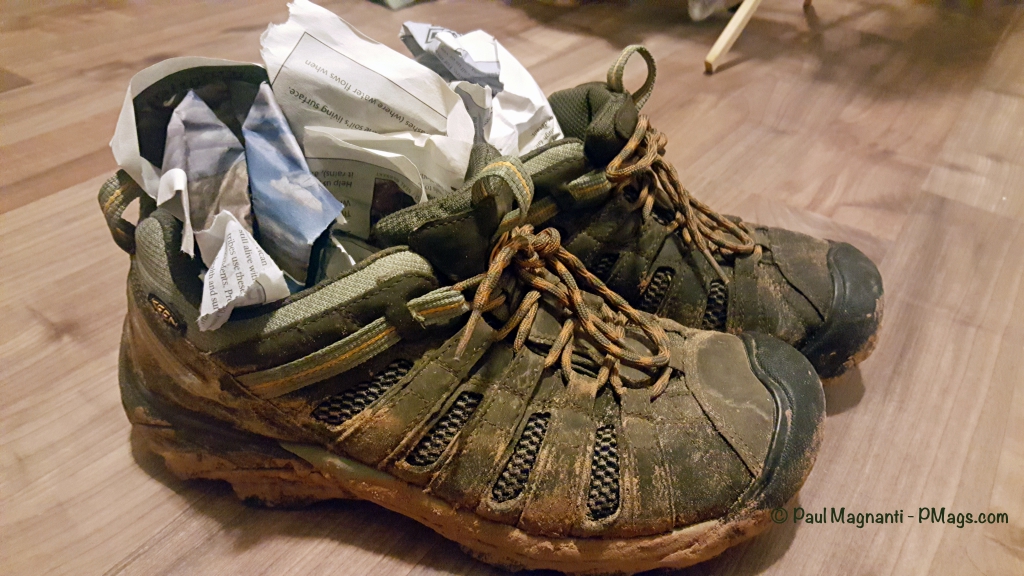
Stuff with Newspaper or Shoe Trees
Insert crumpled newspaper to absorb moisture and maintain shape. Replace it daily until boots are fully dry—this can take 24 to 48 hours. For better results, use wooden shoe trees, which wick humidity and reduce creasing.
⚠️ Warning: Never store boots while damp. Moisture leads to mold, odor, and irreversible material damage.
Re-Waterproof With LOWA Impregnation Spray
Water resistance fades—regular re-treatment keeps your boots performing.
Apply Spray While Slightly Damp
For optimal absorption, apply waterproofing spray when boots are slightly damp—not wet. Moisture opens leather pores, allowing deeper penetration.
Choose the Right LOWA Water Stop Product
- LOWA Water Stop PRO (solvent-based): Best for damp leather
- LOWA Water Stop ECO (water-based): Can be used on dry boots
Both restore water and dirt repellency without blocking breathability.
Spray and Distribute Evenly
- Shake the can well
- Hold 15–20 cm (6–8 inches) from the boot
- Spray the entire upper, including seams and stitching
- Use a soft cloth or sponge to spread the liquid evenly
- Let cure for 24 hours before wearing
Focus on high-wear areas like the toe and flex zones.
✅ Check: Reapply when water no longer beads on the surface.
Condition Leather to Prevent Cracking
Leather needs hydration to stay flexible and durable.
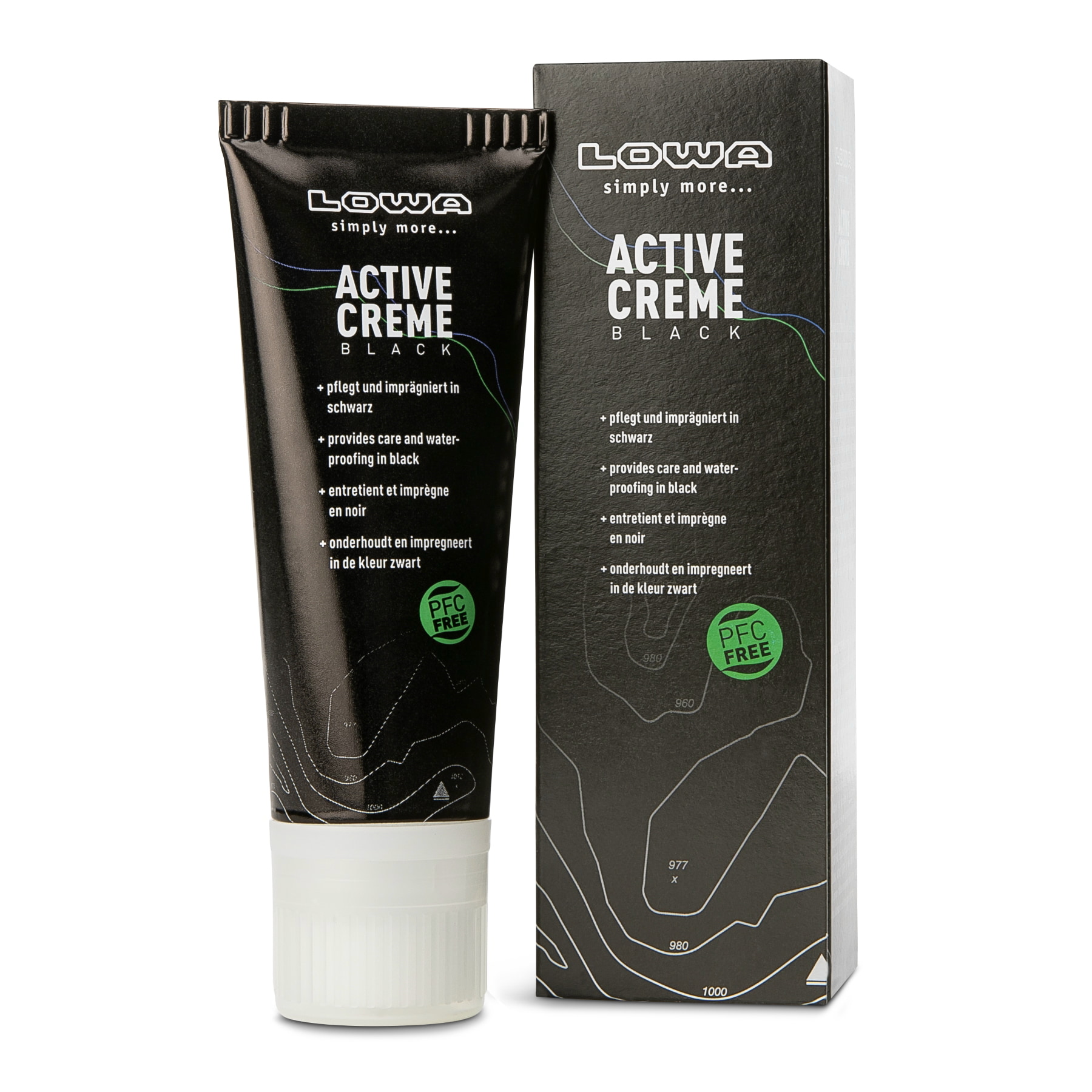
Use LOWA Active Cream Only
Apply LOWA Active Cream—a water-based conditioner—after waterproofing, while boots are still slightly damp. Never use wax, oil, or petroleum-based products. These clog pores, trap moisture, and void your warranty.
Target High-Stress Areas
Use a cloth or brush to work the cream into:
– Ball of the foot
– Heel and ankle collar
– Any dry or stiff spots
Use circular motions to deeply nourish the leather.
Wipe Off Excess
After application, wipe away any residue with a dry cloth. Leftover cream attracts dust and creates a sticky surface.
⚠️ Note for Nubuck/Suede: Active Cream will darken the color and slightly smooth the texture. This is normal and not a defect.
Final Drying and Curing Period
Never rush the final stage.
Let Boots Cure for 24 Hours
Even if they feel dry, wait 24 hours after conditioning and waterproofing before wearing. Premature use reduces product effectiveness and risks internal moisture buildup.
Optional: Use a Low-Heat Boot Dryer
If needed, use a Peet Dryer or similar low-heat model on the lowest setting. Never exceed manufacturer guidelines. Natural air drying is always preferred.
Special Care for Different LOWA Boot Types
Tailor your routine to your boot’s materials.
GORE-TEX® Lined Boots
The membrane keeps feet dry from sweat—but does not protect the upper. You must still:
– Clean and condition the leather
– Reapply waterproofing regularly
❌ Never use wax or oil—these block breathability and compromise GORE-TEX® function.
Nubuck and Suede Uppers
Delicate and stylish, but high-maintenance:
– Clean with a triangular brush
– Condition monthly
– Avoid over-spraying—too much impregnation causes glossiness
– Lightly brush after drying to restore texture (full nap recovery isn’t guaranteed)
Synthetic Uppers (e.g., Innox Pro GTX)
No leather means no conditioning needed. But you should still:
– Wipe with a damp cloth and mild soap
– Apply Water Stop ECO to seams and textile panels
– Re-waterproof regularly
Smooth Leather
Easiest to maintain:
– Resists texture changes
– Still requires conditioning to prevent cracking
– Responds well to cream and spray treatments
Store Boots the Right Way
Long-term storage matters just as much as cleaning.
Keep in a Cool, Dry, Ventilated Space
Store away from:
– Sunlight
– Heat sources
– Humid basements or garages
Ideal: a closet shelf or breathable shoe bag.
Insert Shoe Trees or Paper
Use shoe trees or crumpled newspaper to maintain shape and absorb residual moisture.
Never store in plastic bags—they trap humidity and encourage mold.
Re-Waterproof Before Storage
Apply Water Stop PRO or ECO before putting boots away. This protects against environmental moisture during downtime.
Avoid Warranty-Voiding Mistakes
Your LOWA boots come with a strong build—but misuse voids coverage.
Never Do These:
- Use wax, beeswax, or Sno-Seal
- Apply oil, grease, or Vaseline
- Machine wash or dry
- Dry near heaters or in direct sun
- Use non-recommended products
These damage adhesives, block breathability, and accelerate material failure.
🛑 Fact: Just one application of wax can void your warranty.
Stick to LOWA-approved products:
– Shoe Clean
– Active Cream
– Water Stop PRO/ECO
– Triangular or Polishing Brush
The LOWA CARE SET ECCO includes all three core products—ideal for routine upkeep.
Debunking Common Boot Care Myths
Don’t believe outdated advice.
“GORE-TEX® Boots Don’t Need Care”
False. The membrane protects from internal moisture, but the leather upper still needs cleaning and conditioning.
“All Boots Can Be Resoled”
False. Cemented boots (like the Renegade) can be resoled. Injection-molded soles (e.g., ALL TERRAIN CLASSIC) cannot—only heel patches may be possible.
“Greasing Leather Keeps It Waterproof”
False. Modern leathers rely on breathable membranes and water-based treatments. Oils and greases clog pores, trap sweat, and weaken glues.
“Boots Last Forever With Care”
False. Even perfectly maintained boots suffer from hydrolysis—natural breakdown of PU midsoles over time. Wear boots at least every 3 months to slow this process.
Ultimate LOWA Boot Care Checklist
Use this quick reference to stay on track.
✅ After Every Hike:
- Remove laces and insoles
- Brush off dirt while damp
- Rinse with lukewarm water
- Air dry in cool, ventilated space
✅ Every 3–4 Weeks:
- Spray with LOWA Water Stop PRO/ECO
- Let cure 24 hours
✅ Monthly (Frequent Use) or Quarterly (Occasional):
- Clean with LOWA Shoe Clean
- Apply LOWA Active Cream
- Focus on flex zones and sweat areas
✅ Before Long Storage:
- Clean and dry completely
- Reapply waterproofing
- Insert shoe trees or paper
- Store in breathable container
❌ Never:
- Use wax, oil, or grease
- Machine wash
- Dry with heat or in sun
- Store wet or in plastic
Final Note: Cleaning LOWA hiking boots isn’t complicated—but doing it right makes all the difference. Stick to water-based, brand-recommended products, avoid heat at all costs, and maintain a consistent routine. With proper care, your LOWA boots will deliver reliable support, comfort, and waterproof protection for years across alpine trails, rugged backcountry, and everything in between.