
How to Care for Hiking Boots: Simple Maintenance Tips
There’s nothing worse than stepping onto the trail with stiff, smelly, or waterlogged hiking boots. Your feet bear the brunt of every mile, and when your boots fail, so does your hike. But here’s the good news: with just a few consistent habits, how to take care of hiking boots becomes second nature—and the payoff is huge. Proper maintenance can stretch the life of a quality pair from a few seasons to a decade or more, saving you money, preventing blisters, and keeping your feet dry and supported no matter the terrain.
Most hikers invest heavily in finding the perfect boot but overlook what happens after the purchase. Dirt acts like sandpaper, grinding down seams with every step. Dried mud pulls moisture from leather, leading to cracks. Heat from improper drying warps soles and weakens adhesives. And skipped waterproofing means soggy socks on even light drizzles. The solution? A simple, repeatable routine that starts the moment you return from the trail. This guide breaks down how to take care of hiking boots—step by step—so you can keep them performing at their best, hike after hike.
Clean Hiking Boots After Every Hike
Dirt isn’t just messy—it’s destructive. Grit, mud, and trail debris wear down materials every time your boot flexes. Cleaning after each hike stops this damage before it starts.
Brush Off Mud and Debris Immediately
As soon as you’re off the trail, knock off loose dirt. Use a stiff boot brush or old toothbrush to scrub the outsoles, eyelets, and seams. Pay special attention to the deep lugs—packed mud reduces traction and traps moisture. For dusty boots, a dry cloth works fine.
Pro Tip: Clean muddy boots within hours. Once mud dries, it pulls moisture from leather, increasing the risk of cracking and stiffness.
Wash with Mild Soap When Deep Cleaning
When boots are heavily soiled, a full wash is essential:
- Remove laces and insoles—they can be cleaned separately and dry faster.
- Rinse under lukewarm water—a sink or garden hose works well.
- Apply a mild cleaner like Dawn dish soap, Nikwax Footwear Cleaner, or ReviveX.
- Scrub all surfaces, especially seams and the outsole.
- Rinse thoroughly to remove all soap residue, which can degrade fabrics over time.
Warning: Never machine wash. The agitation tears stitching, damages waterproof membranes, and can separate the sole.
Dry Hiking Boots the Right Way

Improper drying destroys boots faster than trail wear. Heat and humidity are the enemies.
Air Dry at Room Temperature Only
Always dry boots in a well-ventilated, shaded area. Avoid radiators, hairdryers, campfires, and direct sunlight—these can melt glue, crack leather, and warp midsoles. Even a warm car dashboard can do lasting damage.
Stuff Boots to Absorb Moisture and Hold Shape
Insert crumpled newspaper, drying socks, or boot shapers. Replace paper as it becomes damp. This helps pull moisture from the interior and keeps the boot’s structure intact. Allow 24–48 hours to dry fully, depending on thickness and humidity.
Note: Waterproof boots (like those with Gore-Tex) can get wetter during cleaning but still need slow, natural drying. Never rush the process.
Condition Full-Grain Leather Boots Regularly
Leather needs moisture to stay flexible. Without conditioning, it dries out and cracks.
Know When to Condition
Condition after deep cleaning or every 6–12 months, especially if the leather feels stiff or shows fine lines. Frequent hikers in dry climates may need to condition more often.
Choose the Right Conditioner
Use hiking-specific products like Nikwax Conditioner for Leather or Aquaseal Leather Waterproofing and Conditioner. Avoid Mink Oil—it over-softens leather, weakening ankle support and reducing durability.
Apply Properly and Sparingly
- Clean boots first and let them dry slightly—conditioner absorbs best into damp leather.
- Rub a small amount into the surface with a soft cloth.
- Focus on high-flex zones: heels, toes, and ankle collars.
- Wipe off excess and let dry overnight.
Important: Do not condition suede or nubuck. These materials require spray protectants instead.
Re-Waterproof Boots to Stay Dry
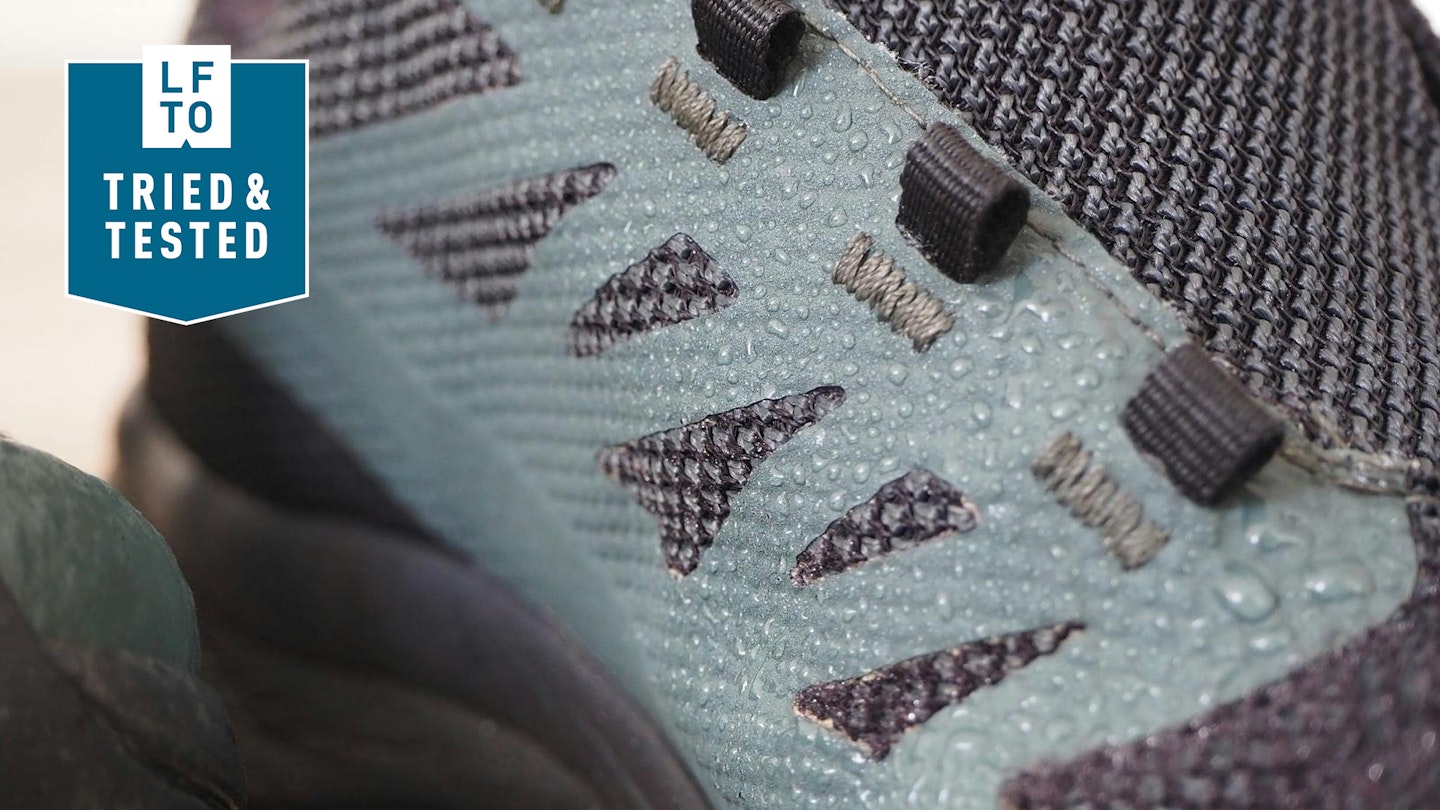
Waterproofing fades over time. Reapplication keeps the outer fabric from soaking up water.
Spot the Signs You Need Re-Waterproofing
- Water no longer beads on the upper.
- The fabric darkens quickly in light rain.
- Your feet feel damp even though the internal liner isn’t leaking.
Pick the Right Treatment for Your Boot Type
| Boot Type | Best Waterproofing Product |
|---|---|
| Full-grain leather | Wax-based (e.g., Aquaseal, Nikwax Leather Proof) |
| Synthetic or mixed materials | Spray-on (e.g., Nikwax Fabric & Leather Proof) |
| Nubuck or suede | Nubuck-specific spray protectant |
Apply for Long-Lasting Protection
- Clean boots first—dirt blocks absorption.
- Apply when boots are slightly damp.
- Cover all exterior surfaces, especially seams.
- Let dry completely (12–24 hours).
- Test with a water splash—beading means success.
Reminder: Re-waterproofing treats the outer fabric, not the internal membrane. If water leaks from inside, the liner may be damaged and need professional repair.
Deodorize and Freshen the Interior
Sweat and bacteria cause persistent odors. Prevent them with simple daily habits.
Air Out Boots Right Away
After every hike, remove insoles and loosen laces. Let boots breathe for at least 12 hours in a dry, ventilated area.
Use Baking Soda or Disinfectant Spray
- Baking soda: Sprinkle inside, leave overnight, then shake out.
- Odor-killing spray: Use formulas like NST Disinfectant. Spray inside and let dry fully.
Clean or Replace Insoles
Wash removable insoles with mild soap and water. Replace them every 6–12 months or when they’re compressed, worn, or permanently smelly. Upgraded insoles like Superfeet or Ortholite add support and moisture-wicking.
Never use bleach—it damages linings and can irritate your skin.
Replace Worn Parts to Extend Boot Life

Small fixes can add years to your boots.
Swap Out Insoles and Laces
- Insoles wear out before the boot. Replace when cushioning fades.
- Laces stretch or fray. Measure your old ones and buy durable replacements—waxed laces offer better grip and longevity.
Repair Heel and Toe Caps Early
Chipped rubber caps can be fixed by a cobbler. Early repair prevents water from seeping in and damaging the upper.
Tip: Brands like KEEN offer official replacement insoles. Laces are widely available online.
Store Boots Properly Between Seasons
Poor storage ruins boots. Mold, warping, and material breakdown are preventable.
Prepare Boots Before Storage
- Clean and dry completely.
- Re-waterproof and condition (if leather).
- Remove insoles and loosen laces.
Store in a Cool, Dry, Breathable Space
- Use a mesh bag or open shelf—never plastic.
- Keep in a cool, dark, ventilated area (not garages or basements).
- Stuff with paper or boot shapers to maintain shape.
Avoid airtight containers—they trap moisture and encourage mildew.
Inspect Boots for Damage Regularly
Catch small problems before they become trail-ending failures.
Check These Key Areas
- Outsole: Tread should have visible depth. Replace if lugs are flat.
- Midsole: Look for cracks or compression, especially near the heel.
- Stitching: Loose threads or unraveling seams need repair.
- Eyelets: Must be secure and rust-free.
- Waterproofing: Test with a water bead test.
- Hydrolysis: On boots older than 5 years, check for crumbling midsoles—common in polyurethane.
Resole Before It’s Too Late
Resole when the tread is worn but the upper is still solid. Delaying makes repair harder or impossible. Use a professional cobbler or brand-authorized service like SCARPA’s resole network.
Why resole? It’s cheaper than new boots and more sustainable.
Rotate Between Two Pairs for Maximum Longevity
Frequent hikers benefit from owning two pairs.
Benefits of Rotation
- Allows full drying—critical for odor control and material health.
- Reduces stress on adhesives and midsoles.
- Extends total lifespan by spreading out wear.
Ideal setup: One pair for wet/muddy trails, one for dry/dusty conditions.
Care for Your Boot’s Specific Material
Different materials need different care.
Full-Grain Leather
- Durable but high-maintenance.
- Clean with mild soap; avoid soaking.
- Condition every 6–12 months.
- Use wax-based waterproofing.
Synthetic or Fabric Uppers
- Lightweight and quick-drying.
- Spot clean with mild detergent.
- Use spray waterproofing.
- Tolerate more frequent cleaning.
Waterproof Membranes (e.g., Gore-Tex)
- Clean regularly to prevent pore clogging.
- Re-waterproof outer fabric to maintain breathability.
- Never machine wash—destroys membrane.
Suede and Nubuck
- Do not condition with oils.
- Use nubuck-specific cleaner and brush.
- Apply spray protectant.
- More prone to water absorption.
Boots with Faux Fur Linings
- Found in winter models.
- Spot clean only—never machine wash.
- Air dry away from heat.
- Heat melts faux fur fibers.
Follow a Simple Boot Care Schedule
Stay consistent with this routine:
| Timeframe | Action |
|---|---|
| After every hike | Remove insoles, air out, brush off dirt |
| After muddy hike | Deep clean before mud dries |
| Every 6–12 months | Deep clean, re-waterproof, condition (if leather) |
| Before storage | Clean, dry, treat, store properly |
| When performance drops | Inspect, repair, or resole |
Expert Note: Some hikers clean only when performance declines—using a damp cloth for daily upkeep.
Avoid These Common Boot Care Mistakes
Prevent avoidable damage:
- ❌ Never machine wash or dry—destroys glue, membranes, and structure.
- ❌ Never use direct heat to dry—causes sole separation and cracks.
- ❌ Don’t over-condition—softens leather too much, reducing support.
- ❌ Avoid Mink Oil—it degrades hiking boot leather integrity.
- ❌ Don’t store wet or in plastic—invites mold and odors.
Final Note: Knowing how to take care of hiking boots isn’t about complicated rituals—it’s about consistency. A few minutes after each hike can save you hundreds of dollars and keep your feet comfortable for years. Treat your boots like trusted trail companions, and they’ll carry you safely across every mountain, forest, and river you dream of conquering.