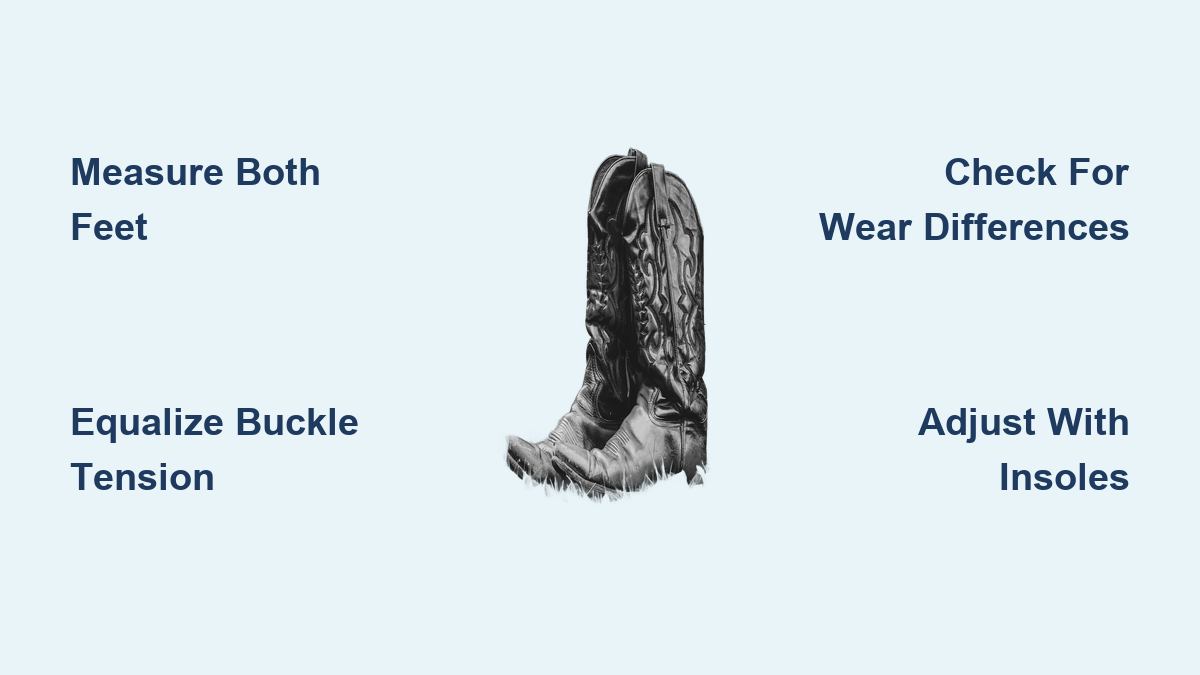
Why One Boot Feels Tighter: Quick Fix
You slip on your boots, take a few steps, and immediately notice it: one foot feels snug, even tight, while the other has wiggle room or heel lift. You check the labels: same size, same model, same pair. So why does one boot feel tighter than the other? This common but frustrating issue affects everyone from hikers and skiers to office workers in dress boots. The answer is rarely a defective product. It is usually a mix of your body’s natural asymmetry, how you adjust your boots, and wear patterns over time.
Contrary to what many assume, human feet are almost never perfectly identical. In fact, most people have one foot that is longer, wider, or shaped differently than the other. When that asymmetry meets a rigid or performance-oriented boot, like ski, snowboard, or work boots, the fit discrepancy becomes impossible to ignore. Add in inconsistent buckle tension, uneven liner compression, or past injuries, and the sensation of one boot being tighter intensifies. The good news? This is not a flaw in you or your gear. It is a solvable mismatch. This guide breaks down the real causes, how to diagnose which one applies to you, and the most effective fixes, from quick DIY tweaks to professional solutions.
Foot Asymmetry Is Normal

One Foot Is Usually Bigger
It is not your imagination. Most people have one foot larger than the other. This difference can be in length, width, arch height, or volume. Even a 3 to 5 mm variation can create noticeable discomfort in snug-fitting boots. The larger foot will press against the shell, causing pressure points, while the smaller foot may slide or feel loose. Because of this, boots should always be sized to fit the larger foot, then adjusted for the smaller one. Trying to balance both in a single size often means compromising comfort and control.
Dominant Foot Changes Shape
Your dominant foot, typically the one you push off with when walking or kicking, bears more weight and stress over time. This can lead to subtle but impactful changes: flattened arches, wider forefoot spread, or increased callusing. In rigid boots like ski or work models, these changes mean the dominant foot may feel tighter due to increased pressure on the shell. The non-dominant foot, less compressed over time, may feel roomier by comparison, even if both boots are identical.
Past Injuries Affect Fit
A previous sprain, fracture, or chronic condition like plantar fasciitis or bunions can permanently alter the shape of one foot. Swelling, scar tissue, or misalignment changes how the foot sits in the boot. For example, a bunion on the left foot may cause constant rubbing against the medial wall of the boot, making it feel tighter, even if the boot itself has not changed. If one foot has recovered from injury while the other has not, the fit imbalance becomes even more pronounced.
Manufacturing and Wear Differences
Minor Production Variations Exist
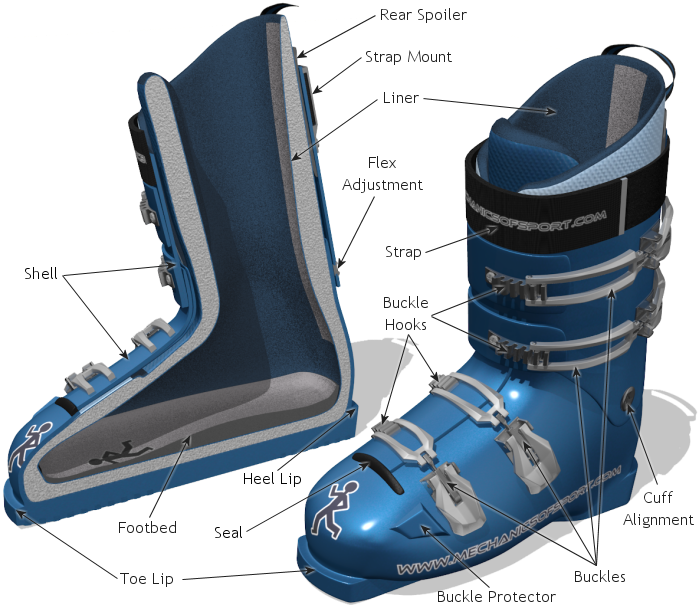
Even in high-quality boots, slight manufacturing differences can occur between left and right shells. These may include tiny discrepancies in molding, liner thickness, or tongue alignment. While often imperceptible at first, these variances become noticeable under pressure, especially in performance footwear where millimeters matter. Ski boot models like the Atomic Hawx Prime 110 are frequently cited in user reports where one shell feels stiffer or narrower, despite being the same labeled size.
One Boot May Be Stiffer From Storage
If one boot was worn more during fitting, display, or break-in, it may have started molding to your foot while the other remained stiff. A new or unused boot shell will not flex as easily, creating a sensation of spines or sharp pressure points, particularly around the ankle or instep. This is common with retail display models or when one boot is used more during initial wear. The result? One boot feels broken in and comfortable, the other feels tight and unyielding, even though they belong to the same pair.
Uneven Wear From Gait Imbalance
Your walking or standing posture can cause boots to wear unevenly. If you favor one leg due to posture, injury, or muscle imbalance, that foot may shift inside the boot more, leading to asymmetric liner compression. Over time, the more compressed liner loses support, increasing heel lift on one side and tightness on the other. This dynamic fit change means the boots may have started even, but no longer do.
Buckle and Closure Misalignment
Buckle Tension Is Often Uneven
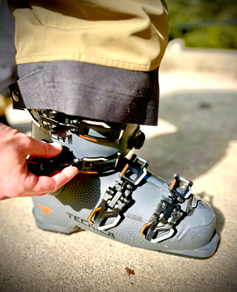
In multi-buckle boots, common in ski, snowboard, and hiking models, a frequent cause of uneven tightness is asymmetric buckle tightening. You might instinctively crank down the buckles on the looser-feeling side, not realizing you are creating an imbalance. The result? One boot is over-tightened, causing discomfort, while the other remains under-secured. Always check that each buckle is set to the same clip position on both boots. A visual match is not enough. Feel the pressure across both feet.
Tongue and Liner Shift Causes Pressure
If the boot tongue or internal liner shifts during tightening, it can create localized tightness. For example, a tongue that rides up on one side may press into the instep, mimicking a too-small fit. Similarly, a liner that bunches near the ankle can cause pinching. Before assuming the boot is too small, re-lace or re-fasten while ensuring all internal components are centered. A quick tap and wiggle of the foot inside the boot can help reposition the liner.
Lacing Patterns Affect Symmetry
In lace-up boots, using different lacing techniques on each foot, or lacing one tighter than the other, can create fit imbalance. A nosebutter or nollie maneuver in snowboarding, for instance, demands precise ankle control. If one boot has heel lift due to loose lacing, it reduces power transfer and increases fatigue. Use the same lacing method on both boots and consider lockable eyelets or heel-lock lacing to prevent slippage.
Fixing the Tighter Boot: Step-by-Step
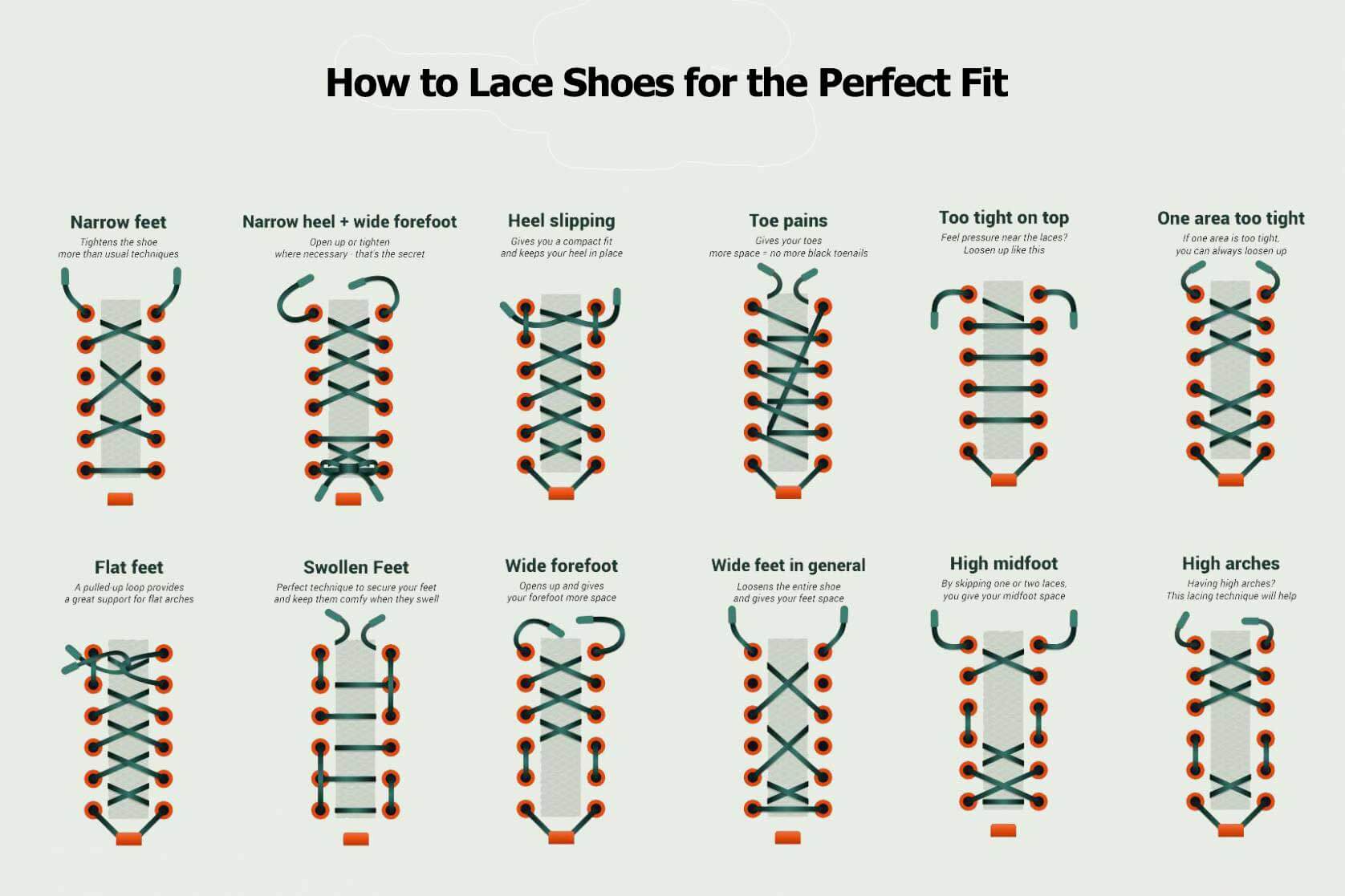
Step 1: Measure Both Feet
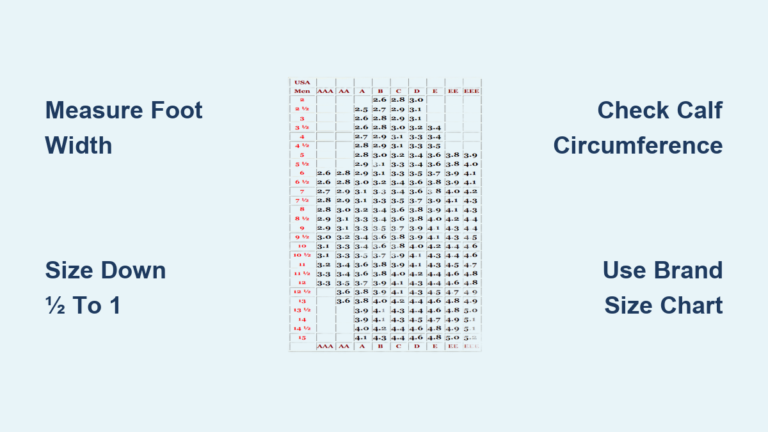
Start by measuring each foot separately. Use a ruler or Brannock device to record:
– Heel-to-toe length
– Ball-of-foot width
– Arch length
Do this at the end of the day when feet are slightly swollen. If one foot is longer or wider, that is your reference size. Never average the two.
Step 2: Inspect Both Boots
Check for:
– Visible wear differences inside the liner
– Asymmetric buckle wear or damage
– Cracks or warping in the shell
– Liner compression on one side
Also, compare how the boots feel when unlaced. Do they sit differently on your feet? This helps isolate shell versus closure issues.
Step 3: Equalize Closure Systems
With boots off:
– Open all buckles or laces
– Re-close them one by one, matching clip positions
– Ensure tongues and liners are centered
– Tighten gradually, standing evenly on both feet
Pay attention to the final feel. Any pinching or pressure should be symmetrical.
Step 4: Test for Heel Lift
Put boots on and walk around. Have someone watch your heels or record a short video. If one heel lifts more than 5 to 10 mm, that boot is too loose in volume. Heel lift in only one boot indicates a liner or insole issue, not necessarily size.
Customizing Fit for Each Foot

Fill Space in the Looser Boot
For the smaller foot, reduce internal volume using:
– High-volume insoles: Replace thin factory insoles with thicker, supportive ones.
– J-bar foam: Adhesive foam pads placed in the ankle collar to eliminate heel slippage.
– Butterfly wrap: A piece of dense foam glued to the outside of the liner, then heat-molded to compress the ankle area.
– Shims: Thin plastic or felt pieces placed under the liner to lift the foot and improve heel lock.
These are temporary fixes but effective for minor volume differences.
Create Space in the Tighter Boot
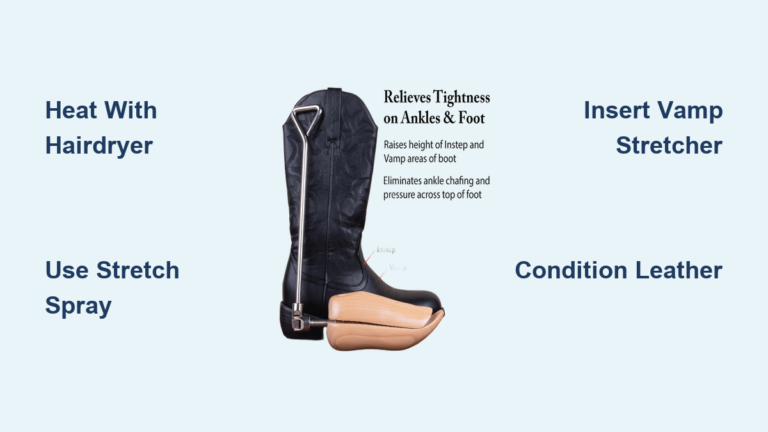
For the larger foot, expanding the boot is more effective than filling the other. Options include:
– Shell punching: A boot fitter uses a press to expand specific areas, such as over a bunion.
– Grinding: Removing material from the inside of the shell at pressure points.
– Heat-molding the liner: Softening the liner with heat so it conforms better to foot shape.
These require professional tools but provide long-lasting relief.
Consider Shell Sizing Strategy
If foot asymmetry is significant, consider buying a smaller shell size. While both boots will feel tight at first, a boot fitter can expand the shell only where needed, for the larger foot. This is more precise than trying to fill excess space in a too-large boot, which often leads to pressure points and poor control. Many ski boot experts recommend this “fit to tight, then expand” approach over “fit to loose, then stuff.”
Preventing Future Fit Issues
Rotate Between Multiple Pairs
If you use boots heavily, like for skiing or hiking, rotate between two pairs. This prevents one pair from developing deep compression patterns and extends the life of the liners. It also gives materials time to rebound between uses.
Maintain Consistent Tightening Habits
Develop a routine: always close buckles in the same order, with the same number of clicks. Mark buckle positions with a pen if needed. For lace-up boots, use the same knot and tension each time.
Reassess Fit Periodically
Feet change over time due to age, weight, or injury. Re-measure your feet annually. Also, inspect boot liners every season. Once they lose rebound, it is time to replace or refit.
When to Seek Professional Help
See a Boot Fitter for Custom Work
If DIY fixes do not work, consult a certified boot fitter. They can:
– Accurately assess shell and liner fit
– Perform heat-molding, punching, or grinding
– Recommend custom footbeds or orthotics
– Advise on proper boot selection
This is especially important for high-performance activities like skiing or mountaineering, where fit affects safety and performance.
Consult a Podiatrist for Pain or Gait Issues
Persistent pain, numbness, or uneven wear patterns may signal underlying gait problems like overpronation or supination. A podiatrist can:
– Analyze your walking mechanics
– Diagnose conditions like plantar fasciitis or bunions
– Prescribe custom orthotics
– Recommend medical-grade footwear
Treating the root cause often resolves the boot fit issue long-term.
Frequently Asked Questions About One Boot Feeling Tighter Than the Other
Is it normal for one foot to be bigger than the other?
Yes. Most people have one foot that is slightly longer, wider, or higher in volume than the other. Even a 3 to 5 mm difference can create noticeable tightness in snug-fitting boots. This natural asymmetry is the most common reason one boot feels tighter than the other.
Can manufacturing defects cause one boot to fit tighter?
Rarely, but it is possible. Minor production variances in shell molding, liner thickness, or tongue alignment can create subtle fit differences. These issues are more noticeable in performance footwear like ski boots, where millimeters of difference affect comfort and control.
Why does one boot feel broken in while the other doesn’t?
If one boot was used more during fitting, display, or early wear, its materials have started molding to your foot. The other boot remains stiff and unyielding, creating pressure points or a “spines” sensation. This is common with display models or when one boot is worn more during break-in.
Should I size boots to my bigger or smaller foot?
Always size to your bigger foot, then adjust the smaller foot using insoles, foam, or shims. Creating space in a tight boot (through professional punching or grinding) is more effective and durable than trying to fill excess volume in a loose boot.
How do I fix uneven buckle tension?
Remove both boots, open all buckles, and re-close them one by one while matching clip positions exactly. Ensure tongues and liners are centered before tightening. Stand evenly on both feet and check that pressure feels symmetrical across both boots.
When should I see a professional about boot fit?
If DIY adjustments do not resolve the issue, or if you experience persistent pain, numbness, or uneven wear, consult a certified boot fitter or podiatrist. Professionals can assess shell fit, perform custom modifications, diagnose gait issues, and recommend orthotics for long-term comfort.
Key Takeaways for Fixing One Boot That Feels Tighter
One boot feeling tighter than the other is almost always due to natural foot asymmetry, not a defective product. The key is diagnosing whether the issue stems from your anatomy, boot adjustment, or wear patterns. Start by measuring both feet, equalizing buckle tension, and inspecting for wear. Use insoles or foam for minor fixes, but for lasting comfort, especially in performance boots, invest in professional fitting or custom orthotics. Remember: making space is better than filling it. A well-fitted boot should feel secure on both feet, not just one.