Cowboy Boot Width Guide: Find Your Perfect Fit
Choosing the right cowboy boots isn’t just about style. It’s about foundation. As Sam Lucchese Jr. of Lucchese Boots puts it, “Our product is his foundation.” A poorly fitting boot can cause blisters, long-term foot damage, and premature wear. The key to avoiding these issues? Understanding cowboy boot width.
This guide cuts through the confusion with precise width measurements, gender-specific sizing rules, and actionable steps to measure your feet correctly. Whether you’re a man sizing down from athletic shoes or a woman navigating inconsistent brand labeling, you’ll learn exactly how to match your foot shape to the right boot width.
Men’s Boot Widths Explained

Men’s cowboy boot widths follow a standard letter system, where ‘D’ is the average width. Unlike dress shoes or sneakers, most cowboy boots don’t come in half-widths, so knowing your exact foot width is essential.
Standard Width Options for Men
| Width | Classification | Ball-of-Foot Measurement |
|---|---|---|
| B | Extra Narrow | 3.6 – 3.8 inches |
| C | Narrow | 3.8 – 4.0 inches |
| D | Regular (Standard) | 4.0 – 4.2 inches |
| E | Wide | 4.2 – 4.4 inches |
| EE | Extra Wide | 4.4 – 4.6 inches |
| EEE | Triple Wide | 4.6 – 4.8 inches |
Most men fall into the D width category. If your foot measures less than 4.0 inches, consider B or C widths. For broader feet over 4.4 inches, EE or EEE options are necessary.
How Men Should Size Cowboy Boots
Cowboy boots typically run larger than athletic shoes, especially pull-on styles without laces. Here’s the rule:
Size down ½ to 1 full size from your regular sneaker size.
For example:
– Sneaker size: 10 → Try boot size 9 or 9.5
– Narrow feet? Start at 9.5 and use insoles if needed
Boots are designed to fit snugly at the ball of the foot and instep. Lacing isn’t an option in pull-on styles, so initial tightness ensures stability during wear.
Fixing Narrow Feet in Standard Boots
If you can’t find a B-width boot:
– Use boot insoles to reduce internal volume
– Prevent heel slippage and side-to-side movement
– Adds cushioning while mimicking a narrower fit
Pro Tip: Don’t size down further than 1 full size. This risks toe crowding and improper flex.
Women’s Boot Widths Decoded
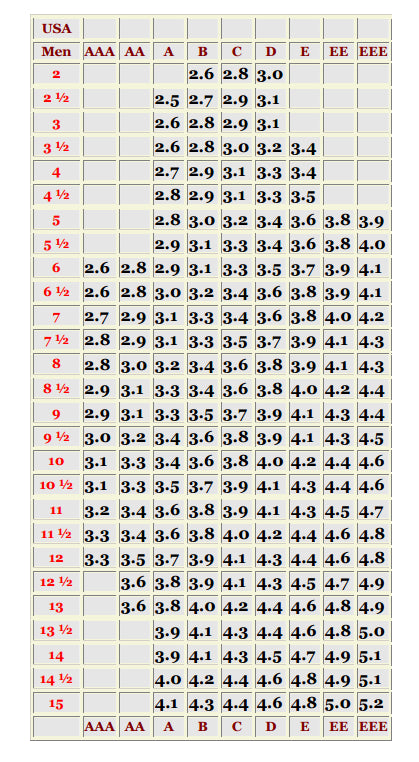
Women’s width standards are less consistent than men’s. While ‘B’ is often labeled as “average”, some brands treat ‘D’ as standard. This inconsistency means relying solely on the letter can mislead.
Standard Width Options for Women
| Width | Classification | Ball-of-Foot Measurement |
|---|---|---|
| B | Extra Narrow | 2.8 – 3.0 inches |
| C | Narrow | 3.0 – 3.2 inches |
| D | Medium/Regular | 3.2 – 3.4 inches |
| E | Wide | 3.4 – 3.6 inches |
| EE | Extra Wide | 3.6 – 3.8 inches |
| EEE | Triple Wide | 3.8 – 4.0 inches |
Despite the chart, many women’s boots only offer B and D widths. Some brands label B as “regular,” even though it’s technically extra narrow by measurement.
How Women Should Size Cowboy Boots
Fit depends on foot type:
– Average to wide feet: Wear your true shoe size
– Narrow feet: Size down by ½ size for a snug fit
Because width labeling varies:
– Always check the brand’s specific size chart
– Read customer reviews for fit feedback (e.g., “runs wide” or “narrow in instep”)
Example: A woman who wears size 8 in flats may need a size 7.5 in cowboy boots if she has narrow feet.
Compare Men’s vs Women’s Widths

Though both use the same letter system, men’s and women’s widths differ significantly, even at the same letter grade.
| Width | Men’s (inches) | Women’s (inches) | Difference |
|---|---|---|---|
| B | 3.6 – 3.8 | 2.8 – 3.0 | +0.8″ |
| D | 4.0 – 4.2 | 3.2 – 3.4 | +0.8″ |
| EE | 4.4 – 4.6 | 3.6 – 3.8 | +0.8″ |
This ~0.8-inch gap means a men’s B width is wider than a woman’s D. Never assume unisex sizing applies across genders.
Key Insight: A woman with a 3.3-inch foot (D width) would fit into a men’s B-width boot, but likely need to size down significantly in length.
How to Measure Your Foot Correctly
Guessing your width leads to poor fit. Follow this step-by-step protocol for accurate results.
What You’ll Need
- Blank paper (bigger than your foot)
- Pen or pencil
- Rigid ruler or flexible tape measure
- Socks you plan to wear with boots
Step-by-Step Tracing Method
Trace Your Foot Outline
- Stand on paper placed on a hard floor
- Wear intended socks. Thick for winter boots, thin for dress styles
- Hold pen vertically and trace around your foot while standing
- Distribute weight evenly. Don’t curl toes or shift balance
Measure Length and Width
- Length: Heel to longest toe (usually big toe or second toe)
- Width: Widest part of ball of foot (just behind toes)
- Use inner edge of pencil line to avoid overestimating due to line thickness
Check Both Feet
- Feet are rarely identical
- Use the larger measurement for sizing
Best Time to Measure: Morning, when feet are smallest. Avoid measuring after long walks or at night when feet swell.
Calf Width: The Hidden Fit Factor
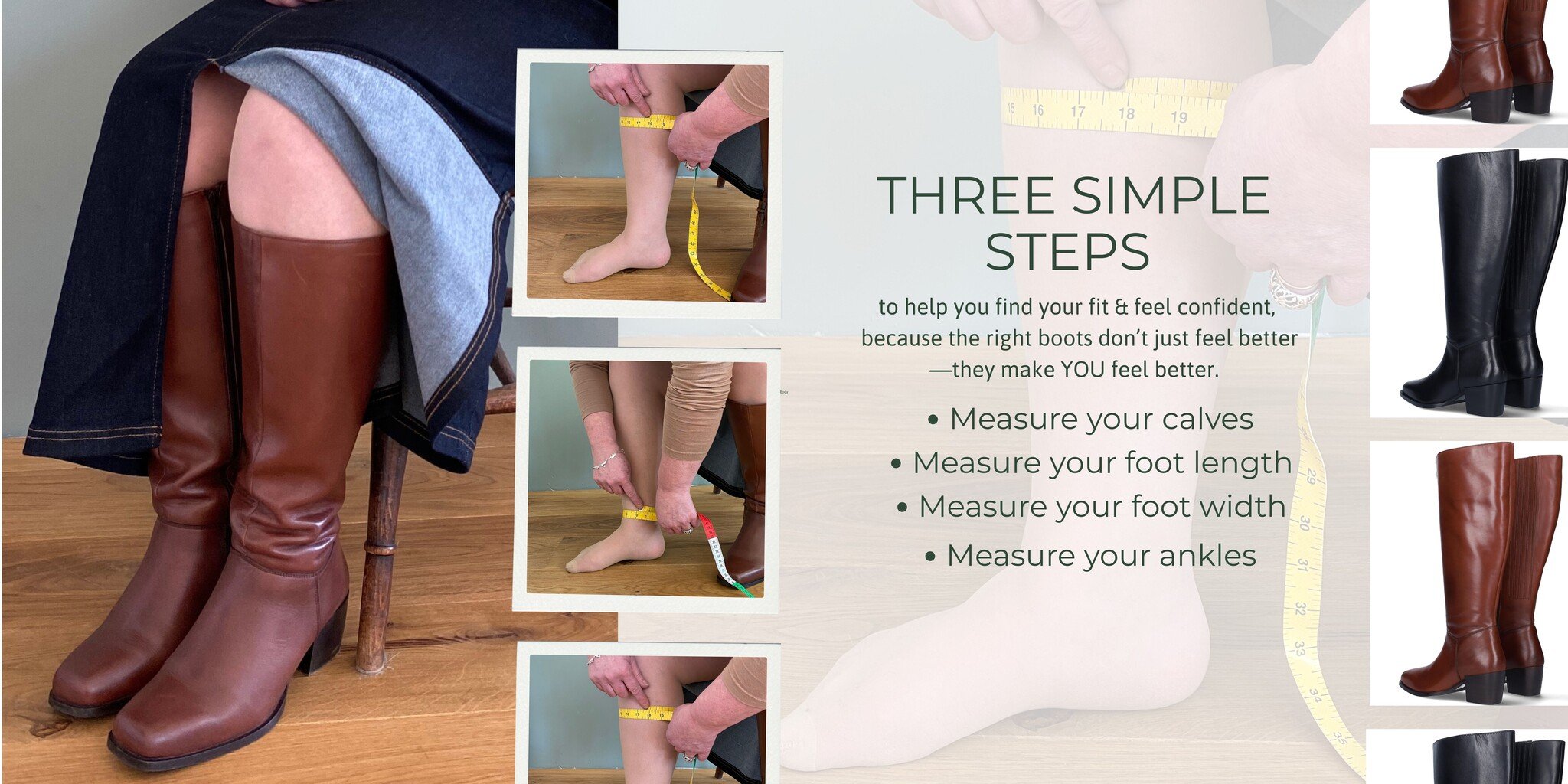
For pull-on cowboy boots, calf circumference is just as important as foot width.
How to Measure Your Calf
- Stand barefoot on flat ground
- Identify the widest part of your calf
- Wrap a flexible tape measure around it
- Keep tape snug but not tight. Don’t compress skin
Typical Boot Shaft Openings:
– Standard: 14–16 inches
– Wide calf: 16–18 inches
– Extra wide: 18+ inches
If your calf measures 17 inches, choose a wide-calf boot. Forcing your leg into a narrow shaft damages the boot and causes discomfort.
Pro Tip: Sit down and measure with knees bent. This simulates the flexed position when pulling boots on.
Fit by Boot Type: Pull-On vs Lace-Up

Not all cowboy boots fit the same. The closure style changes how you should size.
Pull-On Boots (No Laces or Zippers)
- Fit must be precise with no adjustability
- Snug across ball of foot and instep
- Slight heel slip (¼ to ½ inch) is normal when new
- Heel lock improves after 5–10 wears as leather molds
Sizing Rule:
– Men: Size down ½ to 1 size
– Women with narrow feet: Size down ½ size
Lace-Up or Zip-Up Boots
- Offer adjustability via laces or zippers
- Can accommodate slight width variances
- Follow brand’s size chart without down-sizing
- Ensure sock thickness matches intended use
Example: If you wear thick socks, measure feet with those socks and select size accordingly.
Troubleshooting Common Fit Problems
Even with careful measurement, issues arise. Here’s how to fix them.
Too Much Side-to-Side Movement?
Symptom: Foot slides laterally, especially in turns
Cause: Boot is too wide or wrong width
Fix:
– Insert full-length insoles to reduce internal volume
– Try a narrower width (e.g., D → B) instead of relying on insoles long-term
Warning: Excess movement causes blisters and ankle fatigue.
Pinching at the Ball of the Foot?
Symptom: Pain or pressure across forefoot
Cause: Boot is too narrow or wrong width
Fix:
– Move up one width (e.g., D → E)
– Do not size up in length. This worsens heel slip and arch misalignment
Myth: “They’ll stretch.” While leather stretches slightly, it won’t fix chronic pinching.
Heel Slipping Excessively?
Symptom: Heel lifts more than ½ inch with each step
Cause: Too large in length or volume
Fix:
– Size down ½ size
– Add a heel grip or lift pad
– Ensure instep is snug. If loose, the whole boot is too big
Note: Slight slip in new boots is normal and fades with wear.
Brand Variability: Why Charts Matter
Not all ‘B’ widths are created equal. A B-width boot from Brand A may feel like a C in Brand B.
Why Widths Vary
- Last shapes differ between manufacturers
- Some brands stretch leather more during construction
- Women’s ‘B’ width is inconsistently defined
Data Insight: Customer reviews often reveal fit quirks, such as “These run narrow in the toe box” or “Wide in the calf.”
How to Verify Fit Before Buying
- Check the brand’s official size chart. Don’t rely on generic guides
- Compare your measurements to their inch-based specs
- Read reviews using filters like “narrow fit” or “wide calf”
- Buy from retailers with free returns to test at home
Example: Ariat may label a 3.3-inch width as ‘B’, while Lucchese calls the same measurement ‘D’. Always cross-reference.
Prevent Long-Term Foot Damage
An ill-fitting boot isn’t just uncomfortable. It’s harmful.
Risks of Wearing Wrong Width
- Short-term: Blisters, corns, hot spots
- Long-term: Bunions, hammertoes, plantar fasciitis
- Gait changes: Altered stride due to pain or instability
- Boot damage: Uneven sole wear, cracked leather from twisting
Expert Note: Lucchese reminds us that boots are your foundation. Just like a house with a weak base, poor boot fit compromises everything.
Final Fit Checklist
Before buying, confirm these points:
- Measured both feet in the morning
- Used inner edge of traced line for accuracy
- Wore intended sock thickness during measurement
- Checked calf circumference for pull-on styles
- Compared numbers to brand-specific size chart
- Read customer reviews for fit feedback
- Purchased from a source with free returns
Frequently Asked Questions About Cowboy Boot Width
What is the standard cowboy boot width for men?
Most men’s cowboy boots use D width as the standard, which measures 4.0 to 4.2 inches across the ball of the foot. This fits the majority of men, while B (narrow) and EE (extra wide) options exist for those outside this range.
How do women’s cowboy boot widths differ from men’s?
Women’s widths start at a smaller baseline. A women’s D width measures 3.2 to 3.4 inches, while a men’s D measures 4.0 to 4.2 inches. The gap is approximately 0.8 inches at every letter grade, so never assume unisex sizing applies.
Should I size down when buying cowboy boots?
For men’s pull-on cowboy boots, yes. Most men should size down ½ to 1 full size from their athletic shoe size. Women with narrow feet should size down ½ size, while women with average to wide feet typically wear their true size.
How do I measure my foot width at home?
Place paper on a hard floor, wear your intended socks, and trace your foot while standing. Measure from the inner edge of the traced line at the widest part of the ball of your foot. Always measure both feet and use the larger measurement.
What is considered a wide calf in cowboy boots?
Standard boot shaft openings measure 14 to 16 inches. A calf circumference of 16 to 18 inches requires a wide-calf boot, while measurements over 18 inches need an extra-wide option. Forcing your leg into a narrow shaft causes discomfort and damages the boot.
Will cowboy boots stretch if they feel tight?
Leather stretches slightly with wear, but this won’t fix chronic pinching at the ball of the foot. If a boot pinches, move up one width (e.g., D to E) rather than hoping it will stretch enough to solve the problem.
Key Takeaways for Finding Your Cowboy Boot Width
- Men’s standard width is D, women’s is often B or D, so verify per brand
- Size down ½ to 1 size for men’s pull-on boots
- Women with narrow feet should size down ½ size
- Measure feet properly: trace, measure inner line, use larger foot
- Calf width matters for pull-on boots, so don’t ignore it
- Slight heel slip is normal in new boots
- Insoles fix narrowness, but width upgrades fix pinching
- Brand variance is real, so always check the specific size chart
With this cowboy boot width guide, you’re equipped to make a confident, informed purchase. Start by measuring your feet this morning, compare your numbers to the brand’s specific chart, and choose a retailer with free returns so you can test the fit at home.