How to Wear Hiking Boots with Shorts for Men
Wearing hiking boots with shorts might have raised eyebrows a decade ago, but today it’s a go-to look for men who value comfort, practicality, and modern outdoor style. Whether you’re hiking in the humid heat of the Smoky Mountains or exploring urban trails in the city, pairing hiking boots with shorts isn’t just acceptable—it’s smart. This combination keeps your legs cool while still protecting your feet, ankles, and lower legs from rocks, roots, and rough terrain.
Gone are the days of rigid fashion rules dictating that boots only go with long pants. Today’s outdoor culture prioritizes function, adaptability, and personal expression. With the right fit, fabric, and confidence, hiking boots and shorts can create a balanced, stylish, and highly functional outfit for any warm-weather adventure.
This guide cuts through outdated myths and delivers clear, actionable advice on how to wear hiking boots with shorts the right way. You’ll learn how to balance proportions, choose the best sock length, pick boots that match your terrain, and style the combo with confidence—no guesswork needed.
Choose the Right Shorts Length
7–9 Inch Inseam Ideal
The ideal short length for pairing with hiking boots is a 7–9 inch inseam. This measurement ensures the hem hits about two inches above the knee, creating a clean visual line that balances well with the bulk of hiking boots. Too short (under 6 inches), and the gap between shorts and boots becomes awkward and exposes too much skin. Too long (over 10 inches), and the fabric may bunch over the boot collar, breaking the silhouette and looking sloppy.
Avoid gym shorts or basketball-style lengths—these are typically 11+ inches with a loose, baggy fit that clashes with the rugged, structured aesthetic of hiking footwear. They also tend to ride up, creating an unflattering and impractical look.
Opt for Relaxed or Tapered Fit
When it comes to fit, aim for relaxed or slightly tapered shorts. These cuts maintain structure without appearing sloppy. A well-fitted short should drape naturally, allowing freedom of movement without excess fabric flapping in the wind.
Avoid skin-tight or overly wide-leg styles, as both throw off proportion. Tight shorts look out of place with rugged boots, while overly baggy ones can overwhelm the lower half of your body, making your legs appear shorter.
Choose structured fabrics like cotton canvas, denim, or performance blends. These materials hold their shape, drape better, and look more intentional. Pair with a belt to define your waist and anchor the outfit—this small detail elevates the entire look.
Pick the Best Boot Height
Low-Cut for Light Trails
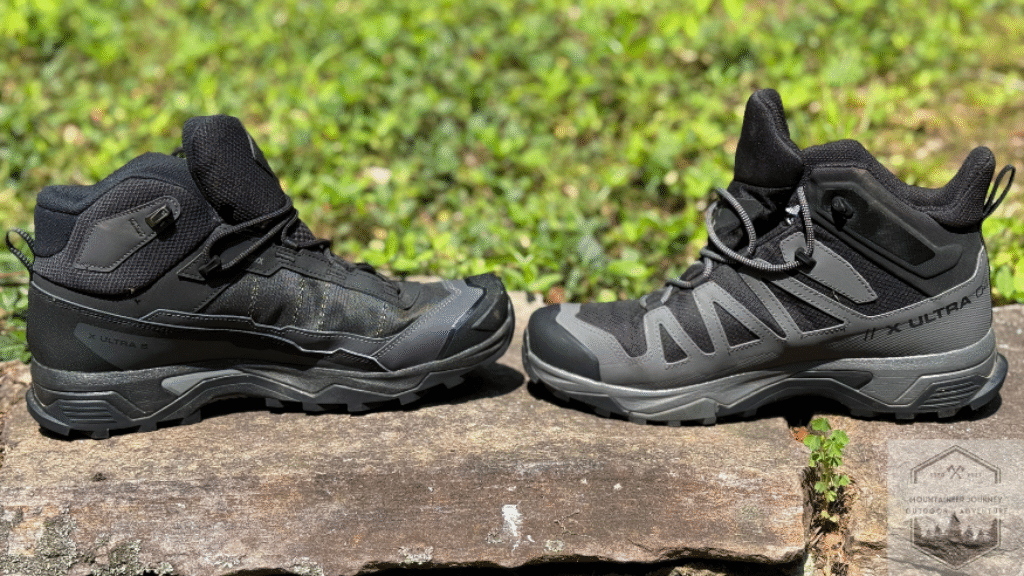
Low-cut hiking boots are the top choice for warm weather and easy terrain. They’re breathable, lightweight, and pair naturally with shorts. Models like the Salomon X Ultra 4 or Nike Air Zoom Terra offer excellent grip and support without adding unnecessary bulk.
These boots shine on flat, dry trails where ankle protection isn’t critical. If you’re doing short hikes, urban walks, or fitness treks under 3 miles, low-cut boots are more than sufficient—and far more comfortable in heat.
Mid-Cut for Rugged Terrain
When the trail turns rocky, uneven, or off-trail, upgrade to mid-cut boots. These provide torsional stability and protect your ankles from rolls—especially important if you’re carrying a backpack or navigating loose scree.
Top picks include the Danner Mountain Light and La Sportiva TX4, both known for durability, support, and sleek styling that works with shorts. Even with shorts, ankle support matters. Don’t sacrifice safety for style—your descent will be far more comfortable with proper protection.
High-Cut: Use with Caution
High-cut boots can look bulky with shorts unless styled intentionally. They’re best reserved for backpacking trips or harsh conditions where maximum ankle support and weather resistance are needed.
If you must wear high-cut boots with shorts, pair them with over-the-calf socks or gaiters to create a cohesive line from leg to boot. This prevents the “floating shorts” look and adds a functional layer against debris and insects.
Wear the Right Socks
Crew Socks Bridge the Gap
Crew-length socks are the gold standard when wearing hiking boots with shorts. They cover the calf just enough to visually connect your shorts and boots, eliminating the awkward exposure of bare skin.
Ankle or no-show socks may seem tempting in heat, but they leave too much leg exposed and often look unfinished or mismatched. Stick with crew socks—they’re designed for this exact purpose.
Choose merino wool or synthetic blends for their moisture-wicking, odor-resistant, and temperature-regulating properties. These materials keep your feet dry and comfortable, even on long hikes.
Match Sock Color to Boots
Keep your look clean and cohesive by matching your socks to your boots or shorts. Neutral tones like black, brown, gray, or olive blend seamlessly and look intentional. Avoid bright colors unless they’re part of a deliberate style statement.
In tick-prone areas, consider wearing compression pants under shorts and pulling your crew socks over them. This creates full lower-leg coverage while maintaining breathability and comfort—perfect for brush-heavy trails.
Match Boots to Terrain
Easy Trails: Trail Runners Work
On flat, dry trails under 3 miles, trail runners are a top alternative. They’re breathable, fast-drying, and lightweight. Brands like Altra Lone Peak, Hoka Speedgoat, and Salomon Speedcross deliver excellent grip without the weight of full boots.
They’re ideal for fitness hikers who want speed, agility, and ventilation. Plus, their sleek design pairs effortlessly with shorts.
Rocky or Technical Trails: Full Support Needed
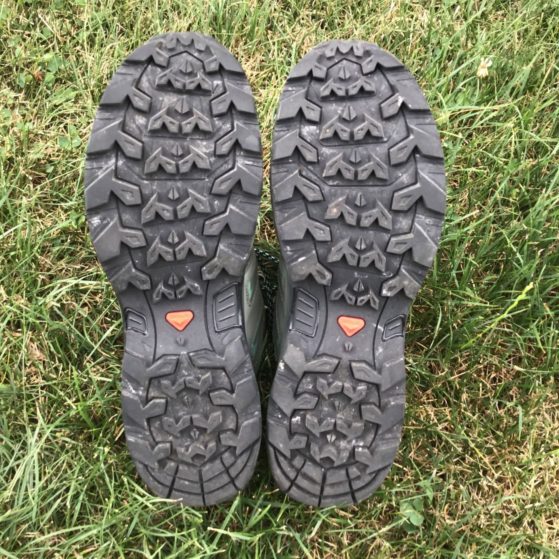
When terrain turns rugged, upgrade to full hiking boots with aggressive outsoles (like Vibram) and stiff midsoles. These protect against sharp rocks, roots, and slips—especially on descents.
Don’t sacrifice safety for style. Your feet and ankles will thank you when you’re navigating uneven ground or carrying a heavy pack.
Wet or Brushy Areas: Add Protection
In wet conditions, go for Gore-Tex-lined boots and quick-dry shorts. This combo keeps your feet dry and prevents chafing. For brush-heavy trails or tick zones, wear gaiters or layer compression pants under shorts.
This approach maintains breathability while offering full lower-leg protection—essential in areas with poison ivy, thorns, or biting insects.
Select Boot Material & Color
Leather for Style and Durability
Full-grain or nubuck leather boots like Timberland PRO or Danner Rat Boots age beautifully and look sharp. They pair effortlessly with denim shorts or chinos and develop a rich patina over time.
Leather resists abrasion and weather better than synthetics, making it ideal for frequent hikers.
Synthetic for Breathability
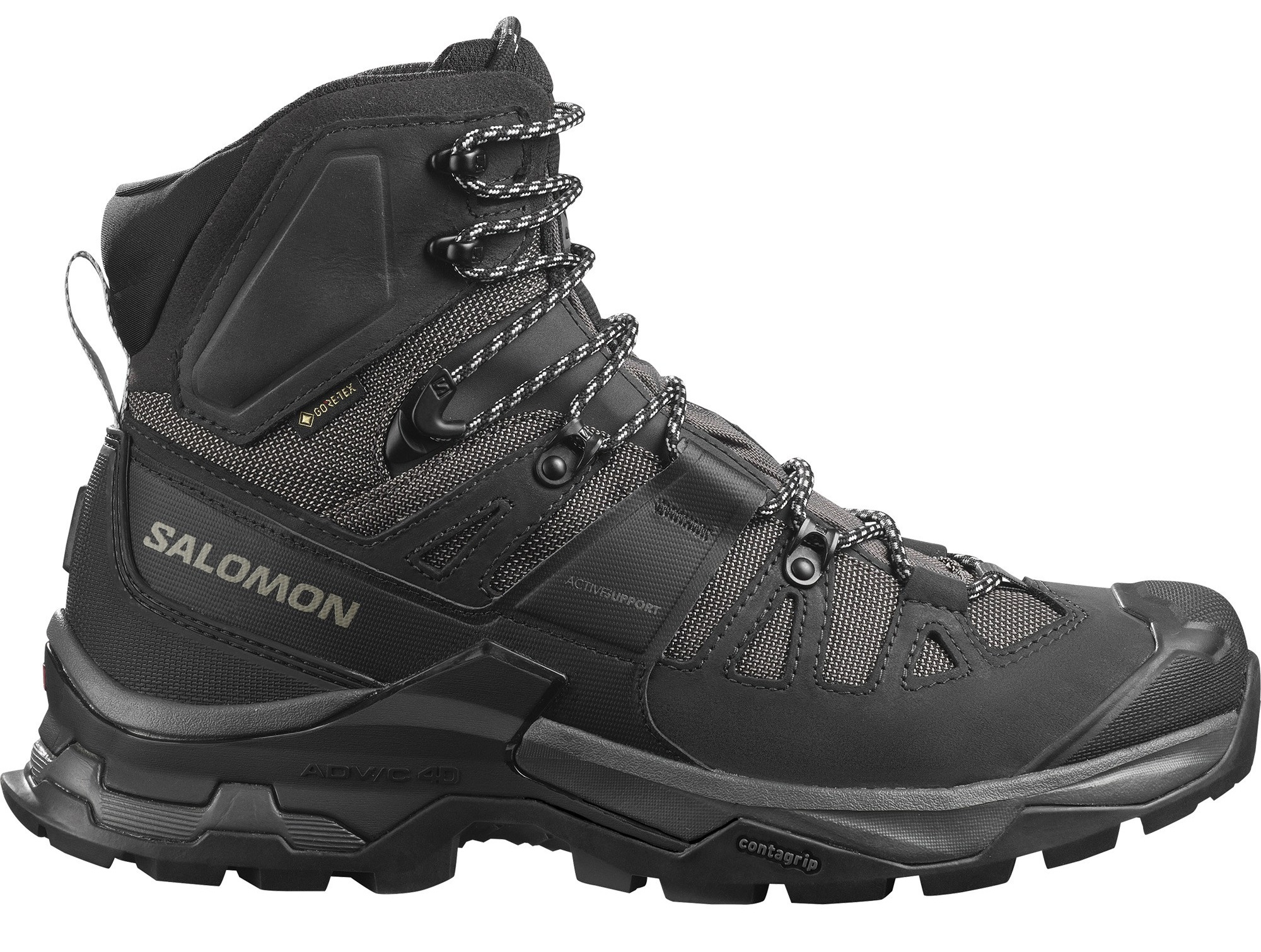
In hot climates, choose boots with mesh panels or synthetic uppers. They’re lighter and more ventilated than leather. Models like the Salomon Quest 4 or Merrell Moab 3 Vent are perfect for summer hikes.
Just be mindful—synthetics may not last as long in rugged conditions.
Stick to Neutral Colors
Brown, black, tan, and olive are versatile and match nearly any short. Flashy colors or loud patterns can look out of place unless you’re making a bold fashion statement.
Neutral boots also hide trail dust and scuffs better, keeping them looking clean longer.
Balance Style & Proportion

Match Volume and Fit
Pair baggy shorts with chunky boots, and slim shorts with sleeker models. Avoid mismatched proportions—like baggy shorts with narrow boots—that look unbalanced.
A relaxed chino short with rugged Danners creates a grounded, intentional look. This balance is key to pulling off the outfit with confidence.
Elevate with Leather Shorts
For a bold, modern edge, try black leather shorts with clean-lined hiking boots. Add a vintage tee or flannel shirt to soften the look.
This combo works great for urban hikes or weekend adventures where style meets function.
Avoid Sporty Shorts
Football, basketball, or gym shorts clash with hiking boots. Their loose fit and athletic fabric don’t complement the structured aesthetic of boots.
Stick to casual, structured shorts instead—jorts, chinos, or performance blends work best.
Try Alternative Footwear
Trail Runners for Speed
If you prioritize agility and breathability, trail runners are a top alternative. They’re lighter than boots and ideal for runners or fast hikers.
Brands like Hoka, Altra, and Salomon lead the pack.
Approach Shoes for Grip
Five Ten Guide Tennie or La Sportiva TX4 offer sticky rubber soles perfect for scrambling or rocky approaches. They look sleek with shorts and handle mixed terrain.
Great for climbers or those transitioning from hiking to climbing.
Hiking Sandals for Water Crossings
In dry, flat areas, Chaco Z/Cloud, Teva Terra-Float, or Keen Newport are breathable and quick-drying. But they offer minimal ankle support—best for casual use.
Not ideal for rocky or technical trails.
Stylish Casual Hikers
For city trails or weekend wear, try Vans MTE All-Weather or Danner Bull Run. They blend outdoor durability with urban style.
Water-resistant, grippy, and fashion-forward.
Real-World Outfit Examples
Southern Hiker in Heat
Shorts: 8” cotton canvas
Boots: Salomon X Ultra (low-cut, mesh)
Socks: Merino wool crew (khaki)
Why it works: Stays cool in humidity while protecting feet on rocky paths.
Backpacker in the Mountains
Shorts: Performance blend, 9” inseam
Boots: Danner Mountain Light (mid-cut)
Socks: Over-the-calf with compression layer underneath
Bonus: Gaiters for brush protection
Why it works: Combines mobility, support, and bug defense.
Fashion-Forward Urban Explorer
Shorts: Black leather, 7”
Boots: Polished Danner Rat Boots
Socks: Black crew
Top: Distressed flannel, unbuttoned
Why it works: Blends utility and edgy style—perfect for city parks or coffee hikes.
Expert Tips for Confidence
Prioritize Function First
Choose boots based on the trail, not just looks. Safety trumps style every time.
If the path is rough, go for ankle support—even in summer.
Test Your Combo at Home
Try different sock-boot-short pairings before hitting the trail. Walk around, squat, climb stairs. Make sure everything feels secure and looks balanced.
Confidence Makes the Look
Wear it like you mean it. The hiking boot and shorts combo is widely accepted—especially in warm climates.
As one hiker put it: “You wear what works.”
Break Fashion Rules Intentionally
Fashion isn’t about rigid rules—it’s about balance and self-expression. If you love the look and it serves your needs, own it.
Just keep proportions in check.
Wearing hiking boots with shorts isn’t just practical—it’s a smart, modern choice for men who hike, explore, or live active lifestyles. By focusing on fit, function, and proportion, you can pull off this combo with confidence in any season. Choose breathable materials, match sock length to boot height, and don’t let outdated style myths hold you back. Whether you’re chasing waterfalls or walking city trails, this guide gives you everything you need to look good and stay protected—one step at a time.