
Types of Boot Soles Explained
Choosing the wrong boot sole can ruin your footwear in months. Whether you’re slipping on wet city streets, sinking into muddy trails, or wearing through cheap work boots, the sole under your foot determines everything. This guide breaks down every major type of boot sole, the materials behind them, and the environments where each one excels.
You’ll learn the difference between leather and rubber, why some soles cost €600 while others cost $25, and how to match the right sole to your daily terrain. By the end, you’ll shop for boots with confidence and avoid costly mistakes.
Leather Soles: Classic Style for Dry Conditions

Leather soles define formal footwear. They offer breathability, elegance, and the ability to mold to your foot over time. You’ll find them on Goodyear welted dress shoes and high-end heritage boots.
Understanding Leather Grades
Not all leather soles perform the same:
– Prime: Vegetable-tanned with standard grain density, common in boots priced €150–€300.
– Super Prime: Denser leather with finer finish, used in €300–€600 footwear.
– Oak Bark Tanned: Pit-tanned for up to six months using oak or chestnut bark. This premium process delivers unmatched durability and water resistance, seen in brands like JM Weston.
Why Leather Struggles in Wet Weather
Leather is porous. Without treatment, it absorbs moisture quickly, leading to warping, cracking, or sole detachment. Apply a Butyl-based waterproofing product like Saphir Sole Guard to repel water while preserving breathability. Still, avoid deep puddles and snow. These soles perform best in dry, indoor environments.
⚠️ Pro Tip: Apply a sole edge dressing after each polish to seal cut edges and block moisture.
Resoling Advantages
One key benefit: leather soles are easily resoled. Most feature a layered heel with a leather top lift, fiberboard or scrap leather middle layers, and a rubber back tip for wear resistance. Some models include flex-treated soles to speed break-in, though this sacrifices long-term rigidity.
Rubber Topys and Combination Soles: Hybrid Solutions
For those who want leather style with rubber practicality, these smart compromises deliver both.
How Topys Protect Leather Soles
A Topy is a thin rubber layer cemented onto a leather sole. The process sands down the leather slightly before bonding the rubber, which is then trimmed to match the sole’s edge. Benefits include:
– Preserved side profile that looks like full leather
– Added grip and water resistance
– Extended sole life without changing aesthetics
Topys allow bespoke shoemakers to offer hand-stitched waists with high stitches-per-inch counts while boosting everyday utility.
Combination Soles: Strategic Rubber Patches
These feature full leather across the waist with rubber inserts at the heel and toe. You get improved traction and reduced wear at impact zones while retaining breathability. The visible rubber patches can disrupt clean formal lines, and expect a squeaky step instead of the classic leather click.
HAF Soles: Double-Layer Durability
HAF (Half And Full) construction features a double layer of leather in the forepart and single layer at the heel and waist. This increases toe durability while keeping the heel sleek. Manufacturers add an extra heel lift to balance the height. Common in Edward Green boots, HAF soles blend elegance with resilience.
✅ Best For: Dress boots worn in mixed urban conditions.
Studded Rubber Soles: Refined Grip for Country Wear

Designed for heritage and country footwear, studded soles deliver low-profile traction with classic styling.
Dainite Studded Soles Explained
The original Dainite sole features recessed rubber studs that offer high durability and minimal mud retention. The sleek side profile works well on dress boots. However, the hard compound stiffens below 0°C and becomes slippery on ice. Alternatives like Vibram Eton, Itshide Studded, and Dr. Sole Cushion Gentleman use softer rubbers for better cold-weather flexibility.
Medway and Ridgeway: Heavier Traction Options
- Medway: Deeper tread than Dainite, better for moderate off-road use, but prone to snow packing.
- Ridgeway: Aggressive ridges and lugs for icy woods and trails. The tread stops short of the edge, allowing outsole stitching. Found on Edward Green country boots.
⚠️ Snow Warning: All recessed soles can trap snow, which turns into ice blocks that reduce grip.
Commando and Lug Soles: Maximum Traction for Tough Terrain
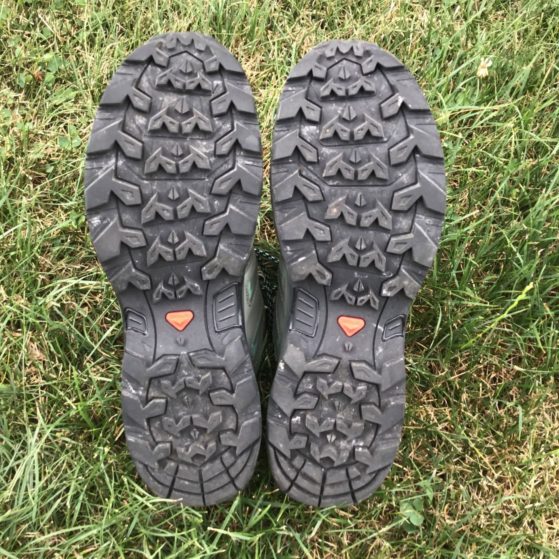
Built for mud, snow, and rugged environments, these deep-lug soles dominate outdoor and work boots.
Commando Soles: The Original Tank Tread
Invented by Vibram as Carrarmato in the 1930s, then replicated by Itshide as “Commando,” these soles feature deep, chunky lugs that grip wet rock, ice, and soil. They’re completely waterproof and highly durable. The trade-offs include heavy weight, stiffness, and unsuitability for formal settings. Snow often packs into the heel, creating a skating effect, so shake your boots frequently in winter.
Mini Lug: A Sleeker Alternative
Used by Oak Street Bootmakers, mini lug soles feature smaller paired lugs. You get the same durability with a slightly less aggressive look, ideal for casual boots needing trail performance.
Tactical Lug Patterns for Specialized Use
Different patterns serve different environments:
– Chevron/Arrowhead: Directional grip for forward motion; sheds mud well.
– Waffle: Grid pattern for balanced traction across surfaces.
– Panama: Wide-spaced lugs for jungle and mud; self-cleaning.
– Ripple: Wavy design for agility on mixed surfaces.
Lug depth matters significantly:
– 4–8mm: Soft terrain like mud and snow
– 2–4mm: Urban and hard surfaces
Wedge Soles: All-Day Comfort for Standing Workers

Wedge soles merge heel and forepart into a single flat unit with no separate heel lift.
Why Workers Prefer Wedges
Made from blown rubber compounds like Vibram Cristy #4014, wedge soles are ultra-lightweight and shock-absorbing. The flat contact provides anti-slip performance on smooth surfaces. Ideal for mechanics, welders, and warehouse staff who stand all day, you’ll find them on Red Wing and Thorogood moc-toe work boots.
Limitations on Rough Terrain
The flat profile creates problems:
– Poor grip on ladders
– No penetration in mud or snow
– Soft rubber wears faster on asphalt
– No height boost or ankle support
Crepe Soles: Soft Comfort with High Maintenance
Made from coagulated natural latex, crepe soles are soft, bouncy, and quiet.
Origins in Military Footwear
Popularized by Clarks after the British Army used them in WWII Burma campaigns, crepe was valued for comfort in hot climates. Today it’s a staple in casual boots and desert shoes.
The Downsides of Crepe
- Heavy and prone to staining
- Absorbs oil, water, and dirt like a sponge
- Degrades over time and can harden or crack
- Slippery when wet
❌ Avoid in rain or city streets: Crepe works best in dry, clean environments.
Cork Nitrile and Composite Soles
Blending cork and rubber, these soles prioritize lightweight comfort and moisture resistance.
How Cork Improves Performance
Cork contains suberin, a waxy compound that resists rot and water. Mixed with nitrile rubber, it creates a durable, buoyant sole. Common on Alden Indy boots, traditional versions have no tread, making them slick on ice. Modern variants add patterns for better grip.
Nitrile Cork: American Heritage Construction
Used widely in U.S. boots, nitrile cork comes in smooth (classic look) and patterned (better traction) versions. It’s lighter than full rubber but less formal than leather.
Raw Cord Soles: Born from Wartime Innovation
A WWII innovation, raw cord soles were made by melting car tires with nylon reinforcement cords intact.
Modern Reproductions
Today, Dr. Sole produces authentic-looking raw cord soles using polyamide rubber cord. Features include extreme durability, weatherproofing, and a unique textured appearance. Still rare, they appear mostly on reproduction military boots like M1944 Boondockers.
Airwair and Blown Rubber Soles
Both lightweight and bouncy, but they differ in construction and use.
Airwair: The Dr. Martens Standard
Developed by Klaus Märten during WWII, Airwair soles are lightweight, springy, and feature a shiny finish. Originally welded to a rubber welt, this construction is now made by Solovair and others. It remains distinct from general blown rubber.
Blown Rubber Wedges
Infused with air for low density, compounds like Vibram Cristy and Morflex are used in wedge boots. They prioritize shock absorption over the specific bounce of Airwair.
City and Dress Rubber Soles
Designed to mimic leather while adding rubber benefits, these work well for urban professionals.
City Rubber Soles: Invisible Upgrade
Thin rubber soles like Wensum, R1, or Tomir look like leather from the side while providing waterproofing and grip. Some compounds offer snow and ice traction. The trade-off: factory finishing tools struggle with them, and hand-stitching requires wider spacing.
York Soles: Leather-Like Appearance
York soles feature rubber toe and heel with a leather insert at the waist and back. Used by Spanish makers, they’re thick but sleek. However, the rubber is often too hard for ice, reducing grip.
Camp Soles: Casual Flexibility
Found on moccasins from Rancourt and Yuketen, camp soles have a flat profile with small asterisk or ripple treads. Weight-reducing plug cutouts increase flexibility. Great for light walking, poor for support or heavy use.
Synthetic Soles: Industrial Performance at Lower Cost

Modern polymers offer cost-effective, chemical-resistant options for work environments.
Polyurethane (PU): Lightweight and Tough
Used in safety boots and running shoes, PU offers flexibility, durability, and waterproofing. It resists oils and chemicals while weighing less than rubber. Drawbacks include poor breathability and susceptibility to hydrolysis (degradation in humidity over time).
PVC: Cheap but Slippery
Common in budget industrial boots, PVC is waterproof and chemical-resistant. Unfortunately, it’s extremely slippery on wet surfaces, non-breathable, and feels plasticky. Avoid unless specific chemical exposure requires it.
ABS: Flexible but Temperature-Sensitive
Used in work and athletic footwear, ABS absorbs shock and resists solvents. It’s comfortable and affordable but degrades in extreme heat or cold and is hard to resole.
Flex Walk Soles: Designed for Driving
White, ultra-flexible rubber soles like those on Berwick driving shoes prioritize easy pedal movement. Lightweight and breathable, they’re not for rugged use.
Specialized Work Boot Sole Configurations
Geometry matters as much as material in trades requiring specific safety standards.
90-Degree Heel for Ladder Safety
Common in electrician and construction boots, the vertical heel edge prevents sinking in mud. This design is OSHA-compliant for ladder climbing and pairs with aggressive treads.
Logger Heel for Steep Terrain
Tall, hooked heels (1.5 inches or more) lock your foot in place on slopes and maximize grip in logging terrain. They provide ankle stability and impact protection.
Hiker-Style Rubber for Mixed Environments
Combining Vibram traction with static-dissipative properties, these soles offer slip resistance and lightweight cushioning. Perfect for warehouse workers or mixed indoor/outdoor jobs.
Sole Maintenance Guide
Extend sole life with proper care:
| Sole Type | Care Tips |
|---|---|
| Leather | Dry thoroughly; apply sole guard; condition edges |
| Rubber | Wash with soap and water; remove packed debris |
| Crepe | Clean immediately after use; avoid moisture |
| Lug | Clear mud and stones from treads regularly |
| Wedge | Avoid abrasive surfaces to prevent premature wear |
| Synthetic (PU/ABS) | Store in dry, cool place; inspect for cracks |
🔁 Resoling Tip: Leather and some rubber soles can be resoled multiple times. Most synthetics, especially glued PU and ABS, cannot.
Choosing the Right Sole: Quick Reference

| Need | Best Sole Type |
|---|---|
| Formal wear | Leather, City Rubber |
| City commuting | Dainite, York, City Rubber |
| Wet/cold weather | Commando, Vibram Arctic Grip |
| Workplace safety | PU, 90° heel, SD rubber |
| All-day standing | Wedge, Blown Rubber |
| Hiking/trails | Commando, Ridgeway, Vibram Megagrip |
| Casual comfort | Crepe, Camp Sole, Mini Lug |
| Historical style | Raw Cord, Oak Bark Leather |
Frequently Asked Questions About Boot Soles
What is the most durable type of boot sole?
Commando and lug soles offer the highest durability for rough terrain, lasting years with proper care. For formal footwear, oak bark tanned leather provides excellent longevity when maintained.
Which boot soles are best for icy conditions?
Vibram Arctic Grip and aggressive Ridgeway patterns perform best on ice. Dainite and hard rubber compounds become slippery below 0°C, so avoid them in extreme cold.
Can leather soles be worn in the rain?
Leather soles can handle light moisture if treated with Butyl-based waterproofing like Saphir Sole Guard. However, deep puddles and snow will damage them quickly. For wet weather, choose rubber or combination soles instead.
Are wedge soles good for walking on concrete?
Yes, wedge soles excel on flat concrete surfaces. Their full-contact design distributes weight evenly and provides anti-slip performance, making them ideal for warehouse and factory workers.
How often should boot soles be replaced?
Replace soles when tread depth wears below 2mm or when you notice cracks, separation from the upper, or discomfort. Leather soles in dress shoes typically need resoling every 2–3 years with regular use.
What is the difference between Dainite and Commando soles?
Dainite soles feature small recessed studs for a sleek profile suitable for dress boots. Commando soles have large, deep lugs for aggressive traction on rough terrain but look too bulky for formal wear.
Key Takeaways for Choosing the Right Boot Sole
The sole you choose defines your footwear’s performance more than any other component. Leather delivers elegance but demands careful maintenance. Commando lugs conquer mountains but overwhelm city floors. Wedge soles pamper your feet during long shifts but falter on ice.
Match the sole to your primary environment, maintain it properly, and your boots will serve you well for years. Before your next boot purchase, identify the terrain you walk most often, then select a sole engineered for those conditions.