How to Measure Boot Shaft Height
You’ve found the perfect pair of boots online, stylish, durable, and packed with safety features, but there’s one critical detail missing: will they actually fit your legs? The answer lies in two key measurements: boot shaft height and calf circumference. Without accurate data, even a perfectly sized foot can end up in boots that are too tight, too loose, or don’t reach where they should. Whether you’re shopping for work boots, winter footwear, or fashion styles, knowing how to measure boot shaft height correctly ensures comfort, protection, and performance. This guide breaks down exactly how to measure both the boot and your leg, explains what the numbers mean, and helps you choose the right height for your needs.
Boot Shaft Height Defined
What Is Shaft Height?
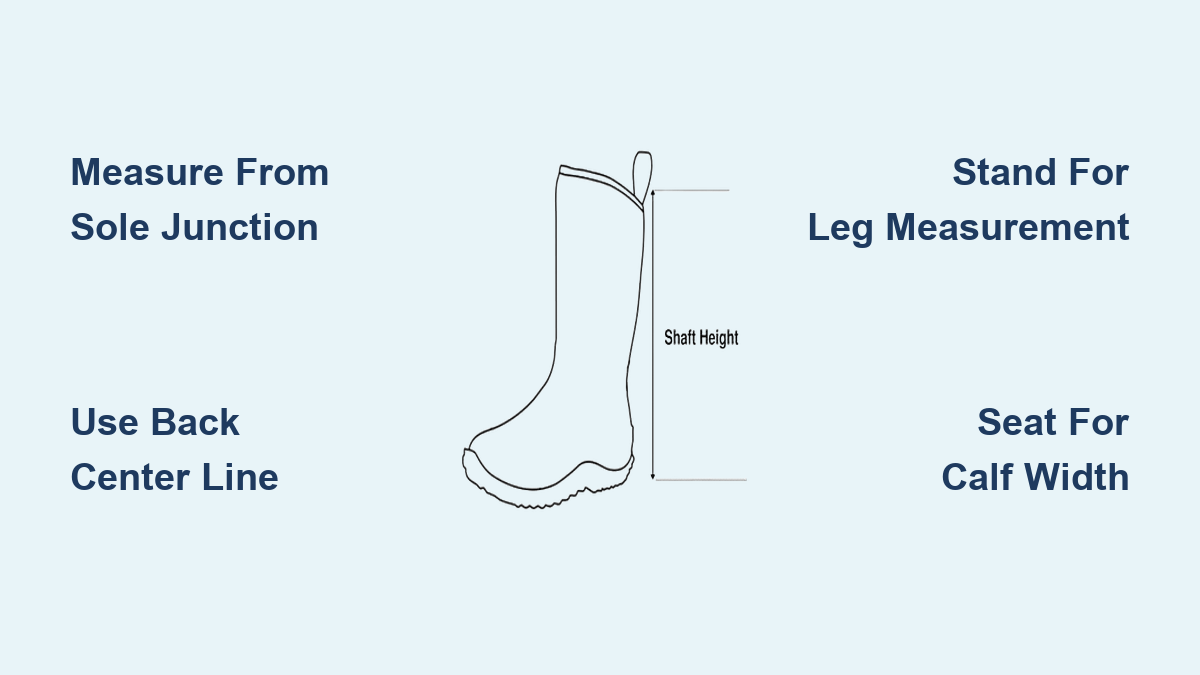
Shaft height is the vertical distance from the top of the sole to the highest point of the boot at the back of the leg. It determines how high the boot sits on your calf and directly affects protection, mobility, and style. This measurement does not include heel height, only the structure of the shaft itself.
Why It Matters
The shaft height defines the boot’s category:
– Ankle (under 6″): Minimal coverage, maximum flexibility.
– Mid-calf (6″–8″): Balanced support and protection.
– Knee-high (11″+): Full lower-leg coverage for extreme conditions.
Knowing your ideal shaft height prevents issues like debris entering the boot, restricted movement, or inadequate ankle support.
Where to Measure
Always measure at the back center of the boot:
1. Locate the junction where the sole meets the shaft.
2. Place your measuring tape here. This is the starting point.
3. Run the tape straight up to the top edge of the shaft.
4. Record the measurement in inches.
This method ensures consistency across all boot types, whether flat-soled or heeled.
How to Measure an Existing Boot

Tools You Need
- A rigid ruler or flexible measuring tape
- Flat surface to place the boot
Step-by-Step Measurement
-
Position the Boot Upright
Set the boot on a level surface with the heel flat. Avoid tilting. -
Find the Sole-Shaft Junction
Identify where the bottom of the boot (sole) connects to the upper shaft. Do not start at the bottom of the heel. -
Measure Vertically Up the Back
Place the zero mark of your tape at the sole-shaft line. Extend it straight up along the center back of the shaft to the top edge. -
Read the Measurement
Note the inch mark where the tape ends. This is the true shaft height.
Pro Tip: If using a flexible tape, keep it taut but not stretched. For rigid rulers, align carefully to avoid parallax errors.
How to Measure Your Leg for Boot Height

Why Leg Measurement Matters
Boot shaft height isn’t just about fashion; it’s about function. Measuring your leg tells you whether a 6″, 8″, or 11″ boot will reach the desired point on your calf or below the knee.
Standing Posture for Accuracy
-
Stand Straight
Keep feet shoulder-width apart, weight evenly distributed. Do not sit; this changes leg tension and gives false readings. -
Start at the Floor or Heel Base
Place the end of the measuring tape on the floor, aligned with the back of your heel. -
Run Tape Up the Back of the Leg
Follow the natural curve of your calf and Achilles tendon. -
Stop at Desired Boot Top Location
– For knee-high boots: End just below the kneecap.
– For over-the-knee styles: Extend further up the thigh as needed. -
Compare to Boot Specs
Match this measurement to the manufacturer’s listed shaft height. If your leg measures 14″ and the boot has a 14″ shaft, it should fit perfectly.
Warning: Never rely solely on shoe size. Two boots in the same size can have drastically different shaft heights.
How to Measure Calf Width Correctly
Sit Down Before Measuring
This is crucial: always measure your calf while seated. Standing engages the calf muscle, making it temporarily larger. A boot that fits while standing may become uncomfortably tight when you sit.
Find Your Calf’s Widest Point
- Sit with feet flat on the floor.
- Visually identify the thickest part of your calf, usually just below the knee, but varies by individual.
- Use your fingers to confirm the bulge during slight ankle movement.
Wrap the Measuring Tape
- Place the tape around the widest section.
- Ensure it’s snug but not compressing the skin, like how a boot would feel when laced.
- Keep the tape parallel to the floor; don’t let it tilt upward.
Check Both Legs
Most people have one calf slightly larger than the other. Always size to the larger calf to ensure a comfortable fit on both legs.
Expert Note: Manufacturers use calf width categories (XS to XXXL). If your measurement exceeds standard sizing, look for “wide calf” or “extended width” models.
Common Boot Height Categories Explained
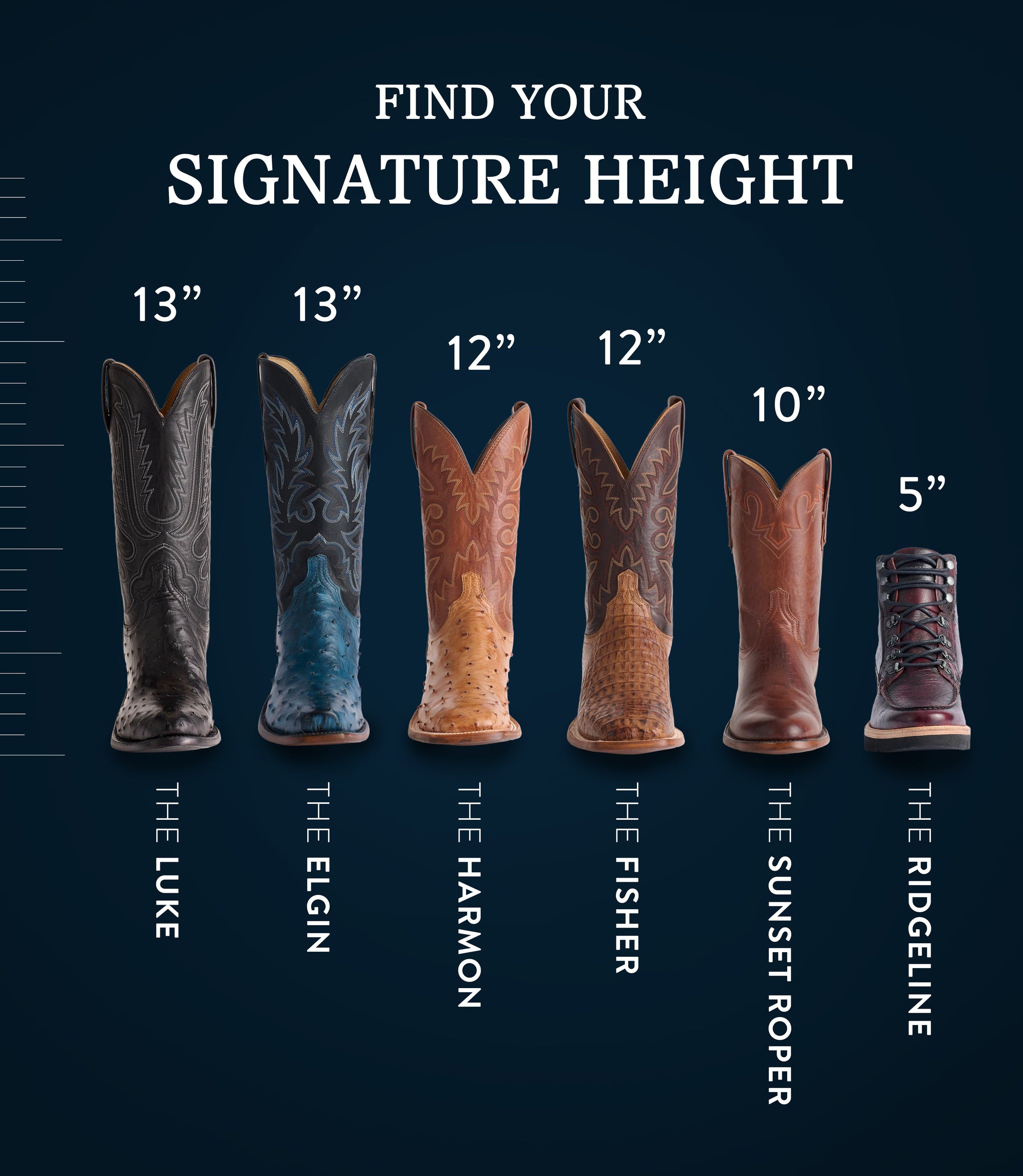
6-Inch Boots: Lightweight and Agile
Ideal for general work and daily wear, 6-inch boots offer:
– Faster lacing due to fewer eyelets
– Better breathability in warm environments
– Less pressure on the shin
– Easier transition from job site to office
Best for construction, warehouse work, urban security, and anyone prioritizing mobility.
8-Inch Boots: Maximum Protection and Support
These provide two extra inches of coverage, making them essential for:
– Enhanced ankle stability on uneven terrain
– Blocking mud, water, and snow from entering the top
– Meeting uniform requirements in tactical roles
Commonly required for police, fire departments, military, and agricultural workers.
User Feedback: Many report less ankle rubbing with 8-inch shafts since they sit above bony protrusions.
11-Inch+ (Wellington Style): Full-Leg Defense
Tall pull-on boots designed for:
– Deep mud or standing water
– Hunting, farming, and extreme weather
– Insulated models for winter use
These often skip laces entirely, relying on elastic side panels or pull tabs.
Protection vs. Flexibility Trade-Offs

| Feature | 6-Inch Boots | 8-Inch+ Boots |
|---|---|---|
| Ankle Support | Moderate | High |
| Debris Entry Risk | Higher | Very Low |
| Mobility | Excellent for climbing/kneeling | Slightly restricted |
| Weight | Lighter | Heavier |
| Heat Buildup | Lower | Higher |
| Shin Comfort | Minimal contact | Possible pressure if poorly fitted |
Choose based on your environment. Go taller for wet or muddy conditions. Opt for shorter shafts when agility matters most.
Tactical vs. Traditional Work Boots
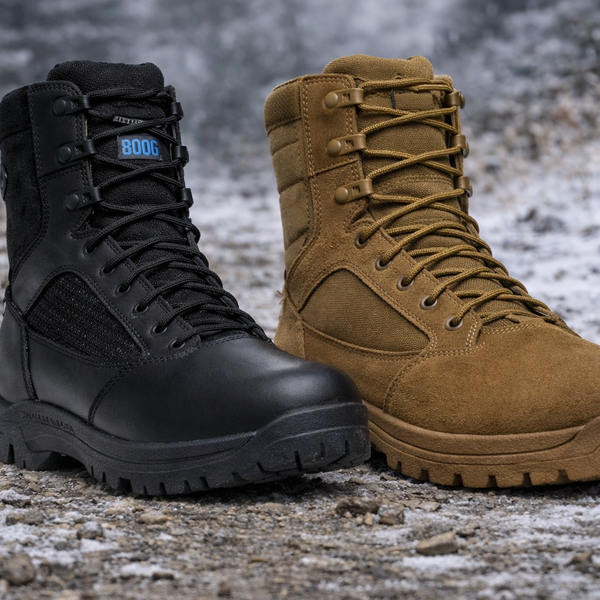
Traditional Work Boots
Built for durability and safety:
– Heavy-duty leather or synthetic materials
– Mandatory safety toes (steel/composite)
– Electrical hazard (EH) ratings
– Waterproof membranes
Used in manufacturing, utilities, and industrial jobs.
Tactical Boots
Designed for performance and appearance:
– Sleek, dress-shoe-like profile
– Often lighter and more flexible
– Meets safety standards but emphasizes discretion
– Glossy finishes for uniform compliance
Worn by law enforcement, military, postal workers, and private security.
Key Insight: Tactical boots often come in 8-inch heights to meet uniform codes while offering protection.
How to Choose the Right Shaft Height
1. Assess Your Environment
Ask yourself:
– Will you be in deep water, snow, or mud? Choose 8″ or taller.
– Working indoors or on dry surfaces? A 6″ boot is sufficient.
2. Evaluate Mobility Needs
- Frequent kneeling or climbing calls for 6-inch flexibility.
- Walking on rough terrain benefits from 8-inch ankle support.
3. Confirm Job Requirements
Some professions mandate minimum shaft heights:
– Police and security often require 8″.
– Firefighters may need specific high-top designs.
– Military regulations vary by branch.
Always check employer guidelines before purchasing.
4. Verify Fit Before Buying
Never skip personal measurements:
– Measure your leg (standing) for shaft height.
– Measure your calf (seated) for width.
– Compare both to product specs.
Red Flag: If a brand doesn’t list shaft height or calf circumference, look elsewhere.
5. Consider Aesthetic Use
- Need boots that go from worksite to meeting? A 6-inch offers versatility.
- Required to wear a formal uniform? Tactical 8-inch styles are preferred.
Maintenance Tips for Longevity
Even the best-fitting boots wear out without care. Extend their life with these steps:
Clean After Every Use
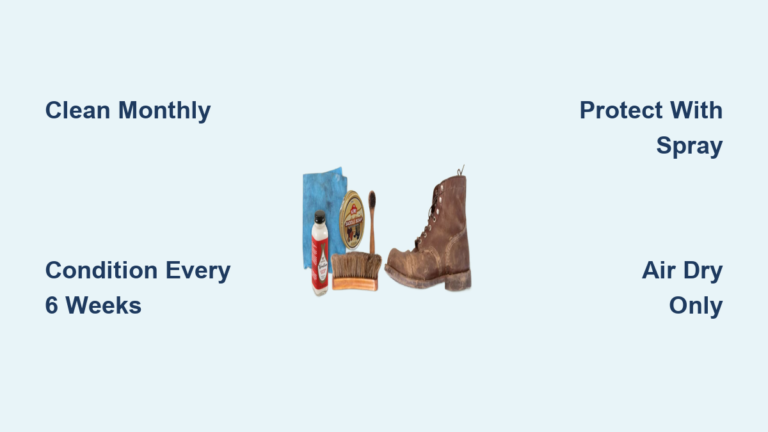
Remove dirt, salt, and mud with a damp cloth. Let dry naturally, never near direct heat.
Condition the Leather
Apply leather conditioner every 4–6 weeks to prevent cracking, especially at flex points like the ankle and shaft base.
Store Properly
Keep in a cool, dry place. Use boot shapers or stuff with paper to maintain shape.
Inspect the Sole-Shaft Joint
This high-stress area is prone to separation. Glue or stitch failure means water can enter, so repair early.
Frequently Asked Questions About Boot Shaft Height
What is the standard way to measure boot shaft height?
Measure from the top of the sole (where it meets the shaft) straight up the back center to the top edge. Do not include the heel in the measurement.
Should I measure my leg while sitting or standing?
Stand upright with weight evenly distributed for shaft height. Sitting is only required when measuring calf circumference, since standing engages the calf muscle and skews the reading.
What is the difference between 6-inch and 8-inch boots?
Six-inch boots offer more flexibility and breathability for general work. Eight-inch boots provide extra ankle support and better protection against debris, water, and uneven terrain.
Does shaft height include the heel?
No. Shaft height measures only the vertical structure from the sole-shaft junction to the top of the boot. Heel height is a separate measurement.
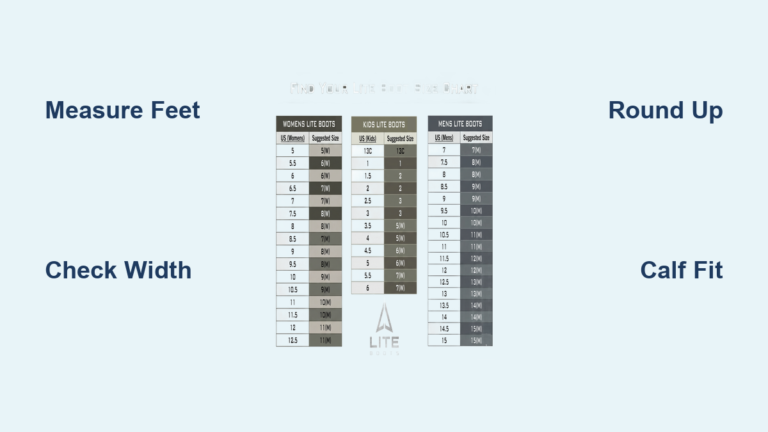
How do I know if a boot will fit my calves?
Measure your calf while seated at its widest point, then compare to the manufacturer’s listed circumference. Size to the larger leg and look for wide-calf options if needed.
Can two boots in the same size have different shaft heights?
Yes. Shaft height varies by brand and style regardless of shoe size. Always check the listed shaft height before purchasing.
Final Takeaways on Measuring Boot Shaft Height
Measuring boot shaft height isn’t guesswork; it’s a precise step that ensures your boots perform as intended. Start by measuring an existing boot from the sole-shaft junction to the top edge, then measure your leg while standing to find your ideal coverage zone. Remember to measure your calf while seated for accurate width sizing. Match both numbers to the manufacturer’s specs, and choose a height that fits your environment, mobility needs, and job requirements. With the correct fit, your boots won’t just protect your feet; they’ll support your entire stride.