
How to Measure Cowboy Boot Size
Finding cowboy boots that fit like they were made for you starts with accurate foot measurement. Many shoppers grab the wrong size because cowboy boots fit differently than sneakers or dress shoes. A snug heel, proper toe room, and the right width matter just as much as the number on the boot.
This guide walks you through measuring your feet at home, understanding cowboy boot sizing charts, and choosing the right fit for long lasting comfort. You will learn the tools you need, the steps to follow, and the mistakes to avoid when sizing cowboy boots online or in store.
Why Cowboy Boot Sizing Differs from Regular Shoes
Cowboy boots use a unique last, which is the foot shaped mold used to build the boot. This shape gives the boot its classic silhouette with a tapered waist, angled heel, and higher toe box. Because of this design, your sneaker size will not always match your cowboy boot size.
Most cowboy boot brands also offer different width fittings, typically labeled B (medium), D (standard), and EE (wide). A boot that feels tight in one brand may feel loose in another, even at the same labeled size. Measuring your feet correctly helps you pick the right size and width combination for your foot shape.
Pro Tip: Always measure your feet in the afternoon or evening. Your feet swell slightly throughout the day, and measuring at their largest gives you the most accurate size.
Tools You Need to Measure Cowboy Boot Size
You only need a few simple items to measure your feet at home. Gather these before you start:
• A piece of paper larger than your foot
• A pencil or pen
• A ruler or measuring tape
• A wall or flat surface
• Socks you plan to wear with cowboy boots
Wearing the right socks matters because thick boot socks add volume. If you plan to wear thin dress socks, measure with those instead. Consistency between your measurement socks and your everyday boot socks prevents sizing surprises.
Step by Step Guide to Measure Your Foot for Cowboy Boots
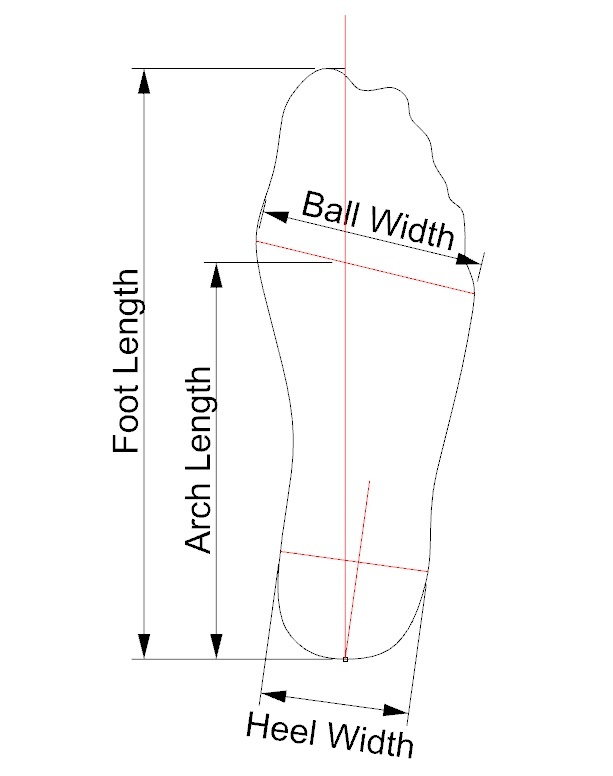
Follow these steps to get an accurate foot measurement at home. Take your time and measure both feet, since most people have one foot slightly larger than the other.
Trace Your Foot on Paper
Place the paper against a wall and stand on it with your heel touching the wall. Keep your weight evenly distributed on both feet. Use the pen to trace the outline of your foot, holding the pen垂直 to the paper.
Mark the Longest Points
Find the tip of your longest toe and mark the spot. Then mark the back of your heel where it meets the wall. These two points give you the length measurement you need.
Measure Length and Width
Use the ruler to measure from the heel mark to the toe mark in inches or centimeters. This is your foot length. Next, measure across the widest part of your tracing, usually near the ball of your foot, to find your foot width.
Compare to a Cowboy Boot Size Chart
Match your measurements to the brand specific size chart. Most cowboy boot brands use similar sizing, but small differences exist between makers. Always check the chart for the exact brand you plan to buy.
Reading a Cowboy Boot Size Chart Correctly
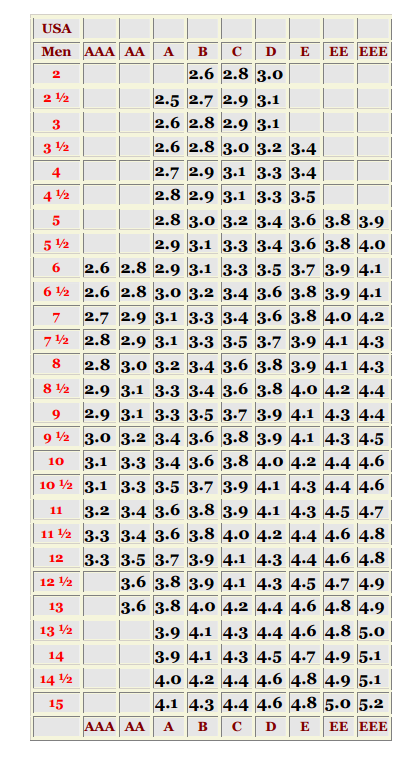
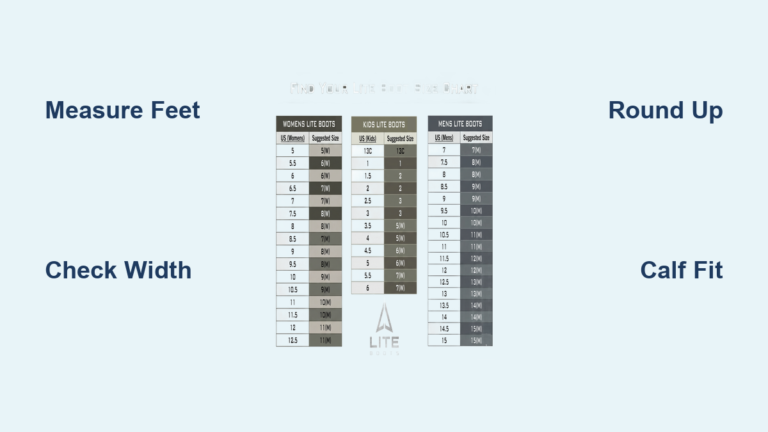
A cowboy boot size chart typically lists foot length in inches alongside the US boot size. Width options appear as separate columns or rows. Here is a simplified example based on common industry standards:
| US Boot Size | Foot Length (inches) | Foot Length (cm) |
|---|---|---|
| 7 | 9.625 | 24.4 |
| 8 | 9.75 | 24.8 |
| 9 | 10.0 | 25.4 |
| 10 | 10.25 | 26.0 |
| 11 | 10.5 | 26.7 |
| 12 | 10.875 | 27.6 |
| 13 | 11.25 | 28.6 |
If your measurement falls between sizes, most boot fitters recommend sizing down rather than up. Cowboy boots are designed to break in and conform to your foot over time. A boot that feels slightly snug at first usually fits perfectly after a few wears.
Common Cowboy Boot Fit Issues and How to Spot Them
Even with accurate measurements, fit problems can happen. Knowing what to look for helps you catch issues before they become painful.
Heel Slippage
A small amount of heel lift, around a quarter inch, is normal when you first wear cowboy boots. Excessive slipping means the boot is too wide or too long. Try a narrower width or half size down.
Toe Pain or Numbness
Your toes should have about half an inch of space beyond the longest toe when standing. If your toes press against the front, the boot is too short. Numbness often signals a width problem rather than a length problem.
Arch Discomfort
Most cowboy boots have minimal arch support compared to athletic shoes. If you have high arches, consider adding an aftermarket insole. A boot that feels flat across the midfoot usually means the arch area is too narrow for your foot.
Hot Spots and Blisters
New cowboy boots often create hot spots during break in. Targeted pain on the sides of your feet or the back of your heel points to a width or heel fit issue. Pain on the top of your foot suggests the instep is too low.
Measuring Cowboy Boot Width at Home

Width matters as much as length when fitting cowboy boots. A boot that is the right length but too narrow causes pain, while a boot that is too wide causes blisters and sloppy feel.
To measure width, wrap a soft measuring tape around the widest part of your foot, usually across the ball. Compare this measurement to the brand width chart. Standard widths include:
• B (medium): suits most men with average feet
• D (standard): slightly wider, fits many men comfortably
• EE (wide): designed for broader feet
Some brands also offer triple E for very wide feet. Women typically fit into B or C widths in cowboy boots, though sizing varies by maker.
Sizing Tips for Buying Cowboy Boots Online
Ordering boots online requires extra care since you cannot try them on first. These tips help you get the right fit on the first try.
Read Customer Reviews for Fit Notes
Many online shoppers mention whether boots run small, large, narrow, or wide. Look for reviews from people with similar foot measurements to yours. This real world feedback often reveals sizing quirks the official chart misses.
Check the Return Policy
Choose retailers that offer free returns or exchanges. Even with careful measurement, fit can vary between styles within the same brand. A flexible return policy protects your purchase.
Contact Customer Service
If you sit between sizes or have unusual foot dimensions, reach out to the seller’s support team. Many cowboy boot companies have experienced fitters who can recommend the right size based on your measurements and the specific boot model.
Breaking In New Cowboy Boots Without Pain
New cowboy boots feel stiff, and breaking them in takes time. Proper break in prevents blisters and extends the life of your boots.
Wear your new boots for short periods at first, around 30 minutes to an hour each day. Use leather conditioner to soften the material gradually. Walk on carpeted surfaces before taking them outside to avoid scuffing the sole.
Expert Note: Never soak cowboy boots in water to speed up break in. Water damages leather, causes shrinkage, and weakens stitching. Patience and leather conditioner are the safe path to a custom fit.
Frequently Asked Questions About Cowboy Boot Sizing
Should cowboy boots be a half size larger than my regular shoe size?
Not necessarily. Cowboy boot sizing depends on the brand and last shape. Some people size down half a size, while others wear their true size. Always measure your foot and check the brand chart rather than guessing based on your sneaker size.
How tight should a cowboy boot fit at first?
A properly fitting cowboy boot feels snug around the instep and heel without pinching. Your toes should have a small amount of wiggle room. Expect some tightness during break in, but never sharp pain or numbness.
Do cowboy boot sizes run the same for men and women?
Men’s and women’s cowboy boots use different size scales. A men’s size 10 is not the same as a women’s size 10. Many brands offer unisex sizing, but the number still maps to different foot lengths for men and women.
Can I measure my cowboy boot size without a Brannock device?
Yes. Tracing your foot and measuring with a ruler gives you accurate results at home. A Brannock device offers more precision, but a paper tracing works well for most shoppers buying boots online.
How do I know if my cowboy boots are too wide?
Excess heel slippage and side to side foot movement inside the boot signal a width problem. Your foot should feel secure without cramping. If you notice rubbing on the sides of your feet, the boots may be too narrow instead.
Do leather cowboy boots stretch over time?
Yes, leather stretches slightly with wear, especially across the vamp and instep. This natural break in is why a snug fit at purchase often feels perfect after a week of regular wear. Synthetic materials stretch less than genuine leather.
Key Takeaways for Measuring Cowboy Boot Size
Accurate cowboy boot sizing starts with measuring both feet in the socks you plan to wear. Match your length and width measurements to the brand specific chart, and remember that cowboy boots often fit differently than your everyday shoes.
If you sit between sizes, sizing down is usually safer than sizing up since leather stretches during break in. Pay attention to heel fit, toe room, and instep snugness, since these areas define how a cowboy boot feels during long wear.
Your next step is simple. Grab a piece of paper, trace your feet, and compare your measurements to the sizing chart for the cowboy boots you want to buy. A few minutes of measuring now saves you from the hassle of returns and the discomfort of poor fitting boots later.