Broken Fibula Recovery Time in Walking Boot
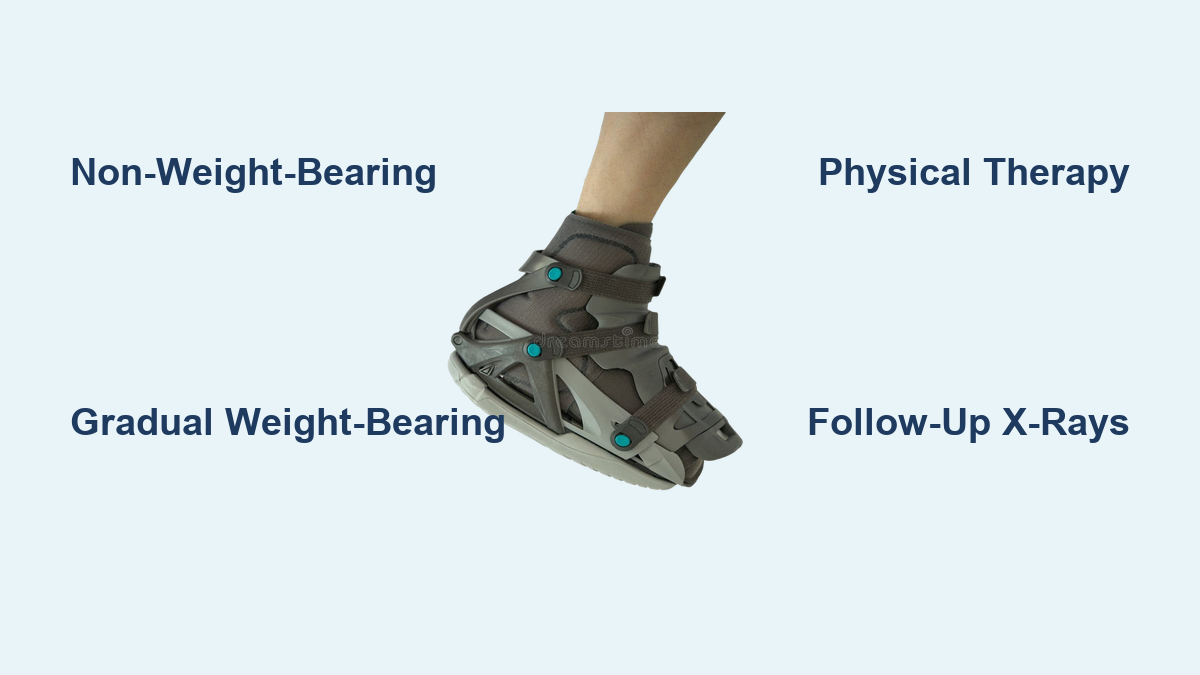
A broken fibula can stop your daily routine in its tracks and leave you wondering when you’ll walk normally again. Whether the injury came from a sports twist, a fall, or an accident, the uncertainty about healing can feel overwhelming. The good news is that most fibula fractures heal well, especially when treated with a walking boot and guided rehabilitation. The broken fibula recovery time in a walking boot typically spans 6 to 12 weeks for initial bone healing, with full recovery and return to all activities taking 3 to 6 months. Because the fibula bears only about 17% of your body weight, it often heals faster than other leg bones, and a walking boot allows earlier mobility than a rigid cast. This guide walks you through every recovery phase, explains how the boot supports healing, and shows you how to get back on your feet safely.
Early Healing Phase: Weeks 0–6
How the Walking Boot Protects the Fracture
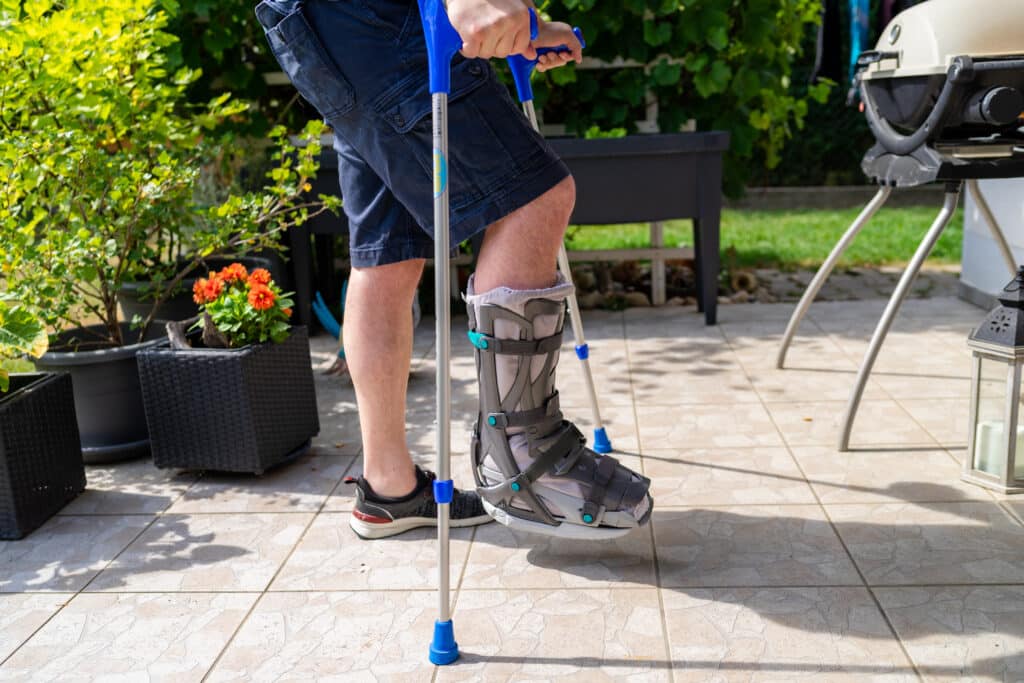
During the first 6 weeks, your body forms a soft callus around the broken bone, which is the foundation of natural healing. The walking boot acts as a protective shield, stabilizing the fracture site and preventing movements that could shift the bone out of place. Even though the fibula is not the main weight-bearing bone, putting pressure on it too soon can cause misalignment, especially with spiral or displaced fractures.
You’ll likely be told to stay non-weight-bearing and use crutches or a walker. This means no walking on the injured leg, even with the boot on. The boot’s rigid sole and ankle support keep the bone aligned, while adjustable straps accommodate swelling that naturally follows an injury.
Managing Pain and Swelling Safely
Pain is common in the first few days, especially with movement. Doctors often prescribe acetaminophen, sometimes combined with codeine, because it does not interfere with bone healing. Some anti-inflammatories like ibuprofen may slow recovery in certain cases, which is why acetaminophen is usually preferred.
To control swelling:
– Elevate your leg above heart level when sitting or lying down.
– Apply ice packs wrapped in a cloth for 15–20 minutes every 2–3 hours.
– Avoid long periods of standing or sitting with your leg down.
Gentle Physical Therapy From Day One
Even while non-weight-bearing, light physical therapy often begins within days of the injury. The focus is on keeping the joints above and below the fracture mobile, including your toes, knee, and hip. Simple moves like ankle pumps, toe curls, and knee bends keep blood flowing and prevent stiffness without stressing the healing bone.
Pro Tip: Small movements make a big difference. Your therapist may guide you through isometric contractions, which tighten muscles without moving the joint, helping preserve strength during immobilization.
Mid Recovery Phase: Weeks 6–12
Transitioning to Weight-Bearing
Around week 6, your doctor will likely order a follow-up X-ray to check for bone union. If healing looks good, you’ll begin gradual weight-bearing, starting with toe-touching, then partial weight, and eventually full weight as tolerated. This is where the walking boot outperforms a cast, because it allows controlled loading while still protecting the fibula.
A common progression looks like this:
– 50% weight-bearing at week 6
– 75% weight-bearing by week 8
– Full weight-bearing by weeks 10–12
Always follow your doctor’s specific instructions. Pushing too hard too soon can lead to re-injury or delayed healing.
Physical Therapy Intensifies
As weight-bearing increases, therapy shifts toward rebuilding strength, balance, and range of motion. Expect exercises such as:
– Heel raises to strengthen calves
– Ankle circles and resistance bands for flexibility
– Balance drills like standing on one leg to restore proprioception
The walking boot supports your ankle during these activities, reducing strain while allowing muscle activation. This helps prevent severe muscle atrophy, which is common with full casting, making recovery faster and more effective.
When the Walking Boot Comes Off
Most patients stop using the walking boot between weeks 8 and 12, depending on healing progress. Some transition to a removable ankle brace for extra support during walking, while others move straight to regular shoes if stability is good. Your therapist will assess your gait, strength, and balance before clearing you for unassisted walking.
Warning: Removing the boot too early, especially on uneven terrain or stairs, increases the risk of re-injury. Stick to your rehab plan.
Full Recovery Phase: Months 3–6
Building Strength and Endurance
By month 3, most people can walk normally and bear full weight. However, recovery is not finished. The next phase focuses on restoring full strength and endurance in the lower leg. Weakness in the calf, shin, and ankle muscles can linger even after the bone heals, raising the risk of future sprains or fractures.
Your physical therapist will design a progressive strengthening program that may include:
– Calf raises on a step to build push-off power
– Single-leg squats for stability
– Plyometric drills like jumping later in recovery
– Endurance walking or cycling
These exercises prepare your leg for daily activities, stairs, and eventually sports.
Returning to Sports and High-Impact Activity
Returning to running, jumping, or competitive sports should be gradual and physician-approved. Most athletes resume training between 4 and 6 months, depending on fracture severity and rehab progress.
Before returning, key milestones include:
– Full pain-free range of motion
– Equal strength compared to the uninjured leg
– Normal gait and balance
– Clearance from follow-up X-rays
Pro Tip: Start with low-impact activities like swimming or cycling, then progress to jogging on flat surfaces before returning to cutting or twisting sports.
Surgical vs. Non-Surgical Recovery Paths
Nondisplaced Fractures: Boot-Only Healing
If your fibula fracture is nondisplaced, meaning the bone cracked but stayed aligned, you’ll likely heal in a walking boot without surgery. Recovery follows the 6–12 week timeline, with full return to activity by 3–4 months. Strict adherence to weight-bearing rules is essential.
Displaced or Spiral Fractures: When Surgery Is Needed
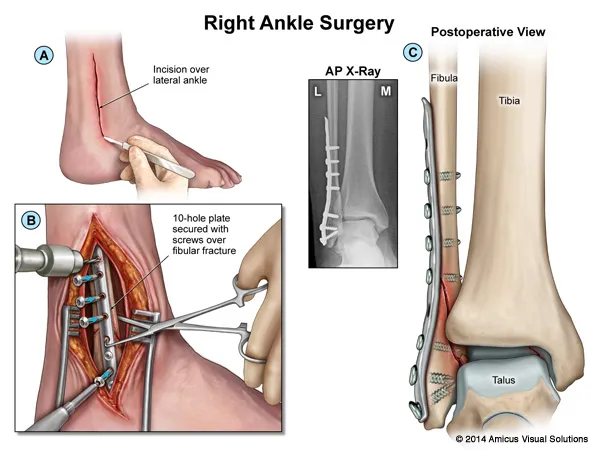
More severe breaks, such as displaced or spiral fractures, often require Open Reduction and Internal Fixation (ORIF). During surgery, the bone is realigned and secured with pins, rods, or screws.
Post-surgery recovery typically includes:
– Non-weight-bearing for 6–8 weeks
– Walking boot used after the initial cast or splint
– Healing timeline extended to 4–6 months for full recovery
Even after surgery, the walking boot plays a key role in the transition to walking, supporting the leg while protecting the surgical hardware.
Why Walking Boots Speed Up Recovery
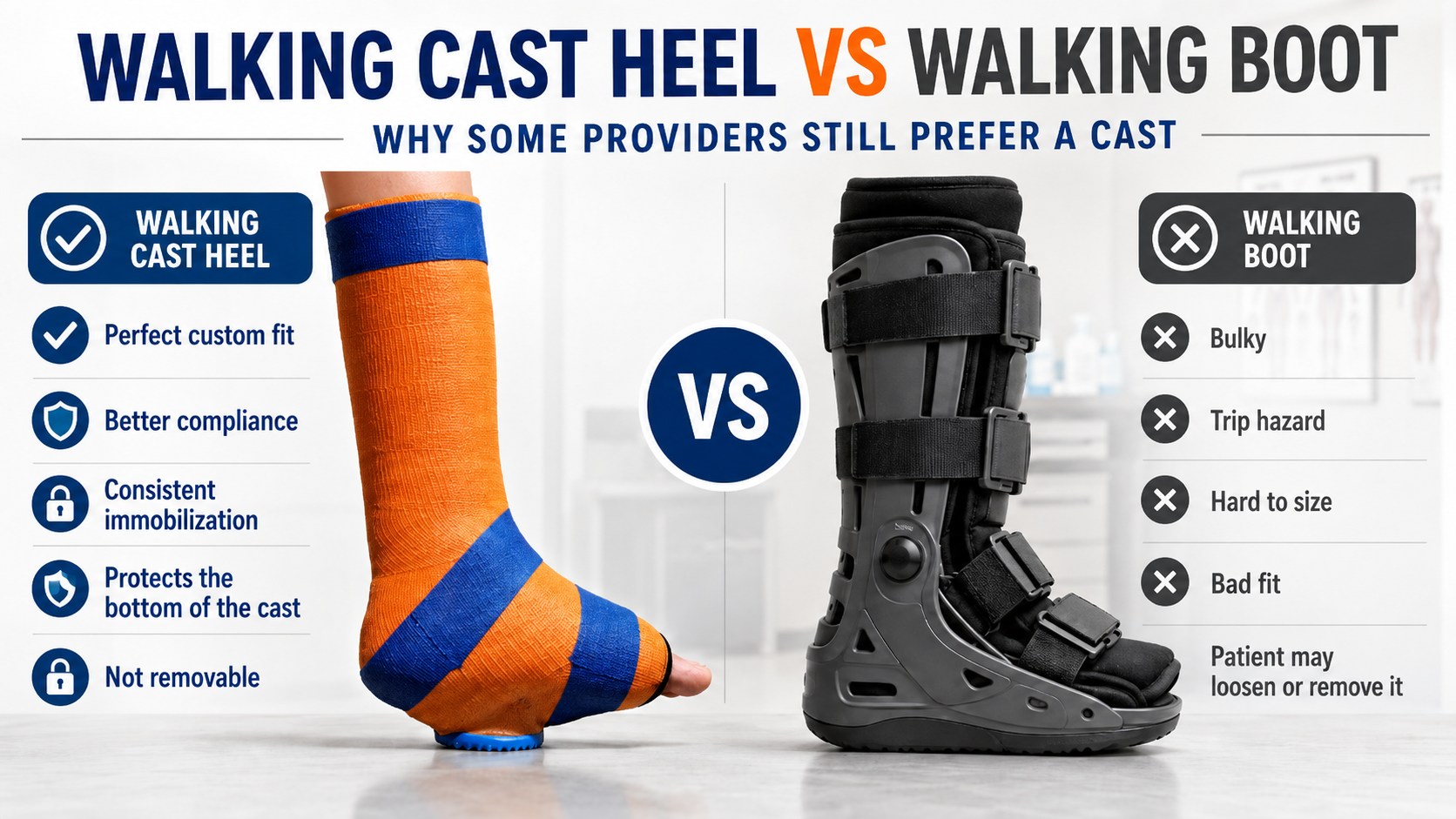
Compared to traditional casts, walking boots offer three major advantages that shorten recovery time:
- Muscle Preservation: Boots allow slight movement and muscle activation, reducing atrophy.
- Adjustability: Straps can be loosened or tightened as swelling changes.
- Easier Hygiene and Therapy Access: You can remove the boot for cleaning and targeted physical therapy.
Patients using walking boots often regain strength faster and require less intensive rehab than those in full casts, making them the preferred choice for many fibula fractures.
Common Complications to Watch For
Signs of Healing Problems
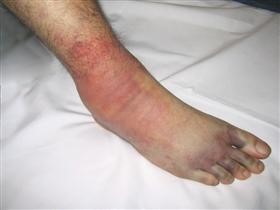
Most fibula fractures heal without issues, but complications can occur. Be alert for:
– Persistent or worsening pain after initial improvement
– Swelling that doesn’t go down with elevation
– Numbness or tingling in the foot, which may signal a nerve issue
– Cold or pale foot, which can indicate a circulation problem
These signs could point to compartment syndrome, a medical emergency, or malunion, where the bone heals crooked.
Infection Risk After Surgery
If you had ORIF surgery, watch for:
– Redness, warmth, or pus around the incision
– Fever or chills
– Increasing pain at the surgical site
Report these signs to your doctor immediately. Prompt antibiotics and wound care are critical.
Factors That Affect Your Recovery Time
What Determines How Fast You Heal?
Not everyone recovers at the same rate. Key factors include:
| Factor | Impact on Recovery |
|---|---|
| Fracture Severity | Nondisplaced heals faster; displaced or spiral takes longer |
| Age | Younger patients typically heal faster |
| Nutrition | Protein, calcium, and vitamin D support bone repair |
| Smoking | Slows healing significantly |
| PT Adherence | Diligent therapy leads to quicker return to function |
Bottom Line: Your commitment to physical therapy and weight-bearing guidelines is the single biggest factor in how quickly you recover.
Long-Term Outlook and Injury Prevention
Life After a Broken Fibula
Most people make a full recovery and return to all pre-injury activities. Some notice minor stiffness or occasional aching in cold weather, but this usually fades over time.
To reduce the risk of re-injury:
– Wear supportive footwear during high-activity periods
– Use ankle braces during sports if your doctor recommends them
– Continue strength and balance exercises even after formal therapy ends
Why Follow-Up Care Matters
Regular check-ups ensure your bone is healing properly. Your doctor may order final X-rays at 3 and 6 months to confirm complete union, especially if surgery was involved.
Frequently Asked Questions About Broken Fibula Recovery in a Walking Boot
How long does it take to walk normally after a broken fibula in a walking boot?
Most people walk unassisted by 8 to 12 weeks, with full recovery taking 3 to 6 months depending on fracture severity and rehab adherence.
Can I bear weight while wearing a walking boot for a broken fibula?
You should remain non-weight-bearing for the first 6 weeks unless your doctor advises otherwise. Gradual weight-bearing typically begins around week 6 after follow-up X-rays confirm healing.
Is a walking boot better than a cast for a broken fibula?
Yes, for many fractures. Walking boots allow muscle activation, adjustability, and easier hygiene, which often leads to faster recovery and less muscle atrophy compared to a rigid cast.
When can I return to sports after a broken fibula?
Most athletes return to sports between 4 and 6 months, once they have full strength, pain-free motion, and physician clearance based on imaging.
What pain medication is safe during fibula recovery?
Acetaminophen, with or without codeine, is preferred because it does not interfere with bone healing. Some doctors recommend avoiding ibuprofen, as it may slow recovery in certain cases.
What are the warning signs of a complication during recovery?
Watch for worsening pain, swelling that doesn’t improve, numbness, cold or pale toes, or fever after surgery. These can signal compartment syndrome, malunion, or infection and require prompt medical attention.
Key Takeaways for Recovering From a Broken Fibula in a Walking Boot
The broken fibula recovery time in a walking boot generally spans 6–12 weeks for initial walking, with full recovery by 3–6 months. Success depends on proper immobilization, gradual weight-bearing, and dedicated physical therapy. Your commitment to rehab and weight-bearing guidelines is the strongest predictor of how quickly you return to normal. Follow your treatment plan, listen to your body, and you’ll be walking confidently again, often faster than you expect.