Tecovas Boot Care Guide: Clean & Condition
You just unboxed your new Tecovas boots, handcrafted in León, Mexico, built with over 200 handmade steps, and designed to last. But how do you keep them looking sharp and lasting for years? The answer lies in proper Tecovas boot care. Without the right routine, even premium leather can crack, fade, or lose its luster. Whether you own a pair of sleek cowhide dress boots or exotic ostrich skin, each material demands specific attention to preserve its beauty and structural integrity.
The good news? Tecovas makes it easy with a complete care ecosystem, from the Basics Care Kit to professional restoration services. This guide breaks down every step you need, by material, by product, and by season, so you can clean, condition, and protect your boots like a seasoned cobbler. You will learn what to do (and what not to do) for suede, python, stingray, and more. Plus, we will show you how to extend boot life with simple habits and when to send them in for expert resoling. Let us get started.
Decode Your Boot’s Material Type
Identify Your Leather First
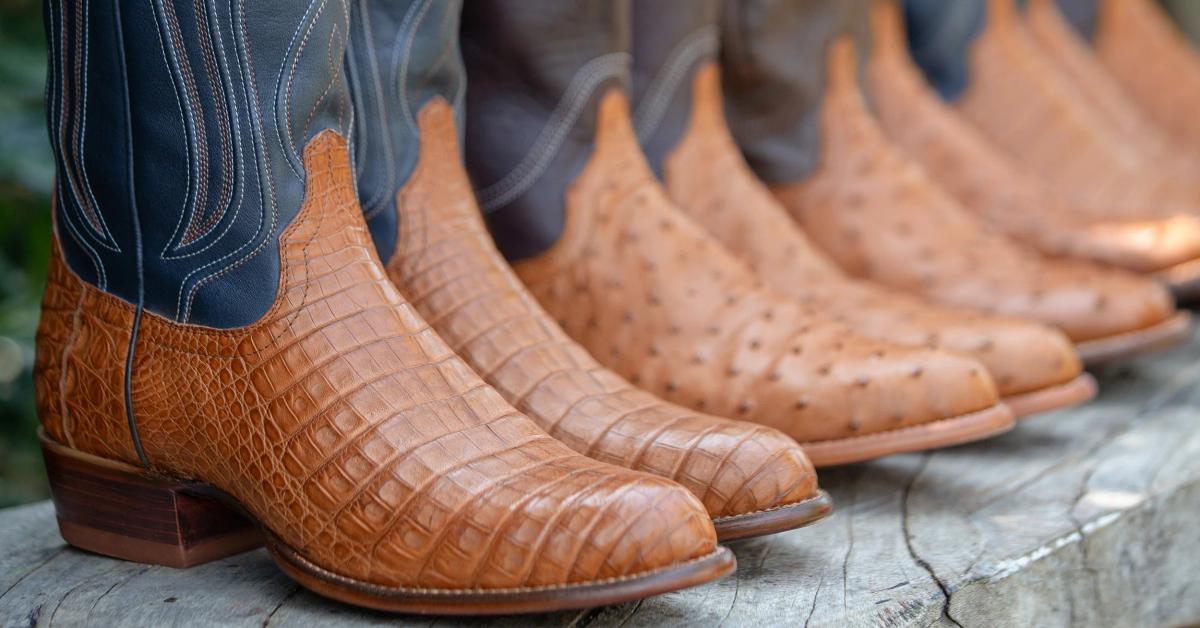
Before applying any product, know what you are working with. Tecovas uses over a dozen materials, each reacting differently to cleaners, conditioners, and polish. Using the wrong product, like wax on suede or heavy conditioner on goat leather, can permanently damage your boots.
Check your boot’s product page or insole tag for the exact material. Common types include:
– Cowhide and Calfskin (most common)
– Goat, Bison, Deerskin
– Exotics: Ostrich, Alligator, Python, Stingray
– Suede (velour finish)
When in doubt, treat it as delicate. A quick test on a hidden area (like the back of the shaft) can prevent disaster.
Standard vs. Exotic: Key Differences
Standard leathers like cowhide are forgiving and polish well. Exotics require gentler handling. Scales on reptile skins can lift if conditioned against the grain. Stingray’s bumpy texture resists polish but needs regular cleaning. Suede has no finish layer, so liquids soak in and stain.
Pro Tip: Store boots by material type. This helps you group care sessions and avoid cross-contaminating tools.
Clean Boots Without Causing Damage
Remove Debris Safely
Start every care session by removing dirt. Caked mud, dust, and salt can scratch leather during cleaning.
What to do:
1. Tap boots together to dislodge loose dirt.
2. Wipe with a slightly damp microfiber cloth.
3. Use the brick brush (from the Basics Kit) to scrub soles, heel edges, and seams.
Critical rule: Never clean wet boots. Let them dry naturally at room temperature, away from heaters or direct sun. Cleaning damp leather pushes moisture deeper, risking warping or mold.
Deep Clean with Foam Cleaner
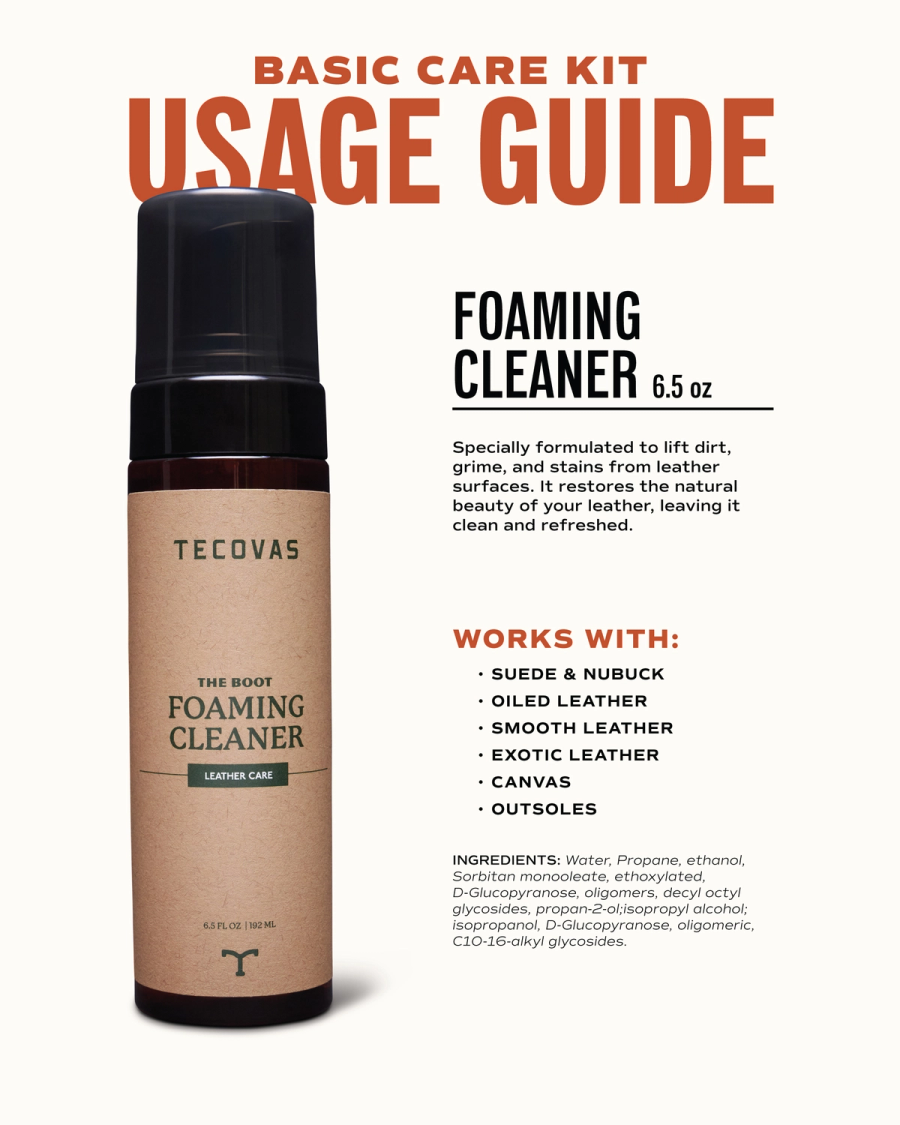
Use Tecovas Foam Cleaner for stains, scuffs, and general grime. This water-based formula lifts dirt without stripping natural oils.
Steps:
1. Spray foam onto a leather care cloth (never directly on boot).
2. Gently wipe in circular motions.
3. For stubborn spots, use the horsehair brush to agitate.
4. Wipe off residue and let dry 30+ minutes.
Avoid over-saturating. A little foam goes a long way.
⚠️ Never use household cleaners, saddle soap, or baby wipes. These can discolor or degrade finishes.
Condition Leather the Right Way
When to Condition by Material
Over-conditioning is the number one mistake. Some leathers thrive with monthly care. Others need it only 2–3 times a year.
| Material | Conditioning Frequency |
|---|---|
| Cowhide, Calfskin | Every 1–2 months |
| Ostrich (body/leg) | Every 1–2 months |
| Goat, Bison | 3–4 times/year (or as needed) |
| Alligator, Crocodile | Monthly |
| Python | Monthly |
| Suede, Shark | Never |
Goat and bison retain natural oils. Excess conditioner can make them greasy and attract dirt.
Apply Renovator Correctly
Use Tecovas Renovator (in the Basics Kit) for standard and exotic leathers that allow conditioning.
How to apply:
1. Work in small sections (e.g., one side of the shaft).
2. Apply a dime-sized amount with fingers or cloth.
3. Use a horsehair brush to work it deep into the grain.
4. Let absorb 15–30 minutes. Wipe off excess.
For python, always condition with the grain of the scales, top to bottom. Side-to-side brushing can lift scales.
✅ Pro Tip: Condition in a ventilated area. Mink and castor oils in Renovator have a slight odor that fades quickly.
Polish for Shine Safely
Use Wax Polish on Standard Leathers
Want that rich, glossy finish? Use Clear Wax Polish from the Basics Kit.
Steps:
1. Apply a small amount to the toe, heel, and high-wear areas.
2. Let dry 10–15 minutes.
3. Buff vigorously with a soft cloth or horsehair brush.
4. Repeat for deeper shine.
This polish enhances color depth and adds a protective layer.
Exotic Polish for Reptile Skins
For alligator, lizard, or caiman, use Exotic Polish (sold separately). It is formulated to condition and shine without cracking scales.
How to use:
1. Apply with fingertips in small amounts.
2. Use a horsehair brush with side-to-side motions to work into scale ridges.
3. Buff lightly.
Avoid wax-based polishes on exotics. They can clog pores and dry out the skin.
Never Polish These Materials
- Suede: Polish destroys the nap.
- Shark (Stingray): The bumpy texture does not take polish and can discolor.
- Python: Wax can cause cracking. Use cream polish only if needed.
Restore Edges and Hide Scuffs
Apply Edge Dressing
Heel and sole edges take the most abuse. Scuffs are inevitable, but they do not have to show.
Use Edge Dressing from the Basics Kit to:
– Conceal scratches
– Rehydrate leather edges
– Maintain a clean, professional look
How to apply:
1. Paint along the top edge of the sole and heel.
2. Extend slightly under the toe box.
3. Let dry 10 minutes.
4. Buff lightly.
One coat lasts weeks. Reapply when edges look dry or faded.
💡 Expert Note: Edge Dressing is water-soluble. Avoid puddles or deep mud after application.
Protect Against Water and Odors
Apply Water-Based Protector
Even if you do not walk in rain, humidity and spills happen. Tecovas Protector Spray adds a breathable barrier.
Important: Test on a small area first. Some leathers (especially lighter colors) may darken slightly.
Application steps:
1. Spray evenly from 6 inches away.
2. Wipe off excess with a cloth.
3. Let dry 1–2 hours.
4. Apply a second coat.
5. Let cure overnight before wearing.
Reapply every 3–6 months, or after deep cleaning.
Why water-based? It does not clog pores like silicone-heavy sprays, allowing leather to breathe.
Deodorize Without Damage
Sweat and bacteria cause odors. Do not spray perfume inside. Use Tecovas Refresher.
How to use:
1. Remove insoles (if removable).
2. Spray 2–3 times inside the boot.
3. Let air dry overnight.
Avoid sprays with alcohol. They dry out leather linings.
Special Care by Material
Suede: Clean Only, Never Condition
Suede is delicate. The velvety nap absorbs liquids instantly.
Do:
– Use Foam Cleaner only (from Basics Kit)
– Brush with a suede brush or eraser for stains
– Store in dust bags
Do not:
– Apply conditioner, wax, or protector
– Get fully wet
– Use heat to dry
If soaked, stuff with paper towels and air dry for 24+ hours.
Python: Handle with Extreme Care
Python skin cracks easily if too dry or too wet.
Rules:
– Condition monthly with the grain
– Never soak or use heavy polish
– Use cream polish sparingly if shine is needed
– Store in a cool, dry place
Avoid humid basements and dry desert heat.
Shark (Stingray): Gentle Cleaning Only
Stingray’s pebbled texture is tough, but polish ruins it.
Care routine:
– Wipe with damp cloth weekly
– Use horsehair brush to remove dust
– Never apply wax or cream polish
– Condition only if leather looks dry (rare)
Ostrich: Balance Shine and Hydration
Ostrich leather is durable but needs regular care.
- Clean with damp cloth or horsehair brush
- Condition every 1–2 months
- Polish with wax for toe box shine
- Avoid over-wetting quills
Use the Right Tools and Products
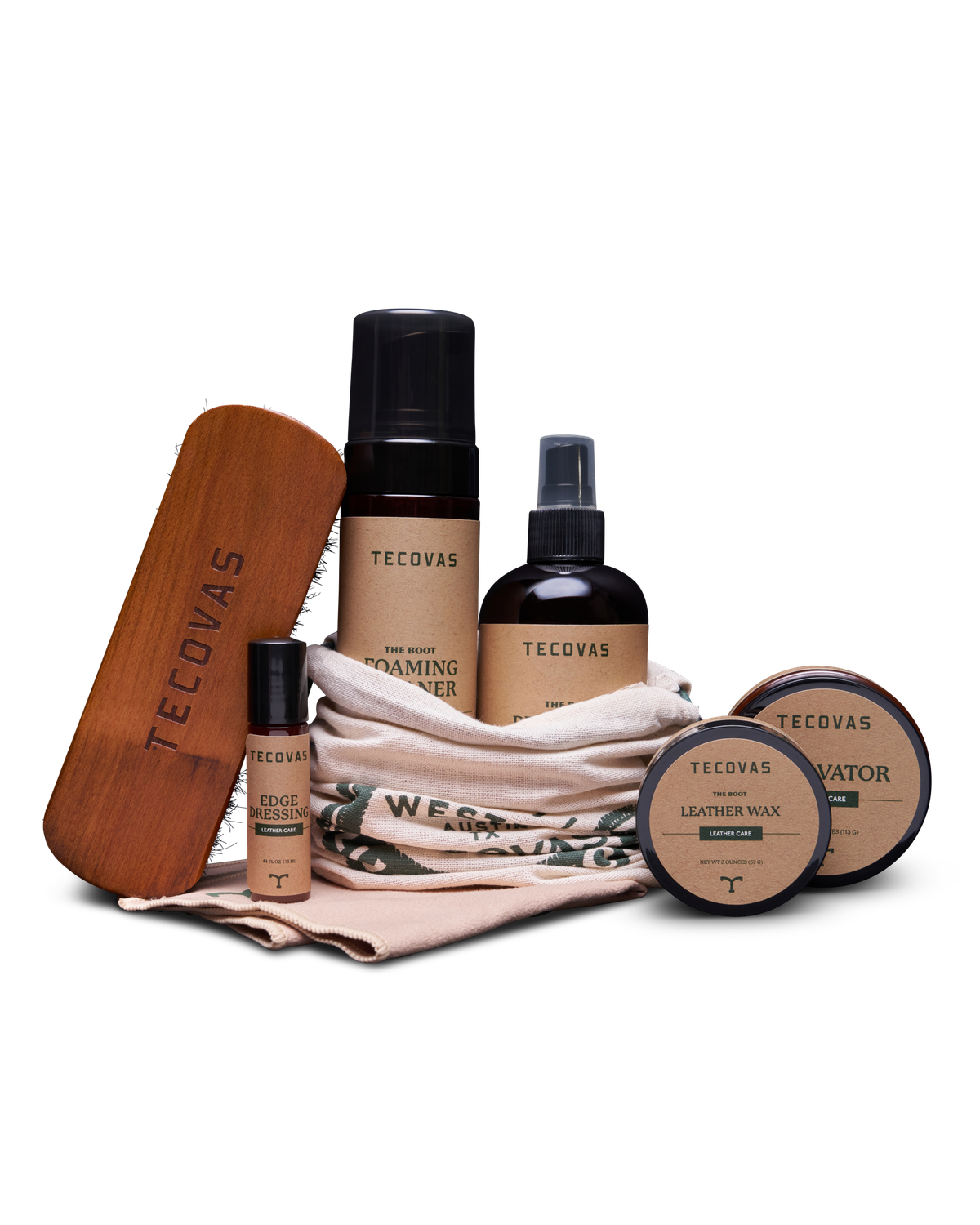
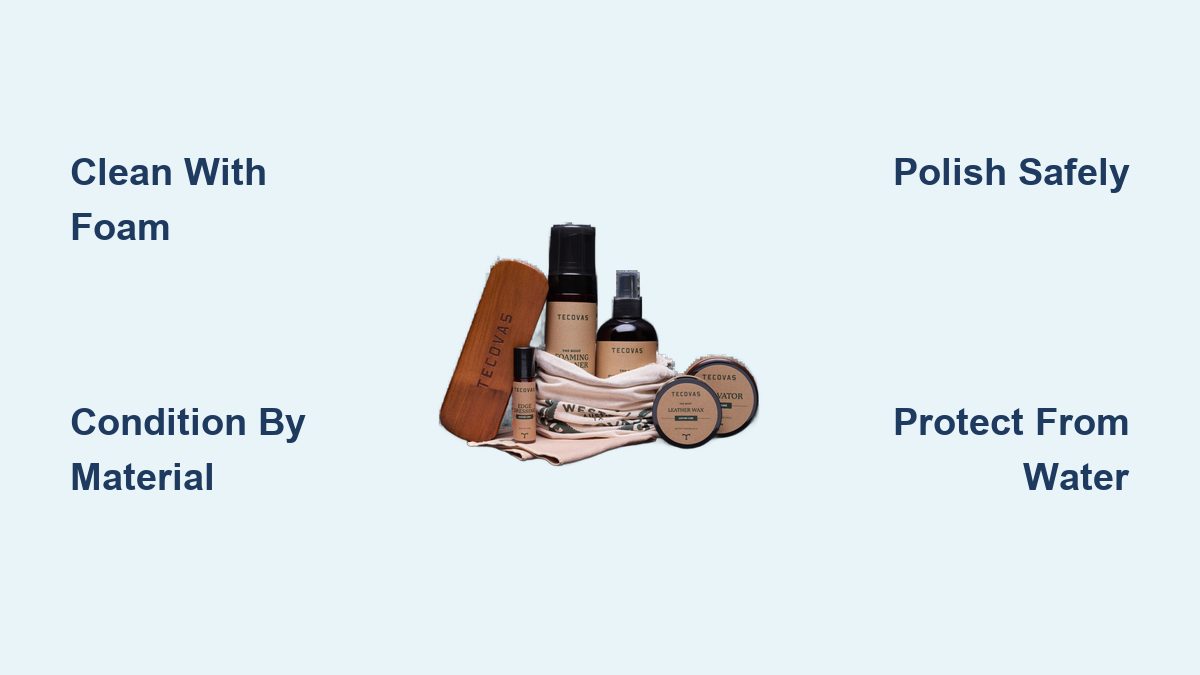
Tecovas Basics Care Kit Breakdown
Everything you need for most leathers, except exotics.
| Product | Purpose | Frequency |
|---|---|---|
| Foam Cleaner | Remove dirt and stains | After heavy wear |
| Renovator | Condition and soften | Every 1–2 months |
| Clear Wax Polish | Add shine | As desired |
| Edge Dressing | Hide sole scuffs | Monthly |
| Protector Spray | Water resistance | Every 3–6 months |
| Brick Brush | Deep clean soles | With each session |
| Leather Cloth | Apply products evenly | Every use |
Kit cost: $85. Worth it if you own multiple pairs.
Standalone Products for Specific Needs
| Product | Best For | Price |
|---|---|---|
| Exotic Polish | Alligator, lizard, python | $20 |
| Leather Conditioner (Standalone) | Extra Renovator | $35 |
| Boot Cleaner (Standalone) | Refill foam | $25 |
| Leather Protector Spray | Heavier-duty shield | $50 |
| Boot Jack | Remove boots safely | $95 |
| Shoe Horn | Prevent heel crush | $50 |
Boot Jack Tip: Always use one. Stepping on the heel counter weakens the structure over time.
When to Seek Professional Help
Free In-Store Polish Service
Visit any Tecovas retail store for a complimentary polish. Great for:
– Quick shine before an event
– Learning proper technique from staff
– Checking for early wear signs
No appointment needed. Just walk in.
Mail-In Restoration with NuShoe
Boots scuffed, sole worn, or needing a full refresh? Tecovas partners with NuShoe for professional restoration.
Services include:
– Deep cleaning and conditioning
– Full resoling (leather or rubber)
– Heel replacement
– Structural repair
How it works:
1. Order a Restoration Label from Tecovas.com.
2. Ship boots to NuShoe.
3. Get them back in 2–3 weeks, like new.
Ideal for boots worn daily or in harsh conditions.
Prevent Damage with Daily Habits
Rotate Your Boots
Wear the same pair two days in a row? You are speeding up wear. Leather needs 24–48 hours to dry out and recover.
Ideal rotation: 2–3 pairs. Lets each pair rest and air out.
Store Properly
Never toss boots in a closet or trunk.
Best storage:
– Use dust bags (included with Basics Kit)
– Keep in a cool, dry place
– Avoid plastic, which traps moisture
– Use boot shapers or stuff with paper to maintain shape
Avoid These Mistakes
- Wearing boots in rain or snow without protection
- Using heat to dry (radiators, hair dryers)
- Skipping the brush after wear
- Trying on boots on hard floors (voids returns)
Frequently Asked Questions About Tecovas Boot Care
How often should I condition my Tecovas boots?
Conditioning frequency depends on the leather type. Cowhide and calfskin need conditioning every 1–2 months. Goat and bison only need it 3–4 times per year. Exotic skins like alligator, crocodile, and python require monthly conditioning. Suede and shark should never be conditioned.
Can I use regular leather conditioner on Tecovas exotic boots?
No. Tecovas recommends its own Exotic Polish for reptile skins like alligator, lizard, and caiman. Standard conditioners and wax polishes can clog pores and damage scales. For python, use a cream-based polish only if absolutely necessary, and always condition with the grain.
What should I use to clean Tecovas suede boots?
Only the Tecovas Foam Cleaner is safe for suede. Apply it to a leather care cloth, never directly on the boot. Use a suede brush or eraser for stubborn stains. Never apply conditioner, wax polish, or standard protector, as these will permanently damage the nap.
Is the Tecovas Basics Care Kit worth buying?
Can Tecovas resole boots that have worn-down soles?
Yes. Tecovas partners with NuShoe for a mail-in restoration program that includes full resoling (leather or rubber), heel replacement, and deep cleaning. Order a Restoration Label from the Tecovas website, ship your boots in, and receive them back in about 2–3 weeks.
How do I store Tecovas boots long-term?
Store boots in the included dust bags in a cool, dry place. Avoid plastic containers, which trap moisture and can cause mold. Use boot shapers or stuff the shafts with paper to maintain shape. Never store boots in humid basements or near heat sources.
Final Thoughts on Long-Term Tecovas Boot Care
Tecovas boots are built to last, but only with consistent care. Follow this guide, and you will extend their life by years. Clean after every wear, condition by material, and protect from water. Use the right products, avoid over-treating delicate leathers, and take advantage of free polish and professional restoration services when needed.
Your boots are not just footwear. They are an investment in craftsmanship and ethical manufacturing from one of the oldest bootmaking regions in the world. With proper Tecovas boot care, they will look better with age, not worse. Start your care routine today, and ride tomorrow in confidence.