
Walking Boot Night Pain: Quick Steps
You’re not alone if your walking boot feels like a prison sentence at bedtime. Millions recovering from foot or ankle injuries report worsening pain the moment their head hits the pillow, despite doing everything “right.” The irony? The very device meant to heal you becomes a source of agony when you’re trying to rest. Walking boot pain at night is a widespread, under-discussed issue rooted in heat, pressure, poor sleep posture, and biomechanical strain. More than discomfort, nighttime pain can sabotage healing by disrupting sleep, increasing inflammation, and weakening recovery resilience.
This guide dives deep into why walking boots hurt at night, how they trigger secondary pain across your body, and the science-backed strategies to sleep better without compromising healing. From adjusting straps correctly to using elevation and cooling tricks, you’ll learn actionable ways to reduce nighttime discomfort, prevent complications like blood clots or pressure sores, and protect your mental well-being during recovery.
Why Night Pain Happens
Boot Must Stay On at Night
Medical protocols require 24-hour walking boot wear during early recovery, including while sleeping. This isn’t arbitrary. The boot stabilizes your injury, prevents unconscious movements from disrupting healing alignment, and shields against accidental impacts during tossing and turning. Removing it increases the risk of re-injury or delayed healing.
However, continuous wear creates a perfect storm for discomfort. At night, reduced distractions make pain more noticeable. Lying still allows swelling to build, and your body’s natural drop in cortisol (an anti-inflammatory hormone) can amplify pain signals. The rigid structure traps heat, restricts blood flow if too tight, and disrupts normal sleep positions, turning rest into a battle.
Heat Traps and Sweating Build-Up
One of the top complaints: the boot feels like an oven. The enclosed design prevents airflow, causing body heat and sweat to accumulate. This leads to:
- Skin irritation
- Itching
- Moisture-related infections
- Sleep disruption
Cotton socks worsen this by absorbing sweat and staying wet. Opt for moisture-wicking fabrics instead, and consider airing out the boot liner daily if removable.
Pressure Points and Circulation Issues
The boot’s hard shell presses into the mattress when lying down, creating pressure on the heel, ankle, or calf. Tight straps can restrict circulation, leading to:
- Throbbing
- Numbness
- Tingling
- Swelling
Conversely, overly loose straps let your foot slide, causing friction blisters and instability anxiety. Strap balance is key: snug enough to stabilize, loose enough to allow for overnight swelling.
Fix Your Sleep Position

Elevate Your Leg Above Heart Level
Swelling peaks at night due to inactivity. Elevate your leg on pillows so it’s higher than your heart. This uses gravity to drain fluid, reducing pressure and throbbing pain. Do this especially in the first 3 to 5 days post-injury.
Pro tip: Use a long body pillow or foam wedge to keep the leg stable and prevent rolling.
Back Sleepers: Support the Boot’s Weight
Sleeping on your back? Place pillows under your entire leg, not just the knee, to maintain elevation and prevent the boot from pulling your leg outward. This reduces hip and lower back strain caused by pelvic tilt.
Avoid letting the boot hang off the bed or press into the mattress base, which can compress nerves and blood vessels.
Side Sleepers: Use a Pillow Between Knees
Side sleeping is common but risky with a boot. The heavy device can drag your top leg down, twisting your spine and pelvis. Tuck a firm pillow between your knees and above your ankle to support the boot’s weight and keep hips aligned.
This simple step prevents secondary lower back pain, one of the most common side effects of boot wear.
Try a Reclined Sleeping Position
If flat lying hurts, sleep semi-upright using a recliner or stacked pillows. This position reduces swelling, takes pressure off the foot, and eases breathing if you’re anxious. It’s ideal for acute pain or post-surgery nights.
Just ensure your neck and back are supported to avoid morning stiffness.
Cool the Boot, Not Your Recovery
Loosen Straps Before Bed
Tight straps worsen heat and restrict blood flow as swelling increases overnight. Loosen the top and middle straps slightly before sleeping, but not so much that your foot moves inside.
Check: You should be able to slide one finger under each strap. This small adjustment improves comfort and prevents circulation issues.
Keep the Boot Outside the Covers
Don’t tuck the booted leg under blankets. Leave it exposed or loosely covered to allow airflow. Overheating disrupts sleep cycles and increases pain perception.
Use a lightweight sheet or dedicate an old blanket to wrap around just your torso.
Blow Cool Air Into the Boot
If itching or heat builds up, use a hair dryer on “cool” setting or a small fan to blow air into the top of the boot. Never insert objects to scratch. This can break skin and cause infection.
Some patients place a straw or flexible tube into the boot opening to direct airflow deeper without touching the skin.
Prevent Secondary Pain
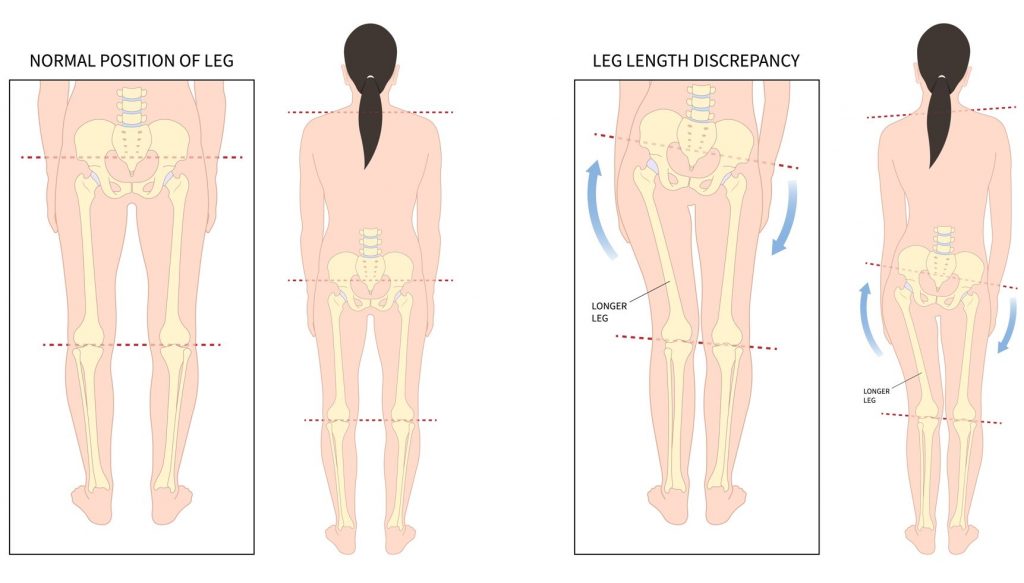
Limb Length Discrepancy Causes Back Pain
The thick sole of a walking boot makes your injured leg artificially longer. Even as little as 15mm can tilt your pelvis and curve your spine. Result? Lower back pain affects over two-thirds of boot users.
This misalignment stresses the lumbar and thoracic spine, often leading to chronic discomfort that persists months after boot removal.
Protect Your Hips and Knees
Your body compensates for the uneven leg length by shifting weight:
- Non-booted knee bends more, increasing outer joint pressure
- Booted-side knee flexes excessively
- Hips rotate inward, straining tendons
These gait changes increase joint stress and fatigue, especially if you’re mobile during recovery.
Combat Muscle Atrophy Early
Immobilization causes rapid muscle loss:
- Calf muscles shrink by 21.9%
- Thighs lose 24.1% volume
- Recovery takes months (only 0.26% daily calf growth)
Prevent weakness with doctor-approved exercises:
- Ankle pumps (point and flex toes)
- Toe curls
- Isometric calf squeezes
Do these hourly while awake to boost circulation and slow atrophy.
Avoid Serious Complications
Watch for Pressure Sores
Constant rubbing and pressure can cause bedsores on bony areas like the heel or ankle. High-risk patients (diabetics, elderly, immobile) must check skin daily.
Warning signs:
- Red, warm spots that don’t fade
- Blisters
- Open sores
- Burning or stinging under the boot
Use moleskin or Spenco Second Skin to pad sharp edges. Wear long, seamless socks as a barrier.
Reduce DVT Risk With Movement
Deep Vein Thrombosis (DVT) risk increases due to immobility and poor calf muscle pump action. Blood pools in the leg, raising clot danger.
Symptoms to report immediately:
- Unusual leg swelling
- Calf pain or tenderness
- Warmth or redness
- Bluish discoloration
Emergency signs: Sudden breathlessness, chest pain, coughing blood. Seek help instantly (possible pulmonary embolism).
Prevent DVT:
- Do ankle pumps hourly
- Stay hydrated
- Follow prescribed blood thinners
- Wear compression socks if advised
Manage Pain and Medication Smartly
Time Pain Meds Before Bed
Don’t wait for pain to wake you. Take prescribed medication 30 to 60 minutes before sleep so it peaks when discomfort rises. This prevents sleep disruption and reduces reliance on rescue doses.
Always follow dosage limits, especially with NSAIDs or opioids.
Ice Before Sleep (If Permitted)
Apply ice for 10 to 20 minutes before bed to reduce nighttime inflammation. Use a thin cloth barrier. Only remove the boot if your doctor allows.
If the boot must stay on, apply ice around accessible areas (like the ankle sides), but avoid prolonged direct contact through thick material.
Use Odor and Moisture Controls
Sweat breeds bacteria. Combat smell and infection risk by:
- Wiping the boot shell daily with a damp cloth
- Using antibacterial sprays (boot-safe)
- Inserting charcoal or silica gel insoles
- Changing socks twice daily
Dry the boot immediately if wet using a cool hair dryer.
Protect Your Mental Health
Sleep Loss Fuels Mood Swings
Only 1 to 2 hours of uninterrupted sleep is common early in recovery. Chronic sleep deprivation lowers pain tolerance and triggers irritability, anxiety, and emotional volatility.
Recognize that these feelings are normal side effects of healing, not personal failure.
Fight Isolation and Boredom
Mobility loss can feel isolating. Stay connected:
- Schedule daily video calls
- Join online recovery groups
- Listen to podcasts or audiobooks
Structure your day with routines for meals, hygiene, and rest to maintain a sense of control.
Seek Help for Depression Signs
Contact a professional if you experience:
- Persistent low mood for over 2 weeks
- Loss of interest in activities
- Difficulty concentrating
- Feelings of hopelessness
Early intervention prevents long-term mental health strain.
Safe Daily Living Tips
Don’t Drive With a Boot
Driving with a right-foot boot is dangerous and often illegal. Braking reaction time is impaired. Even left-foot boots affect balance and coordination.
Rely on rides, public transit, or telework until cleared.
Adapt Your Workspace
Office workers should:
- Raise chair height so both feet rest flat (use a footrest for the non-booted side)
- Take breaks to stretch and reposition
- Consider remote work during acute phases
Shower Safely
If the boot is non-removable:
- Wrap it in a plastic trash bag
- Seal with waterproof tape above the boot
- Dry thoroughly afterward
If removable, pat the area dry completely before reapplying.
Explore Better Boot Alternatives
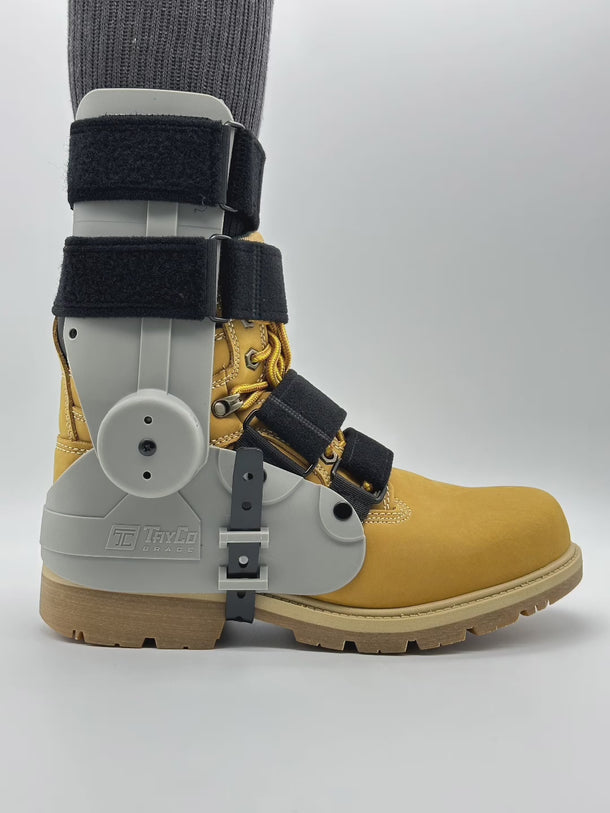
Traditional Boots Cause Secondary Pain
Standard CAM boots create limb length discrepancy, alter gait, and contribute to 67% of patients developing new pain, often in the back, hip, or knee.
One-third still suffer these issues three months after removal.
Try External Braces Over Shoes
Newer options like the TayCo External Ankle Brace fit over your regular shoe, eliminating height imbalance. Benefits include:
- Normal leg length
- Better gait mechanics
- Less back and joint pain
- Faster return to activity
Some clinics report replacing 85% of traditional boots with these devices due to superior comfort and outcomes.
Note: Suitability depends on injury type. Only your doctor can approve alternatives.
Know When to Seek Help
Warning Signs That Need Immediate Care
Contact your provider or go to urgent care if you have:
- Severe or worsening pain not eased by meds
- Fever, pus, or foul odor, which are signs of infection
- Numbness, cold toes, or blue discoloration, which indicate circulation failure
- Calf swelling and pain, which could signal DVT
- Open sores or hot spots under the boot
- Pain returns after boot removal, which could indicate incomplete healing
Never ignore persistent symptoms. Early action prevents complications.
Frequently Asked Questions About Walking Boot Pain at Night
Why does my walking boot hurt more at night than during the day?
Nighttime pain increases because reduced distractions amplify pain perception, swelling builds during inactivity, and your body’s natural anti-inflammatory hormone (cortisol) drops. The boot also traps heat and restricts movement, making discomfort more noticeable when you lie still.
Can I take my walking boot off to sleep?
In most cases, no. Medical protocols typically require 24-hour wear during early recovery to keep the injury stabilized and prevent unconscious movements from disrupting healing. If pain is severe, consult your doctor before removing it. Loosening straps slightly is usually the recommended adjustment.
How can I reduce heat and sweating inside my walking boot at night?
Use moisture-wicking socks instead of cotton, loosen straps slightly before bed, keep the booted leg outside your blankets, and blow cool air into the boot with a fan or hair dryer on the cool setting. Maintaining a bedroom temperature between 18 and 20°C (64 to 68°F) also helps.
What are the signs of a blood clot while wearing a walking boot?
Watch for unusual swelling in one leg, calf pain or tenderness, warmth, redness, or bluish discoloration. Emergency signs include sudden breathlessness, chest pain, or coughing blood. These require immediate medical attention as they may indicate a pulmonary embolism.
How long does muscle loss last after wearing a walking boot?
Calf muscles can shrink by approximately 21.9% and thighs by 24.1% within weeks of boot wear. Recovery is slow, with daily muscle growth estimated at only 0.26% for calves. Significant weakness can persist for two months or longer after boot removal.
Key Takeaways for Sleeping Better in a Walking Boot
Nighttime walking boot pain is common but manageable. Focus on three core strategies: elevate your leg above heart level to control swelling, loosen straps and cool the boot to improve airflow, and protect your skin with moisture-wicking socks and daily checks. Stay alert for warning signs like calf swelling, numbness, or fever, and report them to your doctor immediately.
Your next step: Set up your sleep environment tonight using the elevation and cooling tips above. Small adjustments can transform your rest and accelerate your recovery without compromising healing.