
How to Deodorize Hiking Boots: Quick Steps
You’ve just returned from a grueling trail—miles logged, views earned, and boots well broken in. But when you peel them off, a sharp, sour stench hits you like a wall. It’s not just embarrassment—it’s a sign your hiking boots are hosting a thriving colony of odor-causing bacteria. The good news? Deodorizing hiking boots is a solvable problem, and it starts with understanding the real culprit: not sweat, but the microbes feasting on moisture and dead skin inside your footwear.
Sweat itself is odorless. The stink comes when bacteria and fungi multiply in warm, damp conditions—exactly what happens inside your boots after hours on the trail. Over time, this leads to persistent “hiker funk” that no amount of airing out can fix. But with the right methods, you can eliminate odor at the source, not just mask it. This guide delivers proven, gear-safe techniques to deep-clean, disinfect, and maintain your hiking boots—whether they’re leather, synthetic, or waterproof. You’ll learn how to kill bacteria, absorb lingering smells, and prevent recurrence, so your boots stay fresh, functional, and ready for the next adventure.
Kill Bacteria with Enzyme Treatments
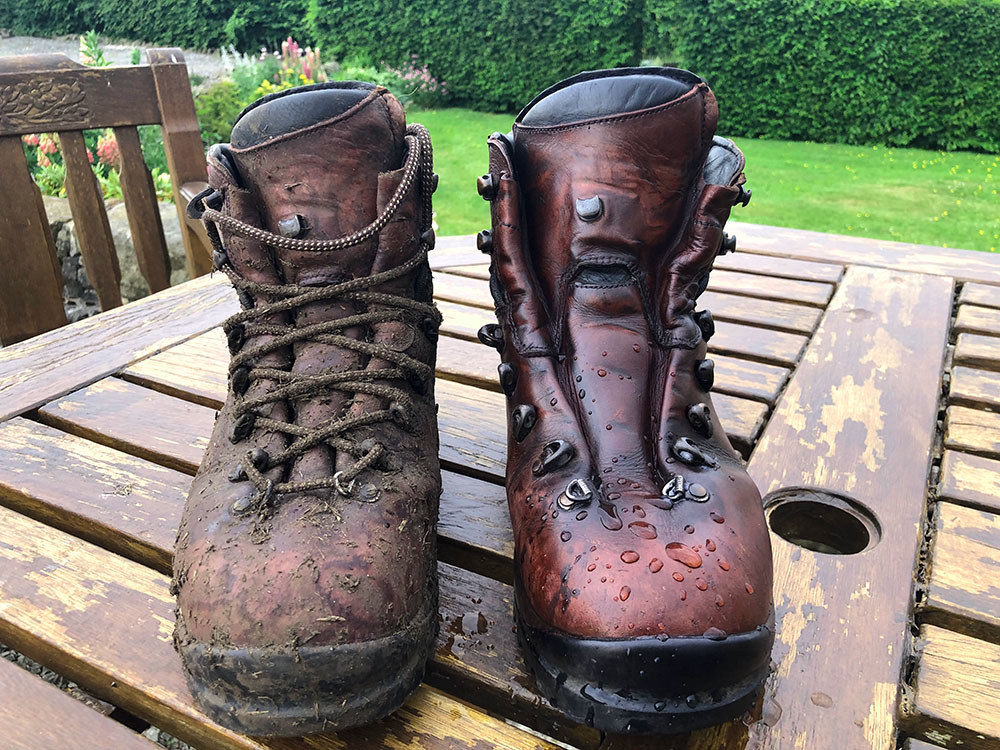
The most effective way to deodorize hiking boots is to destroy the bacteria feeding on sweat and skin cells. Enzyme-based cleaners do this by breaking down the organic matter that microbes thrive on, eliminating odor at its root.
Use Enzyme Soaks for Deep Cleaning
For boots with severe or long-standing odor, a full soak delivers the deepest clean.
– Remove insoles and loosen laces to expose all interior surfaces.
– Mix 1 teaspoon of Revivex or Nature’s Miracle per 2 gallons of cold or warm water.
– Submerge boots and insoles completely, ensuring full saturation.
– Let them soak until water absorption stops (usually 1–2 hours), then remove and air dry for 24–48 hours. Do not rinse or use heat.
Why it works: Enzymes continue breaking down proteins and fats during drying, providing lasting odor control. Unlike sprays, soaks penetrate seams, linings, and hidden crevices.
Try Enzyme Sprays for Routine Maintenance
For quick post-hike care, enzyme sprays offer a no-hassle solution.
– Spray OdorXit or Dead Down Wind liberally inside the boot, especially in high-moisture zones like the toe box and heel.
– Let boots dry naturally—no wiping or rinsing required.
Best for: Waterproof boots with Gore-Tex or eVent membranes, where soaking could compromise glued seams. Use after every hike to prevent bacterial buildup.
Absorb Odor with Baking Soda
Baking soda is a popular, low-cost option that neutralizes pH and absorbs moisture, making it ideal for quick odor control.
Apply Overnight for Quick Results
- Sprinkle 1–2 tablespoons of baking soda into each boot.
- Gently shake to distribute it evenly.
- Let sit for 8–24 hours, then shake out thoroughly.
Best for: Synthetic boots with removable insoles. Avoid on leather or suede, as prolonged exposure can dry out fibers and cause cracking.
Boost Effectiveness with Combo Treatments
- After a vinegar wipe-down, apply baking soda to absorb residual moisture.
- Mix with crushed tea bags or activated charcoal for stronger odor absorption.
Limitation: Baking soda doesn’t kill bacteria—it only masks and absorbs smell. Use it as part of a broader cleaning strategy.
Disinfect with White Vinegar Solution
White vinegar’s acetic acid kills bacteria on contact and dissolves salt buildup from dried sweat, making it a powerful natural disinfectant.
Wipe Interior with Vinegar-Water Mix
- Combine equal parts white vinegar and water in a spray bottle.
- Mist or wipe the boot’s interior, including seams, tongue, and heel.
- Let sit for 5–10 minutes, then air dry completely.
Safe for: Most synthetic linings and removable insoles. Avoid on untreated leather or glued components, as vinegar may weaken adhesives.
Pair with Baking Soda for Dual Action
- After vinegar treatment, sprinkle baking soda inside.
- Let sit overnight, then shake out.
- This combo kills bacteria (vinegar) and absorbs lingering odor (baking soda).
Note: The vinegar smell disappears once boots are fully dry.
Soak Boots in Warm Water
For boots that have absorbed years of grime, a warm water soak can flush out trapped sweat, salts, and bacteria.
Follow Safe Soaking Procedure
- Fill a basin with warm (not hot) water—never boiling.
- Submerge boots fully and let soak 8–12 hours.
- Water may turn gray or yellow—this is normal and indicates released contaminants.
- Hang boots to dry in a well-ventilated area, away from heat or sun.
Warning: Do not use soap—it can strip waterproof coatings like DWR. Only soak boots without structural damage (e.g., loose stitching, delamination).
Avoid for: Full-grain leather or vintage boots unless manufacturer-approved.
Neutralize Odor with Tea Bags
Black or green tea contains tannins, natural compounds that help kill bacteria and reduce odor by slightly acidifying the boot’s interior.
Insert Tea Bags Overnight
- Place 3–4 used or unused tea bags inside each boot.
- Leave for 12–48 hours.
- Remove and discard.
Bonus: Slightly dampen tea bags (wring out excess) to increase contact and absorption.
Safe for All Boot Types
- Works on leather, synthetic, and waterproof boots.
- Leaves a mild, earthy scent without residue.
- Can be combined with baking soda or charcoal for stronger results.
User Tip: Some hikers keep tea bags in storage bins to prevent odor buildup in gear.
Use Activated Charcoal for Long-Term Absorption
Activated charcoal’s highly porous surface traps odor molecules, making it ideal for ongoing maintenance.
Place Bags Inside Boots
- Insert one charcoal bag into each boot after hikes or during storage.
- Leave for 6–8 hours or overnight.
- Recharge by placing in direct sunlight for 2–4 hours.
Advantage: More effective than baking soda and reusable for 3–6 months.
Ideal for Storage and Prevention
- Keeps boots fresh between uses.
- Prevents musty smells in gear bags or closets.
- Cedar inserts offer similar benefits with a woodsy scent.
Dry Boots Properly to Prevent Recurrence
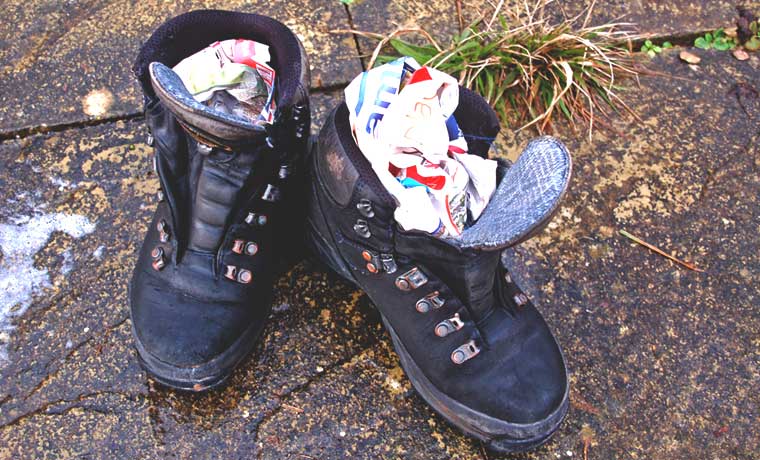
Improper drying is the #1 cause of recurring boot odor. Trapped moisture creates a breeding ground for bacteria—no matter how well you clean.
Air Dry Only—No Heat
- Never use a dryer, radiator, or hair dryer. Heat damages adhesives, warps insoles, and degrades waterproof membranes.
- Dry boots in a well-ventilated room, near a fan, or in an airing cupboard.
- Keep out of direct sunlight, which can fade and weaken materials.
Use Newspaper or Boot Trees
- Stuff boots with crumpled newspaper to absorb internal moisture.
- Replace paper every 6–8 hours until boots are fully dry (usually 24–48 hours).
- Boot dryers with low-heat airflow are acceptable but not essential.
Leather Care Tip: After drying, apply leather conditioner to prevent cracking.
Clean Insoles and Laces Separately
Insoles often harbor 90% of the bacteria causing boot odor. Cleaning them separately is non-negotiable.
Hand Wash with Mild Soap
- Remove insoles and laces completely.
- Use warm water and one drop of dish soap (e.g., Dawn).
- Gently scrub insoles with fingers or a soft brush.
- Rinse thoroughly—soap residue attracts more dirt.
Dry Completely Before Reinserting
- Place insoles near a heat source (not on it) or in sunlight.
- Ensure fully dry before putting back—damp insoles restart odor immediately.
Post-Clean Boost: Sprinkle insoles with baking soda or spray with enzyme solution before reinserting.
Prevent Odor Before It Starts
The best way to deodorize hiking boots is to stop odor from forming in the first place.
Wear Merino Wool or Synthetic Socks
- Cotton socks trap moisture—avoid them.
- Choose merino wool (e.g., Darn Tough, Smartwool) or synthetic blends.
- Merino is naturally antimicrobial and regulates temperature.
Pro Tip: Change socks mid-hike on multi-day trips to reduce moisture buildup.
Clean Boots After Every Hike
- Wipe exterior with a damp cloth to remove mud and grit.
- Use a soft brush for zippers and seams.
- Spray interior with enzyme deodorizer to kill bacteria early.
Store Boots Correctly
- Keep in a dry, ventilated area—not in plastic bags or damp garages.
- Insert charcoal bags, cedar inserts, or crumpled paper during storage.
- Avoid stacking heavy gear on boots, which compresses padding and limits airflow.
Avoid These Damaging Methods
Some popular “hacks” can ruin your boots. Steer clear of these:
❌ Washing Machine
Destroys stitching, adhesives, and waterproof membranes. Causes insoles to disintegrate.
❌ Dishwasher
High heat and harsh detergents warp materials. Ruins glue bonds and linings.
❌ Bleach or Harsh Chemicals
Corrodes fabrics, weakens fibers, and discolors leather. Leaves toxic residues.
❌ Freezing Boots
Myth: Freezing does not kill bacteria—it only pauses their activity. Thawing restarts growth. Risk of cracking leather.
❌ Direct Heat Sources
Radiators, hair dryers, and car dashboards warp insoles and delaminate soles.
Choose the Right Method by Boot Material

Match your cleaning method to your boot type.
Leather Boots
- Use: Enzyme sprays, tea bags, diluted vinegar, newspaper drying.
- Avoid: Baking soda (dries leather), soaking, freezing.
Synthetic Fabric Boots
- Use: Baking soda, vinegar, enzyme soaks, charcoal.
- Avoid: Bleach, hot water, machine washing.
Waterproof Membranes (Gore-Tex, eVent)
- Use: Enzyme sprays, wiping, air drying.
- Avoid: Soap on exterior, heat, aggressive scrubbing.
Suede or Nubuck
- Use: Professional suede cleaners only.
- Avoid: Vinegar, baking soda, soaking—these damage the nap.
Golden Rule: When in doubt, clean by hand with minimal moisture and prioritize air drying.
Follow a Step-by-Step Deodorizing Routine
For long-term freshness, use this proven protocol.
Immediate Post-Hike Care
- Air out boots immediately—remove laces and insoles.
- Wipe interior with vinegar-water mix or enzyme spray.
- Stuff with newspaper to draw out moisture.
Weekly Deep Clean
- Wash insoles and laces in soapy water; rinse and dry.
- Treat boot interior with:
– Enzyme soak OR
– Baking soda overnight OR
– Tea bags + charcoal - Air dry completely before storing.
Ongoing Prevention
- Wear odor-resistant socks.
- Spray boots with enzyme deodorizer after each use.
- Store with charcoal bags or cedar inserts.
- Inspect for moisture retention or chemical smells.
Know When to Replace Your Boots
Even the best care can’t fix everything. Replace boots if:
– They emit a persistent cat-pee smell—sign of polyurethane midsole breakdown.
– Insoles stay soggy or disintegrate after drying.
– Boots take over 24 hours to dry after light use.
– Odor returns within hours of cleaning.
– You see mold, delamination, or sole separation.
Upgrade Tip: Choose boots with natural linings (leather, cork) and breathable uppers to reduce future odor.
Final Takeaway: Stop Odor at the Source
Deodorizing hiking boots isn’t about covering up stink—it’s about disrupting the environment bacteria need to thrive. By combining bacteria-killing treatments, moisture control, and smart habits, you can keep your boots fresh, functional, and ready for every trail.
The most successful hikers don’t just clean their boots—they maintain them. With enzyme sprays, proper drying, merino socks, and preventive storage, you’ll spend less time battling odor and more time enjoying the outdoors.
Bottom Line: Fresh boots mean healthier feet, better performance, and no more embarrassment at the trailhead. Treat your gear right, and it will carry you farther—odor-free.