How to Get Rid of Boot Stink
You slip off your boots after a long shift or hike, and the smell hits you like a wall. That sour, cheesy stench isn’t just sweat. It’s bacteria feasting on moisture and dead skin, releasing volatile organic compounds (VOCs) like isovaleric acid (the “dirty sock” smell) and sulfur compounds (rotten egg vibes). Boots are especially prone to odor because their enclosed design traps heat and humidity, creating a perfect breeding ground for microbes.
The good news? You don’t have to live with stinky boots. This guide covers science-backed methods to eliminate existing odor, prevent future stink, and choose footwear that stays fresh. You’ll learn household fixes, commercial products, and daily habits that keep your boots smelling clean.
Immediate Fixes for Smelly Boots

When your boots already reek, you need fast solutions that target bacteria and neutralize odors at the source.
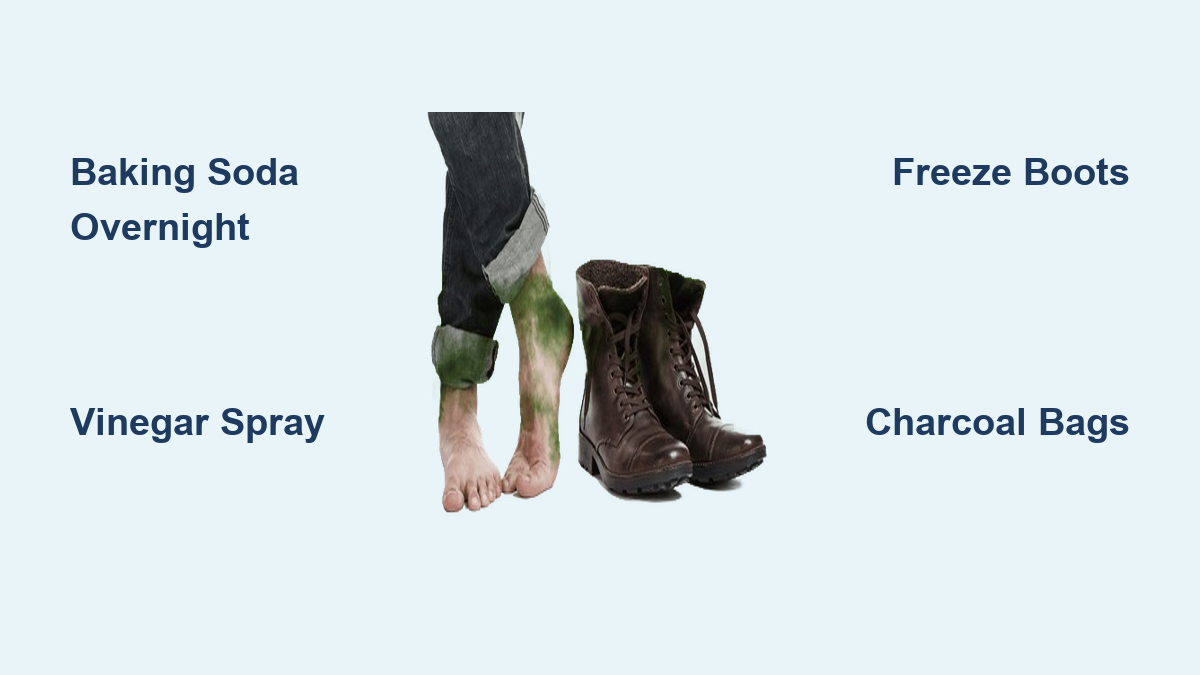
Use Baking Soda Overnight
Baking soda neutralizes acidic odor compounds and absorbs moisture, starving bacteria of their breeding ground.
How to apply:
1. Sprinkle 1–2 tablespoons of baking soda directly into each boot.
2. Shake gently to spread it across the insole and toe box.
3. Let sit overnight.
4. Shake out or vacuum residue in the morning.
Pro tip: Fill a clean sock with baking soda, tie it shut, and leave it inside the boot overnight. This packs the powder into the toe area without making a mess.
Why it works: Baking soda raises the pH inside the boot, creating an inhospitable environment for bacteria.
Spray with White Vinegar Solution
White vinegar kills bacteria and breaks down odor molecules. It’s safe for leather and synthetics and leaves no residue when dry.
How to use:
1. Mix equal parts white vinegar and water in a spray bottle.
2. Spray the interior thoroughly, focusing on the insole, heel, and toe.
3. Let boots air dry completely in a ventilated area. The vinegar smell fades as it dries.
Frequency: Use weekly for active odor control or monthly for maintenance.
Caution: Don’t soak leather. Light misting only. Over-wetting can damage glue and cause cracking.
Freeze the Bacteria Away
Cold temperatures can kill or deactivate odor-causing bacteria that thrive in warmth.
Steps:
1. Place boots in an airtight plastic bag to avoid freezer contamination.
2. Freeze for 6–12 hours.
3. Remove and let return to room temperature before wearing.
Best for: Synthetic or non-insulated boots. Avoid freezing leather or waterproof membranes repeatedly, as moisture expansion can damage materials.
Note: Freezing won’t eliminate all bacterial spores, so pair it with baking soda or vinegar for best results.
Insert Activated Charcoal Bags
Activated charcoal is highly porous and adsorbs (binds to) odor molecules and moisture, unlike sprays that just mask smells.
How to use:
– Place charcoal pouches inside boots overnight.
– Recharge them monthly by placing in sunlight for 1–2 hours.
Ideal for: Daily odor prevention or post-wear freshening.
Bonus: Charcoal naturally inhibits bacterial growth by reducing humidity inside the boot.
Apply Essential Oil Sprays
Tea tree and lavender oils have natural antibacterial and antifungal properties.
DIY spray recipe:
– 10 drops tea tree oil
– 10 drops lavender oil
– 1 cup water
– 1 tbsp white vinegar
Shake well and spray inside boots. Let dry overnight.
Use sparingly: A few drops of undiluted oil directly in boots can discolor materials.
Try Commercial Odor-Killing Sprays
Advanced sprays like Storm x Polygiene OdorCrunch use silica particles to capture and destroy VOCs, permanently eliminating odor rather than masking it.
How to apply:
1. Loosen laces and pull the tongue forward.
2. Spray deep into the toe box and heel.
3. Let sit 10–15 minutes, then air out.
Best for: Quick fixes before wearing or after intense use.
Look for: Enzymatic or silica-based formulas. Avoid aerosols with heavy perfumes, as they only cover up the problem.
Drop in Dryer Sheets and Cloves
A simple, low-cost method to absorb moisture and add a fresh scent.
How to use:
– Place a dryer sheet inside each boot.
– Add 2–3 whole cloves for extra antimicrobial power.
– Leave for 6–12 hours.
Limitation: This masks odor more than kills bacteria. Best used between wears or alongside other treatments.
Deep Clean the Interior
For stubborn, built-up stink, physical cleaning is essential.
Steps:
1. Remove insoles and wash in warm, soapy water. Soak in baking soda or vinegar mix if needed.
2. Wipe the interior with a cloth dampened with mild soap and water. Don’t oversaturate.
3. Rinse the cloth, wring well, and wipe again to remove soap.
4. Air dry completely. Never wear damp boots.
Never machine wash unless the manufacturer specifies it. Heat and agitation can ruin structure and adhesives.
Prevent Boot Stink Before It Starts

Prevention beats cleanup. These habits stop odor at the source by targeting moisture, bacteria, and boot hygiene.
Wash and Dry Feet Daily
Clean feet mean fewer bacteria entering your boots.
Do this:
– Wash with antibacterial soap every day.
– Dry thoroughly, especially between toes.
– Trim toenails regularly to reduce debris buildup.
Skip foot powders and you’re missing a key defense. Apply talcum, baby, or antifungal powder before socks to absorb sweat and reduce friction.
Wear Moisture-Wicking Socks
Cotton socks trap sweat like a sponge. Switch to merino wool or synthetic blends that pull moisture away from skin.
Top choices:
– Merino wool (natural and odor-resistant)
– Polyester or nylon with moisture-wicking tech
– Socks with Polygiene® StayFresh (silver ion treatment)
Rule: Change socks daily. For 12-hour shifts, swap mid-day if possible.
Rotate Your Boots
Bacteria need moisture to survive. Give boots 24–48 hours to dry between wears.
Best practice: Own two pairs and alternate daily. This breaks the bacterial life cycle.
No rotation means you’re guaranteeing stink, no matter how clean your feet are.
Use a Boot Dryer
Electric boot dryers circulate warm air inside boots, slashing drying time from days to hours.
Ideal for:
– Waterproof boots
– Wet work environments
– High-sweat users
Pro tip: Run the dryer for 2–4 hours after each use. Avoid overheating by sticking to low or medium settings.
Store Boots Upside Down
Place boots upside down on a rack to allow airflow and drainage.
Avoid:
– Storing in gym bags or closed closets while damp
– Direct sunlight (fades and cracks leather)
– Humid areas like basements
Upgrade Insoles and Inserts
Standard insoles absorb sweat and become odor traps. Replace them.
Best options:
– Antimicrobial insoles (e.g., Kaps Anti Odour)
– Activated charcoal insoles that absorb moisture and VOCs
– Cedar shoe trees that absorb moisture, emit fresh scent, and maintain shape
Replace insoles every 6–12 months, or sooner if they feel soggy or smell.
Choose the Right Boot Materials

Your boot’s design impacts how much it stinks.
Pick Composite Over Steel Toe
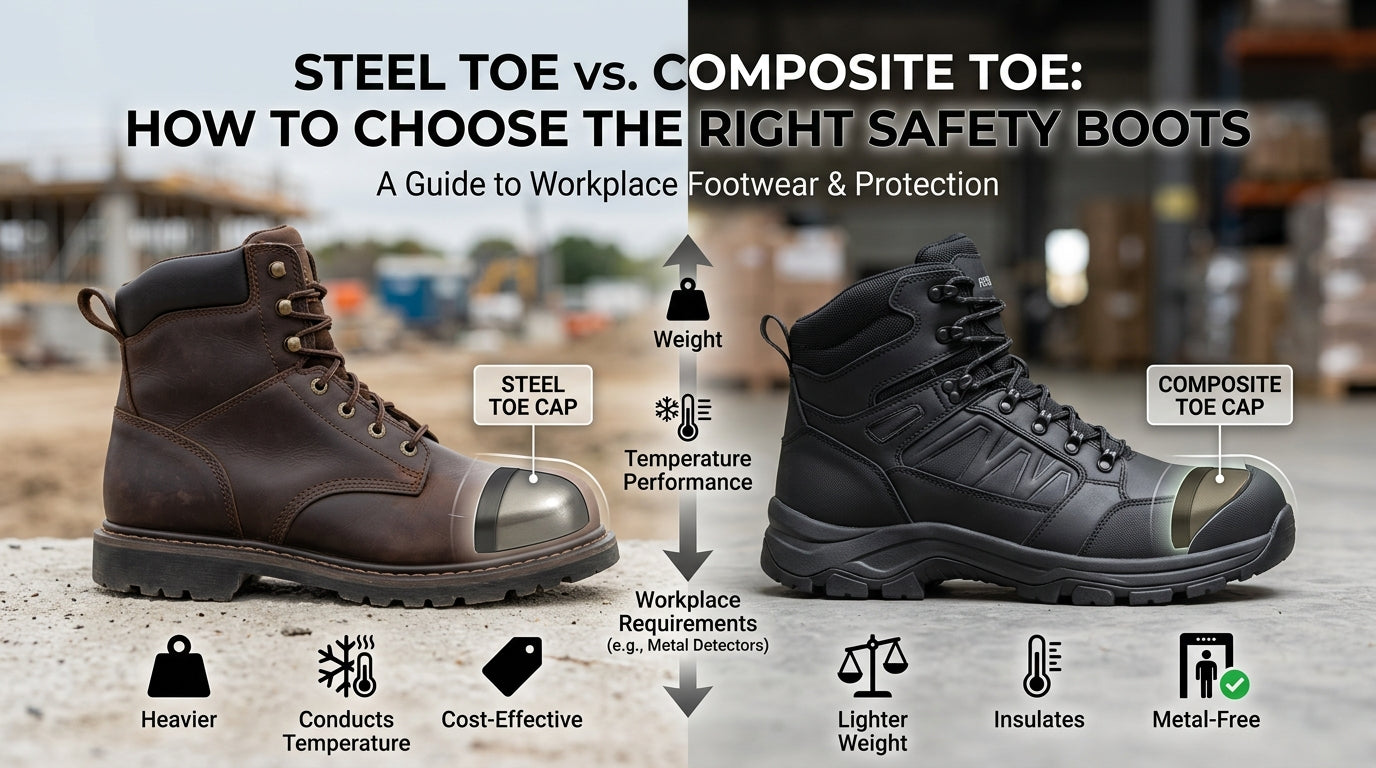
Steel conducts heat, warming your foot and increasing sweat. Composite toes are non-conductive and help keep feet cooler.
If your job allows, go composite to reduce sweat-related odor.
Look for Breathable Waterproofing
Waterproof boots often trap sweat. Choose models with Gore-Tex or similar breathable membranes that let vapor escape.
Avoid: Fully sealed rubber boots unless required. Ventilation is key.
Invest in Odor-Control Technology
Some boots and socks come with built-in antimicrobial protection.
Polygiene® StayFresh:
– Uses silver salt technology
– Binds to bacterial cells, disrupts DNA, stops replication
– Integrated into fabric and lasts the life of the product
Found in: Socks, boot linings, and insoles from brands like Timberland, Darn Tough, and Smartwool.
Skin-safe and permanent, with no reapplication needed.
Use Deodorizing Balls for Long-Term Freshness

Self-contained deodorizing balls (e.g., Sufuny Shoe Deodorizer) release scent gradually and are reusable.
How to use:
1. Twist to activate.
2. Place inside boots overnight.
3. Twist to close when not in use.
Best for: Closets, storage, or between wears. Doesn’t kill bacteria but maintains a fresh scent.
Follow a Boot Care Schedule

Stick to this routine to keep boots consistently fresh.
| Frequency | Action | Purpose |
|---|---|---|
| Daily | Air out boots, change socks | Prevent moisture buildup |
| Daily | Wash and dry feet | Reduce bacteria source |
| Weekly | Use baking soda or charcoal | Absorb odors and moisture |
| Monthly | Clean interior with vinegar | Kill bacteria, reset pH |
| As Needed | Wash or replace insoles | Remove odor traps |
| As Needed | Use boot dryer | Speed up drying in wet conditions |
Troubleshoot Tough Odor Cases
Leather Boots
Do: Use vinegar sprays, baking soda socks, and cedar trees.
Don’t: Machine wash or soak. Use a damp cloth only.
After cleaning: Condition leather to prevent drying and cracking.
Waterproof Boots
Prone to internal moisture buildup.
Fix: Use a boot dryer daily, wear moisture-wicking socks, and avoid over-lubricating with waxes that seal in sweat.
Steel Toe Boots
Steel heats up, increasing sweat.
Solutions:
– Use composite toe if allowed
– Wear silver-ion socks
– Apply foot powder liberally
– Freeze cautiously, as metal may slow freezing
Mildew or Musty Smell
Indicates fungal growth.
Steps:
1. Dry boots thoroughly with a dryer.
2. Spray interior with hospital-grade disinfectant.
3. Replace insoles if smell persists.
4. Store in a dry, ventilated area.
Persistent Odor After All Treatments
If nothing works, bacteria may be embedded in foam or lining.
Last resort:
– Replace insoles
– Use enzymatic cleaner to break down organic matter
– Consider new boots with integrated odor control (e.g., Polygiene®)
Frequently Asked Questions About Boot Stink
What causes boot odor in the first place?
Bacteria feed on sweat and dead skin inside your boots, producing volatile organic compounds (VOCs) like isovaleric acid and sulfur compounds. These VOCs create the cheesy, sour, or rotten-egg smells associated with stinky footwear.
Does baking soda actually remove boot odor?
Yes. Baking soda neutralizes acidic odor compounds and absorbs moisture, which starves bacteria. Sprinkle it in boots overnight or fill a sock with it for a mess-free application.
Can I put my boots in the washing machine?
Only if the manufacturer explicitly states they are machine washable. Otherwise, hand wash to avoid damaging adhesives, leather, or waterproof membranes.
How often should I clean my boots to prevent odor?
Air them out daily, use baking soda or charcoal weekly, and deep clean with a vinegar solution monthly. Replace insoles every 6–12 months or when they start smelling.
Why do my boots still smell after cleaning?
Bacteria may be embedded in the boot’s foam or lining. Try replacing insoles, using an enzymatic cleaner, or upgrading to boots with built-in antimicrobial technology like Polygiene® StayFresh.
Are moisture-wicking socks worth it?
Absolutely. Cotton traps sweat, while merino wool and synthetic blends pull moisture away from skin, keeping feet drier and reducing bacterial growth.
Key Takeaways for Eliminating Boot Stink
Boot odor is fixable and preventable once you understand that bacteria, not sweat, are the real culprit. Start with immediate fixes like baking soda, vinegar sprays, or activated charcoal to neutralize existing smells. Then build daily habits: wash your feet, wear moisture-wicking socks, rotate your boots, and let them dry completely between wears.
For long-term freshness, upgrade to antimicrobial insoles, cedar shoe trees, or boots with integrated Polygiene® technology. A consistent care routine, even just 10 minutes a week, will keep your boots odor-free and extend their lifespan. Start tonight with baking soda, and your nose will thank you tomorrow.