How to Remove Mildew Smell from Hiking Boots
You’ve just returned from an epic trail adventure—mud-caked boots, tired legs, and a well-earned sense of accomplishment. But when you peel off your socks, a sour, musty stench rises from your hiking boots that makes you recoil. That’s not just sweat—it’s mildew, thriving in the dark, damp interior of your favorite footwear. The good news? You can eliminate this stubborn odor and restore your boots to fresh, wearable condition. This guide shows you exactly how to get mildew smell out of hiking boots using safe, effective, and proven methods. Whether your boots are made of leather, Gore-Tex, or synthetic fabric, these steps will kill odor-causing microbes, remove organic buildup, and prevent future stink—without damaging your gear.
Dry Your Boots Completely Before Cleaning
Before any cleaning begins, dry your boots thoroughly. Mildew thrives in moisture, so treating damp boots traps water inside and worsens the problem.
Air Dry in a Well-Ventilated Area
Place your boots upright in a room with open windows or near a fan. Avoid storing them in closets, car trunks, or shoe racks with poor airflow. Circulating air pulls moisture out naturally and prevents new mold growth.
Use a Boot Dryer or Fan
Insertable boot dryers like Peet or Dryer Bear gently warm the interior without overheating glue or membranes. If you don’t have one, point a household fan at the boots for 12–24 hours. This speeds up drying without risking heat damage.
Stuff with Newspaper to Absorb Moisture
Crumple dry newspaper and pack it tightly into each boot. Paper pulls moisture from fabric linings and helps maintain shape. Replace every 8–12 hours until the paper comes out dry—usually within 24 hours.
Add Silica Gel or Moisture Absorbers
Drop in silica gel packets (like those found in shoeboxes) or reusable desiccants. For heavy moisture, use silica crystal cat litter inside clean socks and insert them into the boots. Leave for 24–72 hours for maximum absorption.
Critical Warning: Never use radiators, hair dryers, or direct sunlight for more than a few hours. Excessive heat degrades adhesives, warps soles, and can destroy waterproof membranes like Gore-Tex.
Deep Clean Interior and Exterior Surfaces

Once fully dry, it’s time to remove grime, sweat residue, and microbial colonies.
Remove Insoles and Laces for Separate Treatment
Most hiking boots have removable insoles—take them out. Unlace the tongue to access hidden areas. These parts trap sweat and dead skin, making them prime breeding zones for odor.
Wash Insoles and Laces with Mild Soap
Soak insoles and laces in warm water with a drop of Dawn dish soap. Gently scrub with a soft brush, then rinse thoroughly. Air dry completely—no machine drying, which can warp foam or shrink fabric.
For tough mold stains: Soak in Oxi-Clean solution for 1 hour. This non-chlorine oxygen bleach breaks down organic matter safely and won’t harm most materials.
Scrub the Boot Interior
Use an old toothbrush to scrub high-sweat zones like the heel and toe box. Wipe down with a cloth dampened with 70% isopropyl alcohol or an antifungal spray like Scholl. Don’t soak the lining—just dampen the cloth to avoid re-wetting.
Clean the Exterior with Gentle Soap
Rinse off mud with a hose, then scrub with a soft brush and Dr. Bronner’s Pure-Castile soap. It’s biodegradable, pH-balanced, and safe for technical fabrics. Rinse well and let dry again before moving to disinfection.
Avoid bleach or harsh detergents unless your boot manufacturer specifically allows them. They can strip waterproof coatings and weaken stitching.
Kill Mildew and Bacteria with Proven Disinfectants
Cleaning removes dirt—but only disinfection kills the microbes causing the smell.
Use White Vinegar to Destroy Mold Spores
Mix equal parts white vinegar and water. Spray or wipe inside the boots, let sit 5–10 minutes, then air dry. The acetic acid in vinegar kills bacteria and neutralizes alkaline odors.
For severe mildew: Pour undiluted white wine vinegar inside and let it soak for 3–6 hours. This penetrates deep into padding and kills stubborn spores.
Note: Apple cider vinegar is less effective—white vinegar has higher acetic acid concentration.
Apply Baking Soda or Baking Powder to Neutralize Odors
Sprinkle 1–2 tablespoons of baking soda inside each boot. Shake to distribute and leave for 8–24 hours, or up to a week for chronic odor. Baking soda neutralizes smells and absorbs residual moisture.
Baking powder contains acid salts that may enhance moisture absorption in humid conditions. Some users swear by using half a kilo per boot for extreme cases—messy, but effective.
Try Enzymatic Cleaners for Lasting Results
Use ReviveX Odor Remover, Mirazyme, or Defunkify (REI’s brand). These enzymatic formulas break down sweat proteins and fats—the root cause of odor.
Pro tip: Soak the entire boot instead of just spraying. Enzymes need full contact and time (6–12 hours) to work effectively.
Alternative: Nature’s Miracle (pet stain remover) works surprisingly well on gear—safe for shells and linings, though slightly fragranced.
Advanced Treatments for Stubborn, Lingering Smell

When standard methods fail, escalate with deep-killing techniques.
Freeze the Boots to Kill Microbes
Seal boots in plastic bags to prevent condensation. Freeze for 24–72 hours. Cold disrupts microbial cells and halts mold reproduction.
Safe for: Suede, synthetics, and composite materials.
Not a standalone fix: Always combine with cleaning and drying.
Expose to Sunlight for Natural Disinfection
After treatment, place boots in direct sunlight for 4–6 hours. UV rays kill remaining bacteria and accelerate drying.
Caution: Prolonged sun exposure can fade colors and weaken adhesives—don’t exceed 6 hours.
Spot-Treat with Rubbing Alcohol
Wipe interior with 70% isopropyl alcohol on a cloth. It disinfects quickly and evaporates without leaving moisture behind.
Best for: Quick fixes or spot treatment. Less residual effect than vinegar or enzymes.
Use Oxi-Clean Instead of Bleach
For mold-heavy linings, soak in Oxi-Clean solution. It’s a non-chlorine oxygen bleach—safer for fabrics and membranes.
Avoid chlorine bleach: Can corrode fibers, fade colors, and weaken stitching. If used, dilute (½ cup per gallon) and rinse immediately.
Try Tub and Tile Cleaner for Visible Mold
For black or green mold spots, apply Lysol or Tilex with a cloth. Let sit 5–10 minutes, then wipe and rinse. These cleaners have strong antifungal properties.
Warning: Never mix with ammonia—creates toxic fumes.
Prevent Odor from Coming Back
Once your boots are fresh, maintain them with smart habits.
Wear Merino Wool or Bison Fiber Socks
Cotton and synthetics trap sweat. Merino wool wicks moisture and resists bacteria. Bison fiber socks offer even better natural antimicrobial protection.
Real-world result: Users report zero stink after 30 days of continuous wear with bison socks.
Use Odor-Absorbing Inserts Between Uses
- Cedar shoe bags: Natural antifungal and moisture-wicking.
- Activated charcoal bags: Trap VOCs and humidity—reusable and chemical-free.
- Zinc oxide powder: Lightly sprinkle in socks for long-term antimicrobial protection.
Dry Boots Immediately After Every Hike
Never store damp boots. Stuff with newspaper or silica gel right after use. Let dry 24–48 hours in a ventilated space.
Store Properly in a Cool, Dry Place
Keep boots in a breathable area—not in plastic bins or basements. Store with insoles removed and cedar bags inside.
Pro move: Some store rarely used boots in the freezer to inhibit microbial growth.
What NOT to Do
Avoid these common mistakes that damage boots or make odor worse.
No Machine Washing or Drying
Unless your boot maker says it’s safe, do not machine wash or dry. Heat destroys adhesives and waterproof layers.
Avoid Steam Cleaning
Adds moisture and heat—perfect conditions for mold regrowth.
Never Use Undiluted Bleach
Corrodes materials, weakens stitching, and may ruin waterproofing.
Don’t Rely on Fabric Fresheners
Febreze or Fabreze mask odors but don’t kill bacteria. They’re for maintenance, not treatment.
Skip Prolonged Direct Heat
Hair dryers, radiators, and car dashboards warp soles and melt glue over time.
Real-World Fix: On Cloud Rock Boots Case
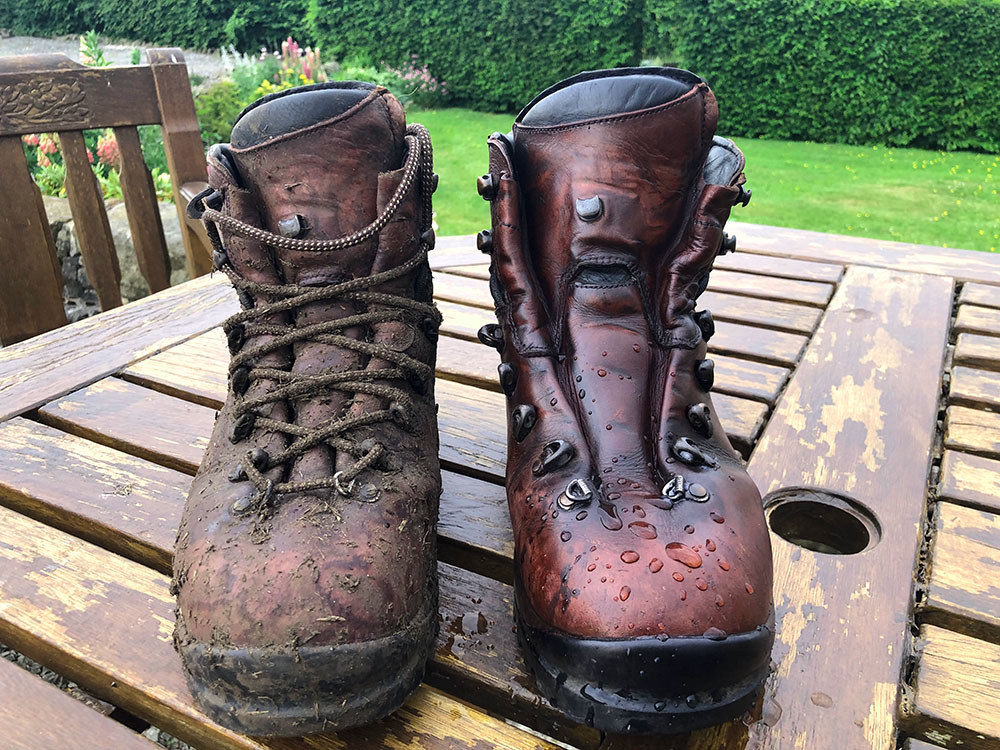
A hiker’s On Cloud Rock waterproof boots developed severe mildew after a month-long wet trek in Alaska. The successful fix:
- Dried with dehumidifier and airflow for 48 hours.
- Applied baking powder overnight.
- Scrubbed interior with Dr. Bronner’s soap.
- Soaked in white wine vinegar for 3 hours.
- Dried in sunlight and warm air for 2 days.
- Stored with cedar shoe bags.
Result: No odor return after six months of regular, wet-weather use.
Best Step-by-Step Protocol for Complete Odor Removal
For total elimination of mildew smell, follow this sequence:
- Dry completely – Use fans, newspaper, or silica gel.
- Remove insoles and laces – Wash with mild soap or Oxi-Clean.
- Scrub interior – Use soft brush and Dr. Bronner’s soap.
- Disinfect with vinegar – Equal parts vinegar/water or undiluted white wine vinegar soak.
- Neutralize with baking soda – Leave overnight or longer.
- Freeze boots – 24–72 hours in sealed bags to kill spores.
- Dry in sunlight – 4–6 hours UV exposure for final disinfection.
- Store with cedar or charcoal – Prevent regrowth.
For extreme cases: Soak entire boots in ReviveX or Mirazyme—fully saturate, don’t just spray.
Final Tips for Long-Term Success
- Prevent 90% of odor with immediate drying and merino wool socks.
- Combine methods—no single fix works alone.
- Be patient: Deep odor may need multiple rounds or week-long treatments.
- Test first: Try new cleaners on a small area to check for discoloration or damage.
By following this guide, you’ll eliminate mildew smell from hiking boots—fast, safely, and for good. Don’t let stinky gear ruin your next adventure. Treat it right, and your boots will carry you farther, fresher, and with confidence.