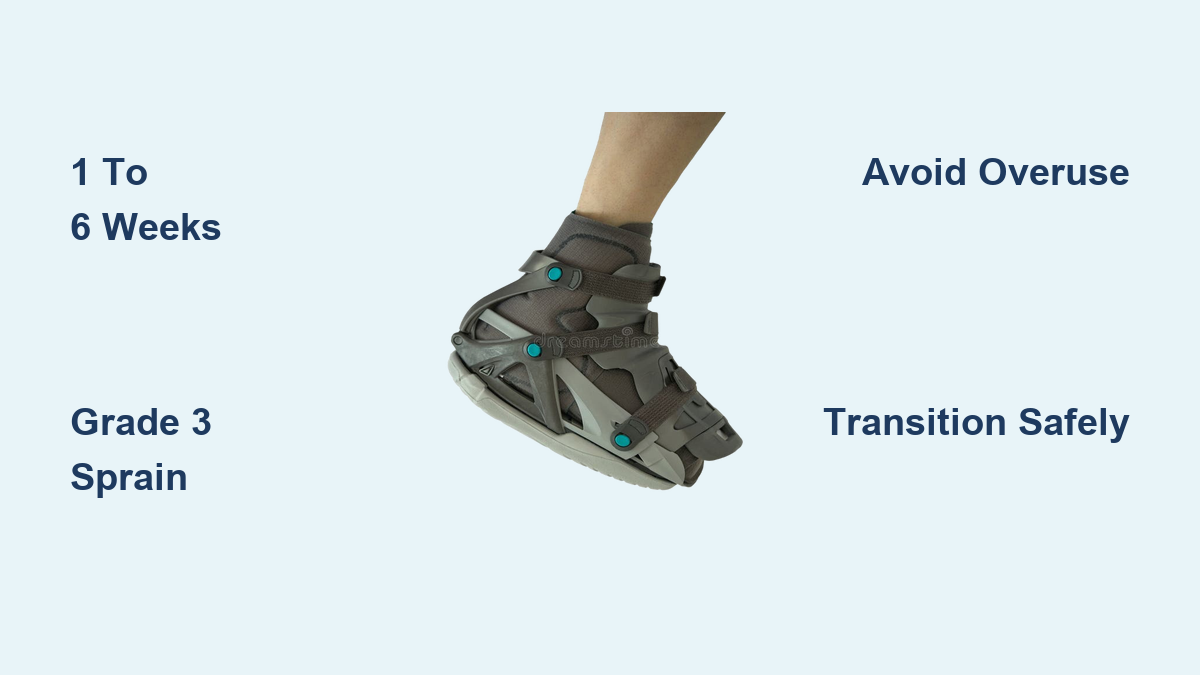
How Long to Wear a Walking Boot for Sprained Ankle
You’ve rolled your ankle, the pain is sharp, and swelling is setting in. Your doctor recommends a walking boot, and now you’re wondering how long you’ll actually need to wear it. For a sprained ankle, walking boot duration typically ranges from 1 to 6 weeks, depending on injury severity, healing progress, and medical guidance.
While some patients only need short-term protection, others, especially those with severe (Grade 3) sprains or fractures, require longer immobilization. Wearing a boot when unnecessary or for too long can do more harm than good. This guide breaks down the exact timelines, recovery phases, risks of overuse, and how to transition safely back to normal movement so you can heal effectively.
When a Walking Boot Is Actually Needed
Not every sprained ankle requires a boot. The decision hinges on stability, pain level, and tissue damage. Understanding when a boot is truly necessary helps prevent delayed recovery.
Severe Sprains and Fractures Demand Immobilization
If you’ve suffered a Grade 3 sprain (a complete tear of one or more ankle ligaments), the joint becomes unstable. A walking boot provides essential support during early healing. If imaging reveals a fracture in the ankle, foot, or lower leg, immobilization is mandatory. Post-surgery patients, such as those recovering from ligament reconstruction, also rely on boots during initial recovery phases.
Avoid Boots for Mild to Moderate Sprains
For Grade 1 or 2 sprains, where ligaments are stretched or partially torn, research shows that early movement beats prolonged immobilization. Wearing a boot in these cases can lead to muscle atrophy, joint stiffness, and reduced proprioception (your body’s sense of joint position). These side effects increase re-injury risk. Most mild sprains benefit instead from bracing, taping, and guided mobility exercises within days of injury.
Typical Boot Wear Timeframes by Injury Type
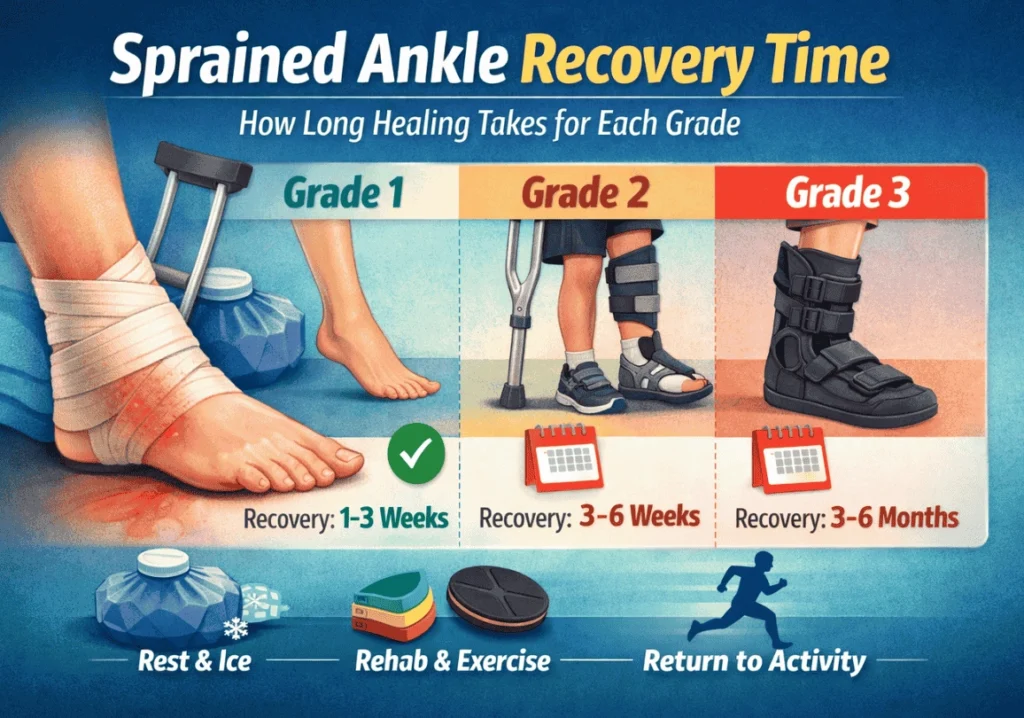
Your boot timeline depends heavily on injury type and healing response. Here’s what to expect based on clinical guidelines.
1 to 2 Weeks for Moderate Injuries
Most patients with moderate sprains or post-injury stabilization wear a boot for 1 to 2 weeks. This period allows the most painful inflammation to subside while protecting the joint during early weight-bearing. After this phase, many transition directly to a supportive brace or begin physical therapy.
Up to 6 Weeks for Severe Sprains or Surgical Cases
In cases of complete ligament rupture, associated tendon damage, or surgery, boot use may extend to 4 to 6 weeks. The timeline follows strict medical protocols, often starting with non-weight bearing, then progressing to partial and full weight-bearing, all while in the boot. Your doctor will adjust the plan based on follow-up exams and symptom improvement.
Healing Continues After Boot Removal
Even after the boot comes off, full recovery takes time. Ligaments heal over 10 to 12 weeks, meaning strength, balance, and range of motion must be rebuilt gradually. Don’t mistake boot removal as full recovery; it’s just the start of functional rehabilitation.
Phases of Recovery While Wearing a Walking Boot
Healing follows a structured progression. Each phase dictates whether you should be in the boot, how much weight to bear, and what exercises to perform.
Phase 1: Non-Weight Bearing (Days 1–7)
Goal: Protect the injury and minimize swelling.
During the first few days, especially with severe sprains, you may be instructed to avoid putting any weight on the injured leg. The boot stabilizes the joint while inflammation peaks.
- Use crutches or a knee scooter for mobility.
- Perform isometric exercises (tightening calf and shin muscles without moving the ankle) to maintain muscle tone.
- Wiggle your toes frequently to improve circulation.
- Elevate the leg above heart level for 20–30 minutes every 1–2 hours.
Warning: Prolonged non-weight bearing leads to rapid muscle loss. Follow your provider’s timeline closely.
Phase 2: Weight Bearing With the Boot (Weeks 1–4)
Goal: Restore balance and begin rebuilding strength.
Once pain and swelling decrease, your doctor may clear you for protected weight-bearing, meaning walking with the boot and possibly crutches.
- Start with short walks around the house.
- Focus on even weight distribution and stable gait.
- Continue upper leg strengthening (e.g., glute bridges, seated leg presses).
- Begin ankle range-of-motion drills like the alphabet exercise (drawing A–Z with your toes) if allowed.
If pain increases, return to non-weight bearing and consult your provider.
Phase 3: Transitioning Out of the Boot (Weeks 2–6+)
Goal: Normalize walking and rebuild functional strength.
When your ankle feels stable and pain-free during movement, it’s time to phase out the boot.
- Start walking short distances without the boot, using a lace-up ankle brace for support.
- Work on balance by standing on one leg for 30 seconds.
- Introduce heel raises, ankle circles, and resistance band exercises.
- Under physical therapy guidance, progress to dynamic moves like mini-squats or step-ups.
Pro Tip: Sudden removal of the boot can overwhelm the joint. Wear it for longer outings initially and phase it out over 5–7 days.
Risks of Wearing the Boot Too Long
While the boot protects early in recovery, staying in it too long sabotages healing.
Muscle Atrophy and Joint Stiffness
Immobilizing the ankle halts muscle activation. Within days, the calf, shin, and stabilizing muscles weaken, making the ankle vulnerable once the boot comes off. Joint stiffness also develops, limiting dorsiflexion (toe-to-shin motion), which is critical for walking and running.
Poor Proprioception and Re-Injury Risk
Your ankle relies on sensory feedback to adjust on uneven surfaces. A boot dulls this input, leading to decreased proprioception. Without retraining, you’re more likely to re-sprain the ankle during simple activities like stepping off a curb.
False Sense of Security
The rigid support of a boot can make your ankle feel stable even when the muscles aren’t doing the work. This creates dependency, delaying the activation of natural stabilizers and increasing long-term instability.
Proper Boot Care and Skin Safety
Even with correct usage, poor boot hygiene can lead to complications.
Keep the Boot Dry
Moisture breeds bacteria and fungus. If you must shower with the boot on:
- Seal it in a plastic trash bag taped securely above the knee.
- Use a waterproof boot cover if available.
- If the boot gets damp, dry it with a hair dryer on cool air only. Never apply heat.
Check Skin Daily
Inspect skin around the boot edges every day. Look for:
- Redness or pressure sores
- Open wounds or blisters
- Drainage or foul odor (signs of infection)
Pad irritated areas with moleskin or athletic tape to prevent friction burns.
Never Scratch Inside the Boot
Itching is common, but never insert objects like pencils or rulers. This can break the skin and cause infection. Instead:
- Blow cool air into the boot with a fan or hair dryer.
- Tap the outside gently to relieve itch.
Avoid lotions, oils, or powders near the boot, as they trap moisture and degrade materials.
Managing Swelling and Pain During Boot Use
Controlling inflammation supports faster healing and smoother progression out of the boot.
Use the RICE Protocol
- Rest: Limit walking and avoid activities that increase pain.
- Ice: Apply cold packs for 10–20 minutes every 1–2 hours during the first 3 days. Always use a cloth barrier.
- Compression: Wear a compression sleeve under or instead of the boot if swelling persists.
- Elevation: Keep the ankle above heart level whenever sitting or lying down.
Medication Options
Over-the-counter pain relievers like ibuprofen or acetaminophen can help manage discomfort and reduce inflammation. Topical gels or patches (e.g., lidocaine, diclofenac) are also effective for localized relief, especially if you can’t remove the boot.
Exercises to Maintain Strength in a Walking Boot

Staying active, even in a boot, prevents deconditioning and speeds recovery.
Early Motion Without Weight
While non-weight bearing, perform these daily:
- Alphabet exercise: Spell A–Z with your toes.
- Compass points: Move ankle up/down (North/South) and in/out (East/West) within pain-free range.
- Isometrics: Press foot gently into the boot in all directions (flex, point, invert, evert) without moving the joint.
Strengthen Proximal Muscles
Work your hips and thighs to maintain overall leg strength:
- Seated leg extensions
- Glute bridges (lying on back, lift hips)
- Heel slides (if allowed)
These reduce muscle loss and make walking easier once you transition out of the boot.
Warning Signs That Need Medical Attention
Some symptoms mean something’s wrong. Don’t ignore them.
Seek Immediate Care If You Experience:
- Severe or worsening pain after initial improvement
- Numbness or tingling in toes that doesn’t resolve with strap adjustment
- Burning or stinging under the boot
- Fever, drainage, or foul smell (signs of infection)
- Calf pain, redness, or swelling (possible deep vein thrombosis)
- No improvement after 1 week of home care
These could indicate nerve compression, infection, blood clots, or an undiagnosed fracture.
Long-Term Recovery After the Walking Boot Comes Off

Removing the boot isn’t the finish line. It’s the start of rebuilding.
Full Healing Takes 10–12 Weeks
Even if you feel fine, ligaments take up to 3 months to regain full strength. Rushing back to sports or heavy activity increases re-injury risk.
Physical Therapy Is Key
A physical therapist tailors exercises to your injury and goals. They’ll help you:
- Restore full ankle range of motion
- Rebuild strength and balance
- Improve gait mechanics
- Prepare for sport-specific movements (cutting, jumping, sprinting)
Prevent Future Injuries
After recovery:
- Wear ankle braces during high-risk activities (basketball, trail running).
- Continue balance and strength exercises 2–3 times per week.
- Warm up properly before exercise.
- Replace worn-out shoes to maintain support.
Choosing the Right Boot Type for Your Sprain
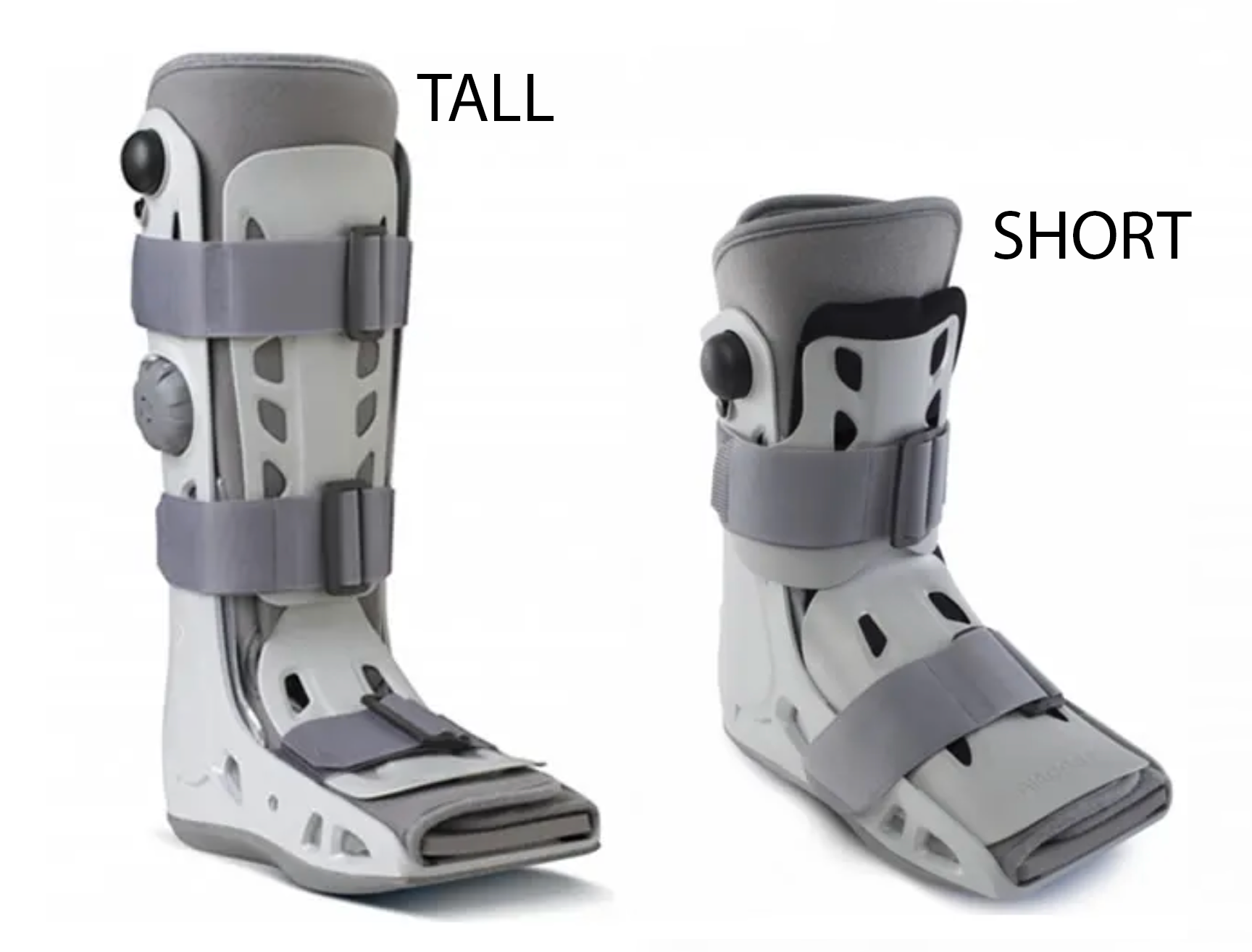
Not all boots are the same. Your injury determines the best fit.
Standard Adjustable Boots
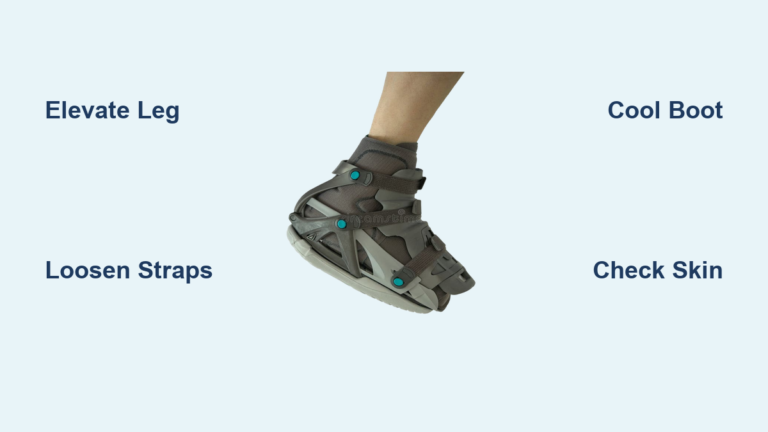
Most common. Held with straps, removable, used for sprains and minor fractures.
CAM Boots (Controlled Ankle Movement)
Feature dials or settings that limit ankle motion. Used post-surgery or for strict immobilization. Do not adjust settings yourself.
Air Cushion Boots
Have inflatable liners to control swelling and provide custom fit. Often prescribed for post-op care.
Tall Walking Boots
Extend higher up the calf for greater stability. Typically used for 1–2 weeks in severe sprains.
Frequently Asked Questions About Walking Boot Duration for Sprained Ankles
How long do you wear a walking boot for a Grade 2 ankle sprain?
Most Grade 2 sprains require 1 to 2 weeks in a walking boot, followed by a transition to a brace or physical therapy. Prolonged use is generally discouraged to prevent muscle atrophy.
Can I walk normally in a walking boot?
Yes, most walking boots are designed for protected weight-bearing. You’ll likely use crutches initially and progress to walking with just the boot as pain decreases.
Is it OK to take the boot off to sleep?
Only if your doctor specifically approves it. Many providers recommend keeping the boot on at night to prevent accidental twisting or rolling during sleep.
What happens if I wear a walking boot too long?
Extended use can cause muscle atrophy, joint stiffness, decreased proprioception, and chronic instability, all of which increase your risk of re-injury.
When should I worry about swelling while wearing a boot?
Some swelling is normal, but excessive swelling, calf pain, or redness could indicate a blood clot (DVT) and requires immediate medical attention.
Do I need physical therapy after a walking boot?
Yes. Physical therapy is essential for rebuilding strength, balance, and range of motion. Patients who skip rehab are significantly more likely to suffer repeat sprains.
Key Takeaways for Wearing a Walking Boot With a Sprained Ankle
How long you wear a walking boot for a sprained ankle depends on your injury’s severity, not a fixed calendar. Most people use it for 1 to 2 weeks, while severe cases may need up to 6. The key is following your provider’s plan, avoiding unnecessary immobilization, and transitioning to movement as soon as safe. Early, guided exercise beats prolonged boot use every time.
Listen to your body, watch for warning signs, and prioritize long-term strength over short-term comfort. Your next step: schedule a follow-up with your provider to confirm your specific timeline and discuss when to begin rehabilitation exercises.