How to Clean Hoka Hiking Boots
You’ve just crushed a long trail, and your Hoka hiking boots are caked in mud, stained from river crossings, and starting to smell. It’s tempting to stash them in the corner—until your next hike. But skipping cleaning harms performance. Trapped dirt wears down cushioning, clogged treads reduce grip, and moisture breeds odor and mold. The good news? Cleaning your Hoka hiking boots doesn’t require magic—just the right method.
This guide delivers a step-by-step, model-specific cleaning process that protects your boots’ EVA foam, glue bonds, and breathable uppers. Whether you own the lightweight Anacapa, rugged Kaha, or hybrid Challenger, you’ll learn how to deep-clean every component—without warping, shrinking, or delaminating. We’ll cover hand washing, safe drying, odor elimination, and what not to do (yes, that means no dryer). Let’s restore your boots to trail-ready condition.
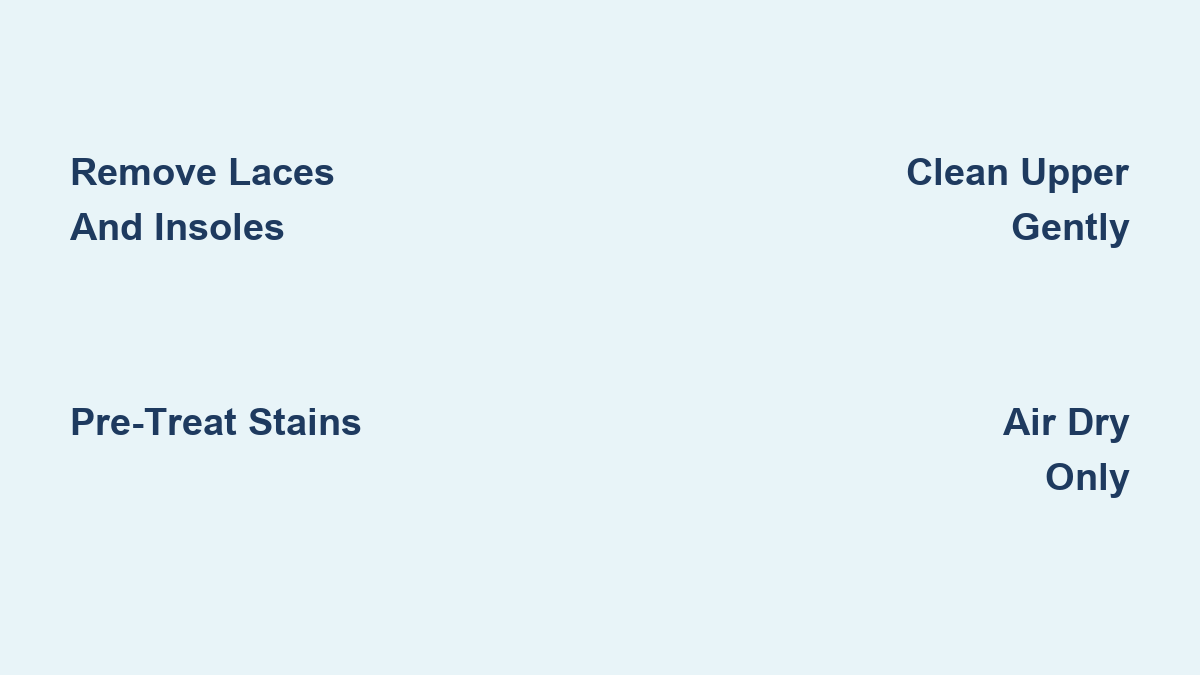
Remove Laces and Insoles Before Cleaning
Start by disassembling your boots. This simple step ensures you clean every surface—especially the hidden zones where sweat, dirt, and bacteria thrive.
Pull out the laces and removable insoles. Soak laces in warm, soapy water for at least 20 minutes. For white laces with set-in grime, add a teaspoon of baking soda or oxygen-based cleaner. Scrub gently with a soft cloth, rinse, and air dry.
For insoles, use mild detergent and a microfiber cloth. Never twist or wring—they’ll lose shape and support. Press out moisture and let them dry fully, ideally for 24 hours.
Pro Tip: Replace insoles every 3–6 months. Worn inserts lose cushioning and become odor traps.
Leaving these inside during cleaning traps moisture and reduces effectiveness. Plus, clean laces and fresh insoles instantly upgrade comfort.
Pre-Treat Stains to Prevent Set-In Grime
Don’t wait—tackle stains right after your hike. Fresh mud hardens into a crust that’s tough to remove. For dried or stubborn marks, use a color-safe stain remover like Shout or Tide-to-Go.
Apply directly to stained areas, especially on light-colored mesh panels. Let it sit for 15–30 minutes to break down oils and dirt. Avoid bleach—it weakens fibers and fades colors.
User Hack: One hiker sprayed Shout on grout-like stains, scrubbed with a Tide-washed cloth, and saw full removal after rinsing.
This pre-treatment makes the main cleaning faster and more effective, especially on delicate uppers.
Clean the Upper Based on Material Type
:max_bytes(150000):strip_icc()/SPR-how-to-clean-hoka-shoes-7964265-step-01-d10137db86964be9a96dc762bf531fee.jpg)
Hoka hiking boots use different upper materials—each requiring a tailored cleaning approach. Scrubbing too hard can fray mesh, while under-cleaning leaves bacteria behind.
Mesh Uppers (Anacapa, Challenger, Clifton-Based Hikers)
Mesh is breathable but fragile. Always use gentle tools:
- Mix 1 tbsp mild dish soap (like Dawn) with 1 cup lukewarm water.
- Dip a microfiber cloth or sponge—never a stiff brush—into the solution.
- Wipe in small circles; avoid scrubbing.
- For deep cleaning, use SneakERASERS SOAK (soak 2 hours to overnight).
Expert Note: Traditional sponges can fray mesh. SOAK solutions penetrate without abrasion.
Never soak mesh for more than 30 minutes—prolonged water exposure risks glue failure.
Synthetic Uppers (Kaha, Bondi-Inspired, Speedgoat-Style Hikers)
These tougher uppers handle more pressure. Use:
- Soft-bristled brush or white side of SneakERASERS.
- Apply foaming hand soap for greasy marks.
- Flip to orange side for scuffs or dried mud.
These materials resist water better, so light rinsing is safe—but always air dry afterward.
Scrub the Midsole and Outsole to Restore Performance
The midsole and outsole take the most abuse. Ignoring them leads to slipping, reduced cushioning, and discoloration.
Fix a Discolored Midsole
EVA foam yellows and stains easily. To clean:
- Use a soft-bristled toothbrush with soapy water.
- Focus on grooves near heel and toe—common dirt traps.
- Try SneakERASERS white side for quick touch-ups.
Avoid soaking—waterlogged foam takes days to dry and may not rebound.
Warning: Heat from dryers or sun warps EVA foam. Always air dry.
Clear Outsole Tread for Better Grip
Clogged treads mean less traction. To restore grip:
- Knock out loose pebbles first.
- Scrub with Dawn dish soap, cold water, and an old toothbrush.
- Rinse thoroughly.
User Tip: “Sponge, Dawn, cold water—simple and effective,” says one trail tester.
Clean treads also prevent tracking mud indoors and improve drainage.
Hand Wash vs Machine Wash: What’s Safe?

Hoka advises against machine washing, but some users report success—with strict limits.
Stick to Hand Washing (Recommended)
- Fill a basin with cold or lukewarm water and mild soap.
- Clean each section individually.
- Rinse with a damp cloth.
- Blot excess moisture with a towel.
This method gives full control and minimizes damage risk.
Machine Wash Only If Absolutely Necessary
If boots are extremely dirty:
- Place in mesh laundry bags to reduce tumbling.
- Use gentle or wool cycle, max 30°C (86°F).
- Select low spin (≤900 RPM).
- Add white vinegar in softener compartment to deodorize.
- Never use bleach or fabric softener.
Warning: Frequent machine washing weakens glue and shortens boot life.
After washing, run only the spin cycle to extract water—never apply heat.
Dry Boots the Right Way to Avoid Damage
Improper drying ruins more boots than dirt. Heat from dryers, radiators, or sun warps foam, cracks rubber, and shrinks fabric.
Air Dry Only
- Stuff with paper towels or newspaper—absorbs moisture and holds shape.
- Place in a well-ventilated area, away from sunlight.
- Use a fan to speed airflow (don’t point directly at boots).
- Allow 12–24 hours to dry completely; longer in humid climates.
- Rotate boots halfway through for even drying.
User Mistake: One hiker dried boots on a radiator—result? Shrunken uppers and deformed midsoles.
Never wear damp boots—they cause blisters and accelerate material breakdown.
Eliminate Odors Naturally and Prevent Future Smells
Sweat and bacteria cause lingering odors. Clean boots can still stink if interiors aren’t treated.
Quick Odor Fixes
- Baking soda: Sprinkle 2 tbsp inside each boot; leave overnight; shake out in the morning.
- White vinegar wipe: Dampen cloth with vinegar, wipe interior, let air out for 1 hour.
- Shoe sprays: Use antimicrobial formulas for athletic footwear.
- Activated charcoal inserts: Reusable, long-term odor control.
Prevent Future Smells
- Air boots after every hike—remove insoles and leave open.
- Wear moisture-wicking socks to reduce sweat.
- Rotate between two pairs to allow full drying.
Odor prevention starts with airflow and hygiene—not just cleaning.
Avoid These 5 Common Cleaning Mistakes
Even well-intentioned care can damage your boots. Steer clear of these pitfalls.
1. Never Use Heat
- Dryers, heaters, hairdryers, radiators: All risk melting glue and warping foam.
- Direct sunlight: Fades colors and cracks rubber over time.
User Warning: “Put my Hokas in the dryer—they shrank, foam deformed, shape ruined.” —Anonymous
2. Avoid Harsh Chemicals
- Bleach: Breaks down fibers and fades colors.
- Fabric softener: Coats materials, reducing breathability.
- Abrasive brushes on mesh: Causes fraying and holes.
3. Limit Soaking
Long immersion risks delamination and mold growth inside the boot.
Lesson Learned: “Soaked my Bondi 8s too long—they turned purple. Won’t do it again.” —Beans375
Respect the materials, and your boots will last longer.
Tailor Cleaning to Your Hoka Model

Not all Hoka hiking boots are cleaned the same. Match your method to the upper.
Mesh-Heavy Models (Anacapa, Challenger)
- Use SOAK solutions or sponge-only cleaning.
- Avoid brushes and erasers.
- Pre-treat stains early—mesh absorbs quickly.
Durable Synthetic Models (Kaha, Speedgoat-Inspired)
- Can handle light scrubbing and foaming cleaners.
- Respond well to SneakERASERS and stain removers.
- More forgiving if lightly machine washed.
Tailoring care extends wear and keeps performance consistent.
Know When to Replace Your Hoka Hiking Boots
Even perfectly cleaned boots wear out. Watch for these signs:
- Worn tread: Smooth outsole = less grip, higher slip risk.
- Compressed midsole: Press with thumb—if no rebound, cushioning is gone.
- Sole separation or upper tears: Structural failure means safety risk.
- Mileage: 250–500 miles depending on terrain.
For frequent hikers, replacement every 3–6 months is normal.
Expert Insight: “Even with perfect care, Hokas won’t last forever. Replace regularly to maintain support.”
Cleaning helps—but it can’t restore dead cushioning.
Final Tips for Maximum Boot Longevity
Keep your Hoka hiking boots performing at their best:
- Clean after every trail use—dirt builds up fast.
- Invest in cleaning tools: SneakERASERS, microfiber cloths, soft brushes.
- Store properly: Keep in a cool, dry place. Never store damp or in plastic bags.
- Use cedar shoe trees or crumpled paper to maintain shape.
Final Thought: “Your Hokas work hard for you. Return the favor with proper care—and enjoy that satisfying moment when impossible scuff marks disappear in seconds.” —SneakERASERS Guide
With the right routine, your Hoka hiking boots will stay light, supportive, and ready for every adventure.